Sitting all day makes hips tight and stiff. These simple hip mobility exercises for women ease stiffness, improve range, and fit into any workday.
Hip Mobility Exercises for Women Who Sit All Day
If you sit at a desk for most of the day, you probably know the feeling: hips that creak when you stand up, a lower back that complains by mid-afternoon, and a sense that your body has quietly stiffened into the shape of your chair. That stiffness is not a personal failing — it is what hours of hip flexion do. The good news is that hip mobility responds quickly to small, consistent doses of movement, and you do not need an hour, a gym, or any special flexibility to begin.
This guide gives you a practical hip mobility routine for women who sit all day: seven exercises you can do in about ten minutes, guidance on how often to do them, and honest notes on what hip mobility work can and cannot do for you. There are no promises of pain elimination or overnight transformation here — just sensible movements that, done regularly, tend to make sitting and moving through the day feel noticeably easier.
This guide contains affiliate links. If you buy through them, VÉLORA may earn a commission at no extra cost to you.
Why Sitting Makes Hips So Stiff
Your hip flexors — the muscles at the front of the hips — spend all day in a shortened position while you sit. Over time they adapt to that length, while your glutes, which are stretched and inactive in a chair, tend to become weak and "quiet." This combination — tight front, sleepy back — is the classic desk-worker pattern. It can show up as stiffness when you stand, a pelvis that tilts forward, and a lower back that works harder than it should to compensate.
Hip mobility work targets this pattern from both sides: gently lengthening the front of the hips and waking up the glutes and deep hip muscles that stabilize the joint. A little daily work goes a long way — mobility responds better to frequent, easy practice than to one intense weekly stretch session.
What You Need
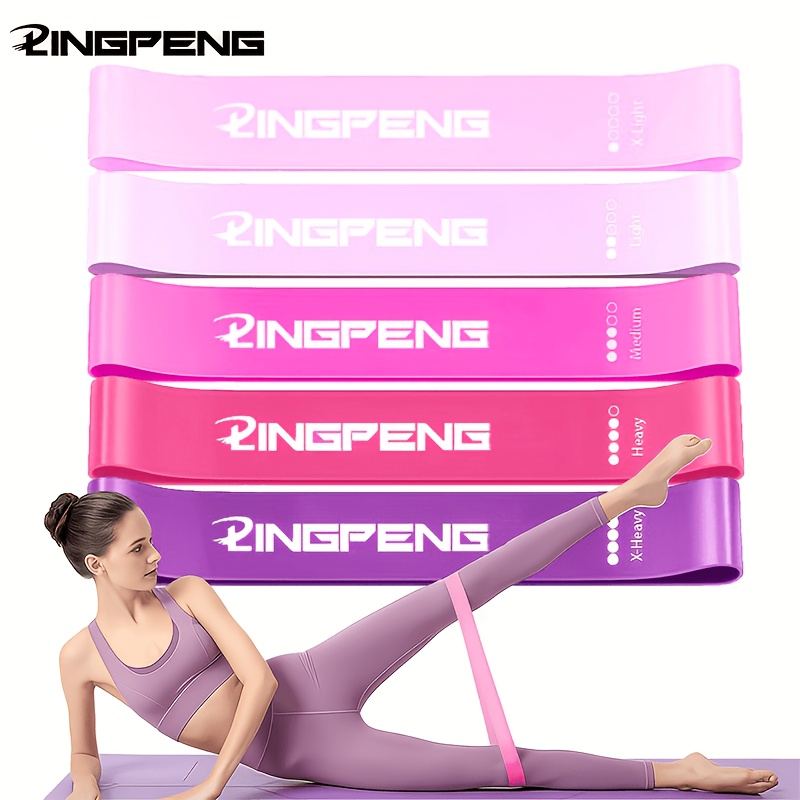
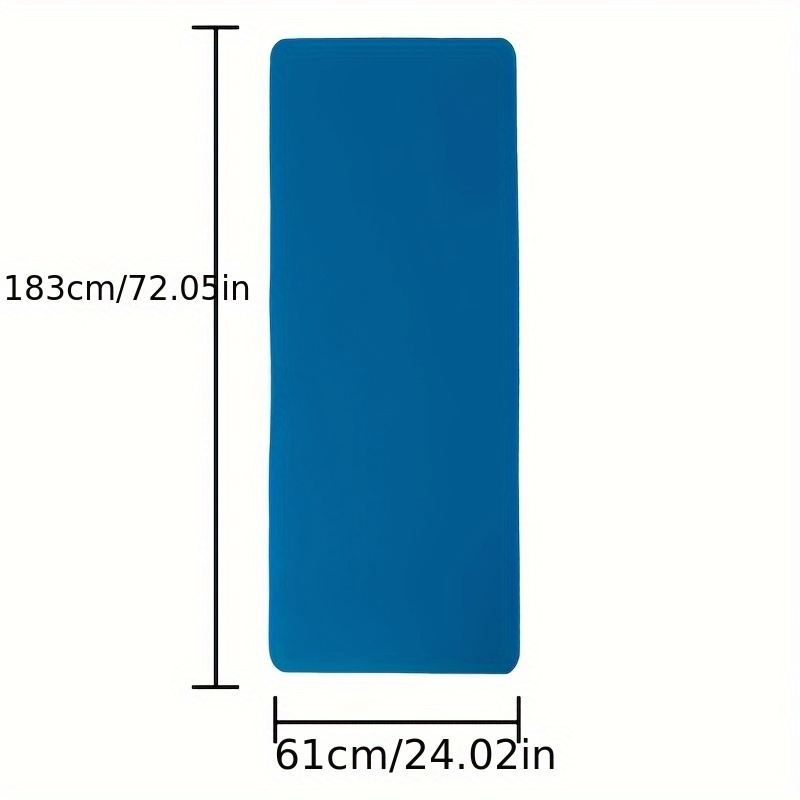
Almost nothing. A soft surface for floor work, comfortable clothes, and optionally a light resistance band to activate the glutes:
The 10-Minute Daily Routine
Do these in order, once a day — during a lunch break, after work, or split between morning and evening. Breathe slowly and steadily throughout: inhale through the nose, exhale through the mouth, and never force a stretch into sharp pain. Hold positions for the given times; movement-based exercises are described with rep ranges.
1. Half-Kneeling Hip Flexor Stretch (lengthens the front of the hip)
Purpose: stretches the hip flexors shortened by sitting. Starting position: kneel on your mat on one knee, the other foot flat in front, torso tall — like a proposal position. Technique: tuck your pelvis slightly under (imagine pulling your belt buckle up) and gently shift your weight forward until you feel a stretch at the front of the kneeling-side hip. Keep your torso upright — do not arch your back to increase the stretch. Breathe deeply. Hold: 30–45 seconds per side, 1–2 rounds. Beginner modification: place a cushion under your knee, and hold a wall or chair for balance.
2. 90/90 Hip Switches (internal and external rotation)
Purpose: improves hip rotation in both directions, which sitting rarely challenges. Starting position: sit on the floor with both knees bent at 90 degrees — one leg in front of you, one to the side, like an open book. Technique: without using your hands, lift your knees and rotate both legs to the other side, so the front leg becomes the side leg. Move slowly and with control. Sets/reps: 6–10 switches per side, moving gently. If you cannot get upright easily, lean back on your hands or sit on a cushion. Common mistake: forcing the range. Work within the range you have; it widens with weeks of practice.
3. Glute Bridge (wakes up the glutes)
Purpose: strengthens the glutes that go quiet during long sitting. Starting position: lie on your back, knees bent, feet flat, arms by your sides. Technique: push through your heels and lift your hips until your body forms a straight line from shoulders to knees. Squeeze your glutes hard for two seconds at the top, then lower slowly. Breathe out as you lift. Sets/reps: 2 sets of 10–15 repetitions. Add a loop band just above your knees and press the knees gently outward for extra glute work. Beginner modification: shorter range of motion — lift only a few inches until the pattern feels familiar.
4. Standing Hip Circles (lubricates the joint)
Purpose: moves the hip joint through its full range in a gentle, standing position. Starting position: stand holding a wall, desk, or chair for balance, feet hip-width apart. Technique: lift one knee to hip height and draw slow, controlled circles in the air with it — five circles one way, five the other — then switch legs. Keep your standing leg soft and your torso still. Sets/reps: 5 circles each direction per leg. This one is easy enough to do at your desk between meetings.
5. Deep Squat Hold (opens hips and ankles)
Purpose: a resting position that gently opens the hips, knees, and ankles together. Starting position: stand with feet slightly wider than hips, toes turned out a little. Technique: lower into a deep squat, letting your hips drop toward your heels. Hold a doorframe or sturdy furniture for balance. Keep your chest lifted. If your heels lift, put a book under them. Hold: 20–40 seconds, 2–3 rounds. If you cannot get low yet, hold a half-squat or sit back onto a low stool — the position still helps.
6. Clamshells (strengthens the outer hip)
Purpose: strengthens the small muscles on the outside of the hip that stabilize your pelvis when you walk. Starting position: lie on your side, knees bent, feet together, head resting on your arm. Technique: keeping your feet touching, open your top knee like a clamshell, then lower slowly. Your hips should not roll backward. Sets/reps: 2 sets of 12–15 per side. Add a loop band above the knees when bodyweight feels easy. Common mistake: opening the knee by rolling the pelvis instead. Smaller range with stable hips beats big range with rolling.
7. Pigeon-Style Hip Stretch (outer hip and glute length)
Purpose: stretches the outer hip and glute area that tightens from sitting. Starting position: from hands and knees, bring one knee forward behind your wrist and slide the other leg back straight behind you. Technique: keep your hips as level as you can and fold gently forward over the front leg until you feel a deep but comfortable stretch in the outer hip. Breathe into it. Hold: 30–60 seconds per side. If this position is uncomfortable, do the same stretch lying on your back with your ankle resting on the opposite knee (figure-four stretch) instead — same muscles, friendlier position.
Mobility vs. Strength: Why You Need Both
| Aspect | What it does | Example | | --- | --- | --- | | Mobility work | Improves how far your joints can move comfortably | The stretches and circles in this routine | | Strength work | Makes your muscles support those new ranges | Bridges, clamshells, banded squats | | Combined | Stiffness that stays gone, not just after stretching | This routine, done 4–5 days a week |
Stretching alone tends to wear off quickly. Pairing stretches with strengthening (the bridges and clamshells above) builds lasting change, because the muscles learn to support the new range. If you want to go further, our foam roller guide covers self-massage tools that complement this routine, and our strength training starter guide shows how to add strength sessions.
Fitting It Into a Workday
The full routine takes about ten minutes, but you do not have to do it all at once. Micro-sessions work just as well:
- Every hour: stand up and do 10 hip circles per leg (about 60 seconds). Your hips will thank you by Friday.
- Lunch break: do the full seven-exercise sequence.
- Evening: repeat the three stretches (half-kneeling, 90/90, pigeon-style) as a wind-down from the workday.
If your job involves standing all day rather than sitting, this routine still helps — the same exercises apply.
Safety Notes
- Never force a stretch. Stretching should feel like a gentle pull, never sharp or pinching. Pain near the groin or deep in the hip joint is a signal to stop, not to push through.
- Go easy on new ranges. After a session, your hips may feel looser than usual — avoid heavy or unfamiliar loading right afterward.
- Hip pain that persists — especially deep, aching, or clicking hip pain that does not improve after a few weeks of gentle work — deserves a professional opinion from a physiotherapist or doctor. This routine is for general stiffness, not for diagnosing or treating hip conditions.
- Pregnant women should follow their provider's guidance on stretching and exercise positions.
FAQ
Q: How often should I do hip mobility exercises?
Daily, or at least 4–5 days a week, is the sweet spot — short and frequent beats long and occasional for mobility. Ten minutes a day is enough to maintain progress, and most people find it easier to keep than a once-a-week marathon session.
Q: Can hip mobility exercises fix lower back pain?
Hip mobility work can help when stiffness from sitting is contributing to back discomfort — looser hips often mean the back does not have to compensate as much. But back pain has many possible causes, and no exercise routine can promise to fix it. If your back pain is severe, shooting down a leg, or not improving, see a professional rather than stretching through it.
Q: Will these exercises help me sit cross-legged comfortably?
For many women, yes — cross-legged sitting demands hip external rotation, which the 90/90 switches and pigeon-style stretch directly train. It usually takes weeks of consistent practice, not days, and the honest answer is that some hip structures are built differently — improvement is the goal, not a specific position.
Q: Should I use a foam roller on my hips too?
Foam rolling the outer hip and glutes can be a useful complement — many women find it eases the tightness before stretching. Our foam roller guide covers how to choose one and use it safely.
Q: Is it normal for one hip to be tighter than the other?
Completely normal — most people have a "tight side," often related to how they sit, stand, or sleep. Spend a little extra time on the tighter side rather than forcing symmetry.
The Bottom Line
You do not need to overhaul your life to fix the hips your desk job is stiffening — you need about ten minutes a day of the right movements, done consistently. Stretch what sitting shortens, strengthen what sitting weakens, and break up long sitting spells with a minute of standing movement. Do that for a month and standing up from your chair will start to feel like a different experience.
