Intermittent fasting plus exercise can work together — with care. How beginners should time workouts, train safely around fasting windows, and when not to fast.
Intermittent Fasting and Exercise: What Beginners Should Know
Intermittent fasting — cycling between periods of eating and not eating — is one of the most talked-about approaches to eating. If you're also exercising regularly, the natural question is: can you train while fasting, and how do you time it without feeling terrible? The short answer is yes, with planning. This guide explains the common schedules in plain terms, how to time workouts around your eating and fasting windows, the difference between fasted and fed training, and — importantly — who should skip fasting entirely.
This guide contains affiliate links. If you buy through them, VÉLORA may earn a commission at no extra cost to you.
The Common Fasting Schedules, Simply Explained
Intermittent fasting isn't one thing — it's a family of schedules. Here are the ones beginners most often encounter:
- 16:8 — fast for 16 hours, eat within an 8-hour window (e.g., eat 12 PM–8 PM). The most popular starting point.
- 14:10 — fast 14 hours, eat within 10 hours (e.g., 10 AM–8 PM). A gentler entry point; many people do this accidentally by simply skipping late-night snacks and eating breakfast a bit later.
- 12:12 — fast 12 hours, eat within 12 hours (e.g., 8 PM–8 AM). Essentially "don't eat late at night" — barely a fast at all, and fine for beginners.
- 5:2 — eat normally five days a week, eat very little on two non-consecutive days. Harder to combine with consistent training.
- OMAD (one meal a day) — a 23:1 schedule. Very aggressive; not recommended for beginners, especially active ones.
New to both fasting and exercise? Start with 12:12 or 14:10, and only tighten the window after a few weeks if it feels comfortable. Jumping straight into 16:8 while starting a workout routine is a common reason beginners burn out in week two.
Which Schedule Suits Which Lifestyle?
| Schedule | Who it may suit | Workout timing tip | |---|---|---| | 12:12 | Almost anyone starting out; very low disruption | Train whenever suits you — you'll rarely be deeply fasted | | 14:10 | Beginners wanting structure without rigidity | Schedule harder sessions in or near your eating window | | 16:8 | People comfortable skipping breakfast | Train at the end of the fast (just before your first meal) or inside the eating window | | 5:2 | Experienced fasters only | Keep low-calorie days to rest or very light activity days | | OMAD | Not recommended for active beginners | Hard to fuel training adequately — avoid |
"May suit" is not a promise — fasting affects everyone differently, and results vary. The right schedule is the one you can follow without your training, mood, or energy falling apart.
How to Time Workouts Around Your Windows
The core strategy is straightforward: put your hardest training inside or near your eating window, and keep fasted sessions easy. Here's how that plays out across a day:
Option A: Train just before you break your fast
If you eat 12 PM–8 PM, train at 11 AM. You'll finish as your eating window opens, so you can eat a proper post-workout meal right away. This is the most popular 16:8 setup because recovery nutrition lines up perfectly.
Option B: Train inside your eating window
Train at 4 PM, eat dinner at 6 PM. You can have a pre-workout snack and a post-workout meal, both inside your window. This is arguably the simplest option and works for any schedule.
Option C: Train fasted in the morning (easy sessions only)
A walk, easy jog, gentle yoga, or light mobility before your first meal is fine for most people once adapted. Keep the intensity genuinely easy. Hard strength sessions or intervals on a fully empty stomach tend to feel bad and perform worse — save those for Option A or B.
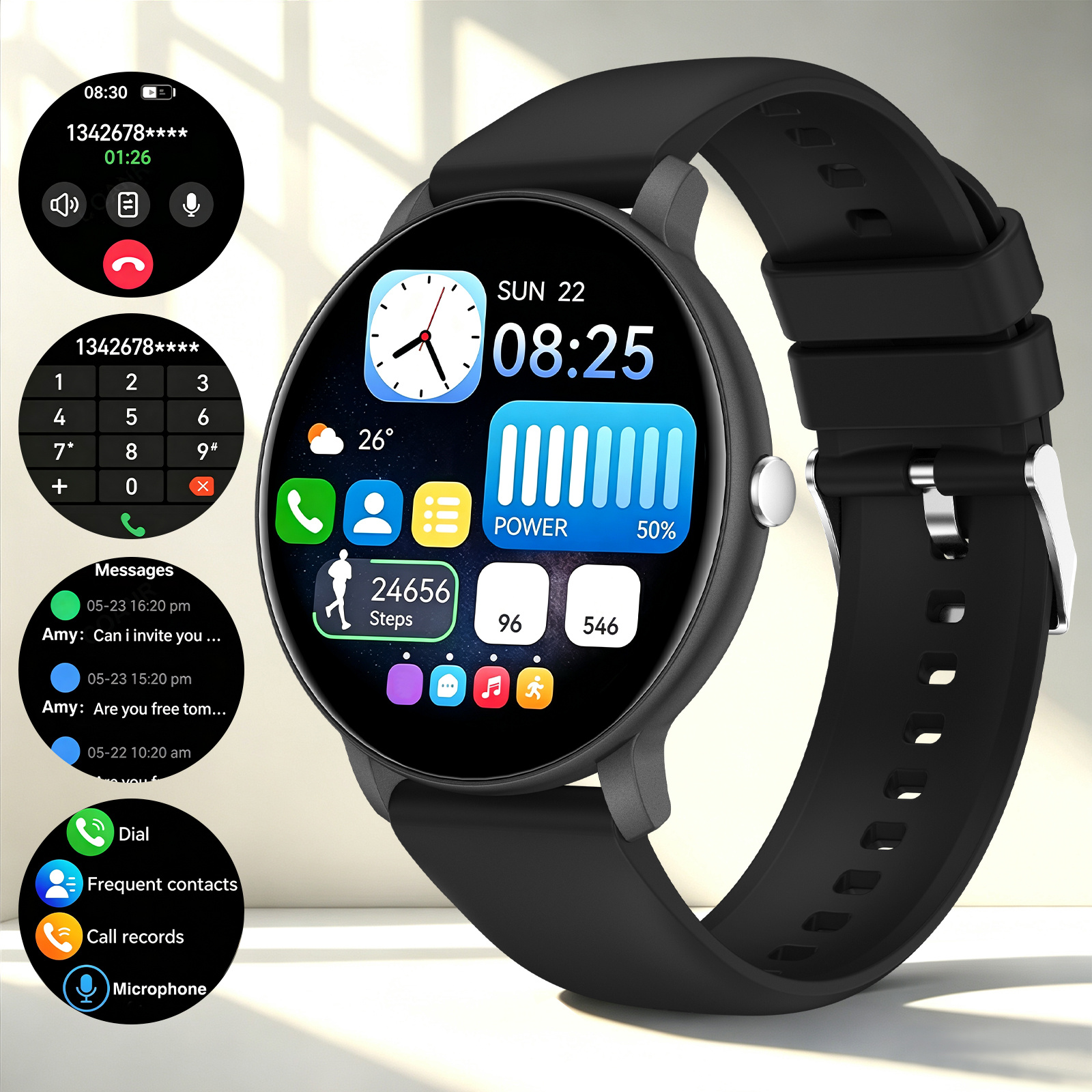
A sports smartwatch can help you see how your training actually responds: if your heart rate runs noticeably higher or your pace drops on fasted days, that's data telling you to shift harder sessions into your eating window.
Fasted vs. Fed Training, in Plain Terms
"Fasted training" just means training before your first meal; "fed" means you've eaten in the few hours before. Here's what actually differs:
- For easy, low-intensity exercise (walking, easy cycling, gentle yoga): fasted is fine for most people. Walking is an excellent low-intensity base, as our walking for weight management guide explains.
- For moderate-to-hard training (strength work, intervals, longer cardio): fed training generally feels and performs better — you can push harder and recovery starts sooner. Our cardio workout at home guide works well for these fed sessions.
- For building strength or muscle: training fed (or ending your fast right after) is the more sensible choice, since muscle-building benefits from available protein and energy around the session.
The internet loves to debate which burns more fat. For beginners, that's a distraction. What determines results over months is consistency — showing up, training with reasonable effort, and eating sensibly overall.
Hydration matters more when you're fasting
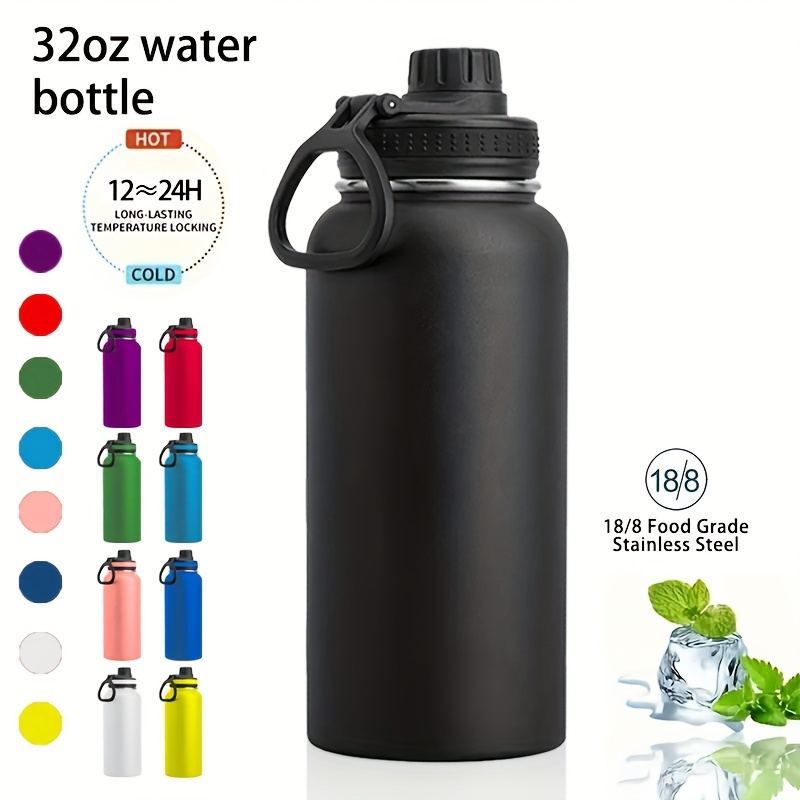
Fasting doesn't mean not drinking. Water, black coffee, and plain tea are fine during fasting windows. Some "fasting headaches" are just dehydration — keep a large insulated water bottle with you and drink steadily, since thirst is easy to misread as hunger.
Who Should NOT Fast
Fasting is not for everyone — this matters more than any schedule detail. Talk to a healthcare provider first, and consider skipping fasting entirely, if any of these apply:
- You're pregnant, trying to conceive, or breastfeeding. Nutritional needs are higher and more consistent; fasting is not appropriate without direct medical guidance.
- You have diabetes or take blood-sugar medication (including insulin). Fasting can cause dangerous blood sugar swings.
- You have a history of disordered eating or a difficult relationship with food. Fasting's rules and restriction can trigger harmful patterns — this is a real risk, not a footnote.
- You're under 18. Growing bodies need regular nutrition.
- You have a medical condition affected by food timing (e.g., reflux, certain medications that must be taken with food, history of fainting or low blood pressure).
- You're training very hard — multiple intense sessions daily or serious athletic goals pair poorly with restricted eating windows.
If none of these apply and you still feel unwell when trying fasting, that's also a valid reason to stop. Fasting is a tool, not a test of willpower.
Warning Signs to Stop a Fast Early
Even healthy people should break a fast and eat if they experience:
- Dizziness, lightheadedness, or feeling faint
- Nausea or shakiness that doesn't pass
- A headache that water and rest don't resolve
- Heart palpitations or unusual anxiety
- Training performance that keeps getting worse week after week
- Persistent irritability, brain fog, or disrupted sleep that started with fasting
Break the fast with a normal meal — don't "push through" these signals. Note that eating very late or training hard while fasted can disturb rest; our exercise and sleep guide can help you troubleshoot timing.
A Sensible First Two Weeks
If you've decided to try it, here's a calm way to begin:
Week 1: Adopt 12:12 (finish dinner by 8 PM, breakfast at 8 AM — many people already do this). Keep your normal workouts and notice how you feel. Nothing else changes.
Week 2: If week 1 felt fine, stretch to 14:10 by pushing breakfast to 10 AM, and move your hardest weekly session into your eating window if it isn't already there.
Only consider 16:8 after two comfortable weeks. If your workouts suffer, your mood tanks, or you're constantly thinking about food, loosen the window again — the goal is a sustainable rhythm, not the tightest fast.

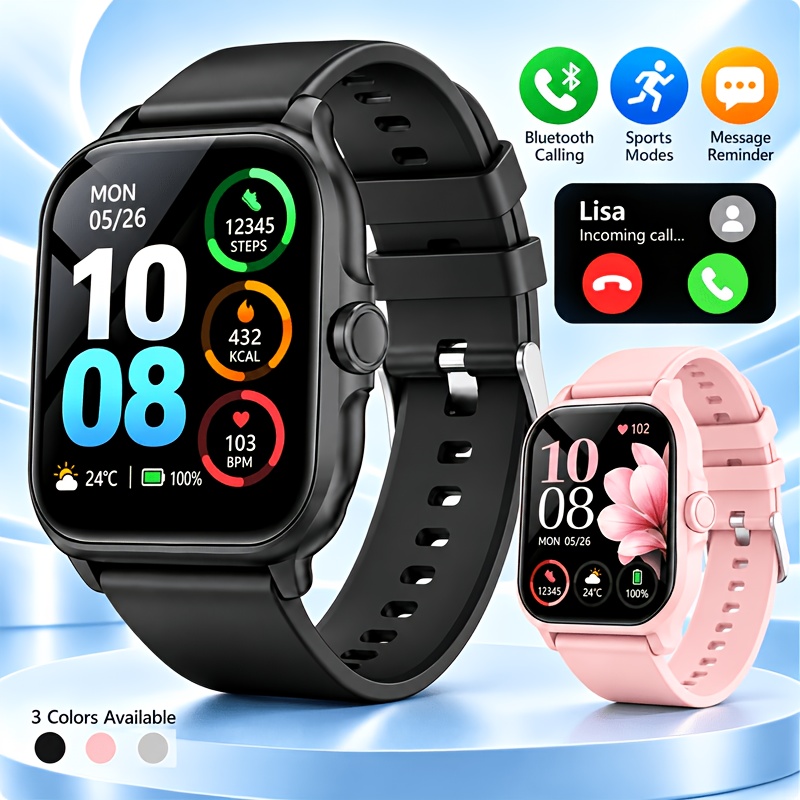
Tracking helps here too. A fitness watch like this women's smartwatch with activity tracking logs workouts and resting heart rate trends, so you can see whether fasting weeks change anything measurable — and spot problems early.
Common Beginner Mistakes
- Starting fasting and a new workout program in the same week. Change one variable at a time. Get comfortable with training first, or with fasting first — not both at once.
- Treating the fasting window as the goal. The window is a tool; feeling good and training consistently is the goal. A perfect 16:8 with miserable workouts is worse than a relaxed 14:10 with great training.
- Undereating inside the window. Compressing your meals doesn't mean skipping nutrition. You still need enough total food — especially protein — to support training.
- Doing hard fasted workouts. Intense training on an empty stomach is where most bad fasting experiences come from.
FAQ
Q: Can I exercise while fasting?
Yes — easy to moderate exercise while fasting is fine for most healthy people: walking, easy cycling, gentle yoga, and light strength work before your first meal are all reasonable. Save hard sessions for your eating window or right before it ends, when you can eat soon after.
Q: Should I eat right after a fasted workout?
If you trained hard, yes — eat a proper meal with protein and carbs when your window opens. If the session was easy and your window opens later, there's no urgency; just eat at your normal time. The post-workout meal matters more after demanding sessions.
Q: Does black coffee break a fast?
Plain black coffee and plain tea are generally considered fine during fasting windows — they contain essentially no calories. What breaks a fast is anything with meaningful calories: milk, sugar, cream, or "just a bite" of food. If coffee upsets your empty stomach, drink it with or after your first meal instead.
Q: Will fasting make me lose muscle?
It can, if protein intake is too low or training is too hard relative to what you're eating. Eat enough protein in your window, keep strength training in your routine, and put hard sessions near meals. If strength drops over several weeks, you're likely undereating — widen the window or eat more.
Q: Why do I feel dizzy when I fast and exercise?
Usually dehydration, low electrolytes, low blood sugar from hard training on an empty stomach, or a window that's too aggressive for your activity level. Drink water, ease off the intensity, and eat if it persists. Recurring dizziness means stop fasting and talk to a healthcare provider.
Conclusion
Intermittent fasting and exercise can coexist — many people train well on 14:10 or 16:8. The keys: start gently, keep hard workouts near meals, stay hydrated, eat enough inside your window, and stop if your body objects. Fasting is optional and genuinely unsuitable for some — pregnancy, medical conditions, and a history of disordered eating are clear reasons to skip it or get professional guidance first. No schedule guarantees results, and results vary. Choose the approach that lets you train consistently, eat adequately, sleep well, and feel good.