7 inner thigh exercises for women to strengthen the adductors at home: clear form cues, rep ranges, equipment options, and leg-day placement.
Inner Thigh Exercises for Women: 7 Moves to Add to Leg Day
The inner thighs — the adductor muscles running along the inside of each leg — are some of the most undertrained muscles in a typical leg day. Squats and lunges work them a little, but rarely enough, and weak adductors show up as wobbly knees, poor lateral stability, and a gap between what your quads and glutes can do and what the rest of your leg can support. Adding dedicated inner thigh exercises for women to your leg day fixes that imbalance with just 10–15 extra minutes.
One honest note first, because this topic attracts myths: no exercise selectively burns fat from the inner thighs. These seven moves strengthen and firm the adductor muscles, improve knee stability and hip function, and build balanced leg strength. How lean the area looks depends on overall body composition — activity, nutrition, sleep, genetics — and results vary. Stronger inner thighs, though, are a goal worth pursuing on their own merits.
This guide contains affiliate links. If you buy through them, VÉLORA may earn a commission at no extra cost to you.
Why Train the Inner Thighs?
The adductors do more than most people realize:
- Knee stability. Strong adductors help keep the knees tracking correctly during squats, lunges, stairs, and running — knees that cave inward are often partly an adductor weakness issue.
- Hip health and balance. The adductors stabilize the pelvis during single-leg movements like walking, climbing, and stepping sideways.
- Balanced leg development. Training quads and glutes while ignoring adductors builds strength on an uneven foundation. Balanced legs move better and are less prone to strain.
- Everyday function. Getting in and out of cars, changing direction, playing with kids — lateral and stabilizing strength matters in real life.
What You Need
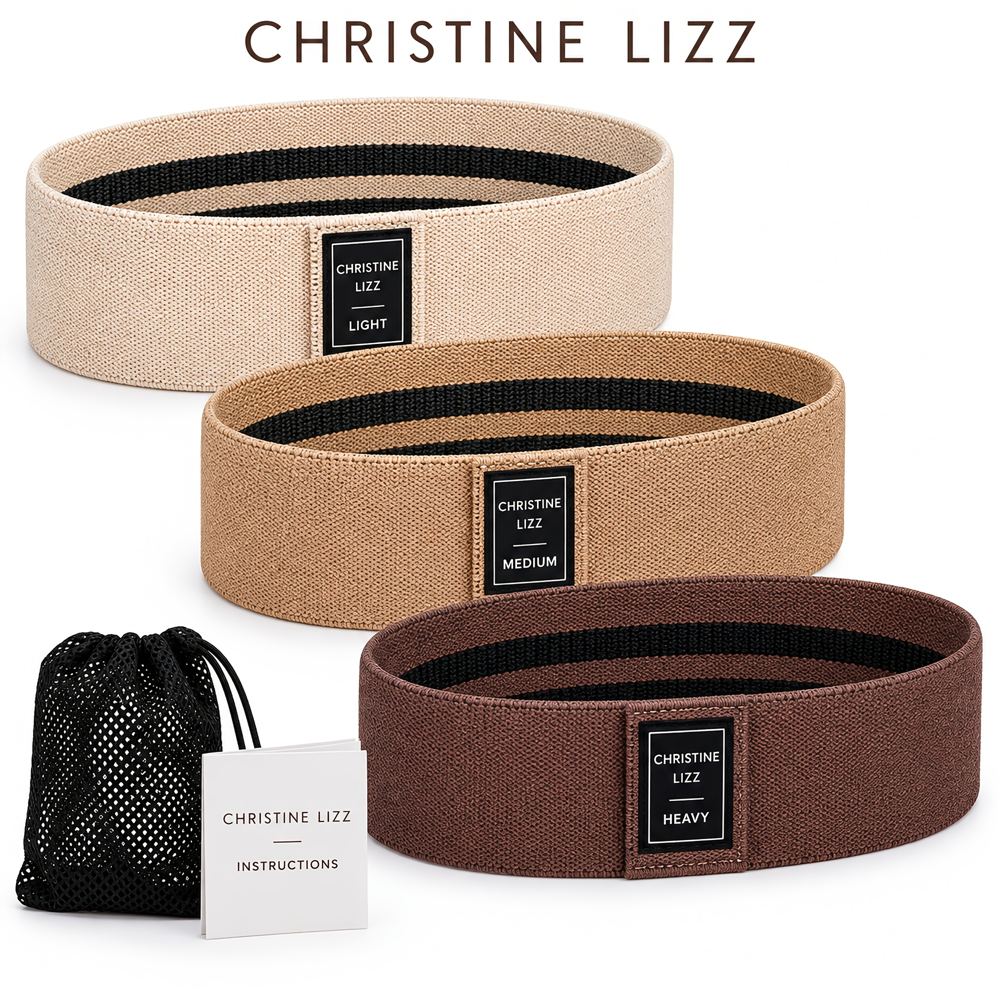
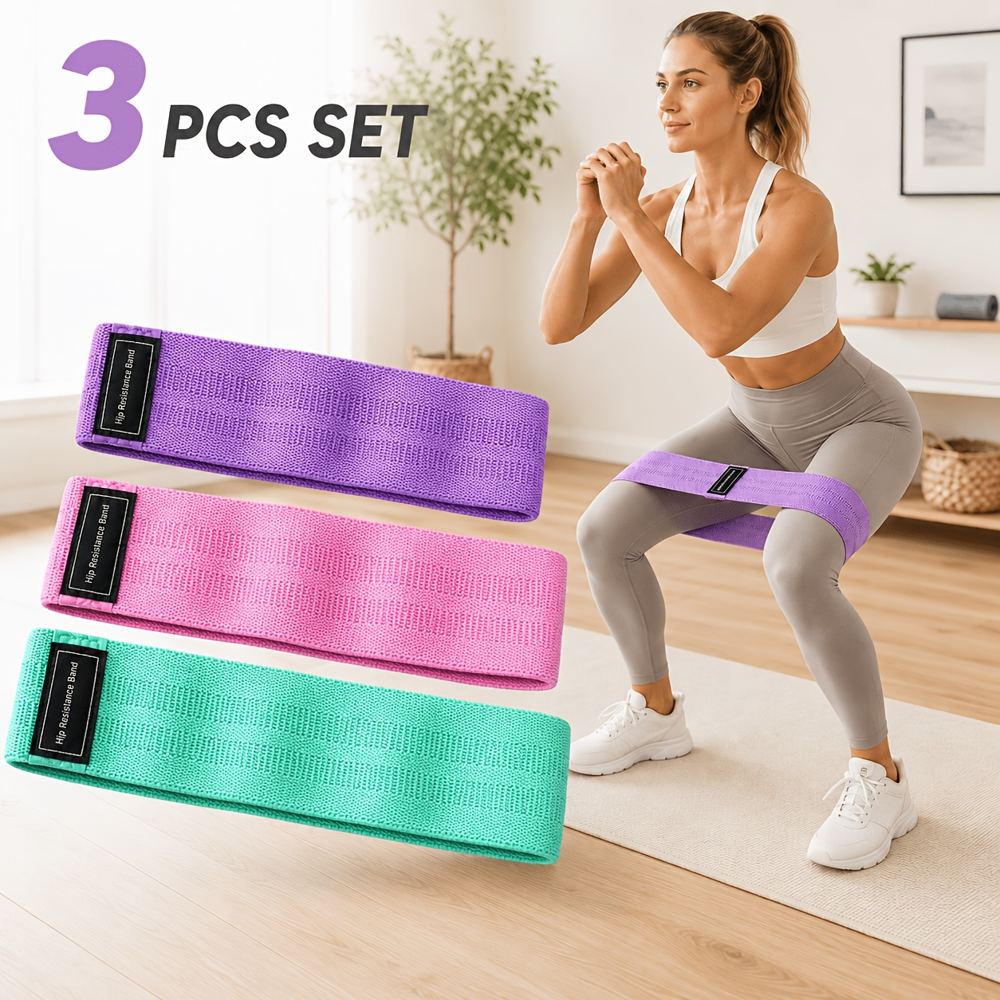
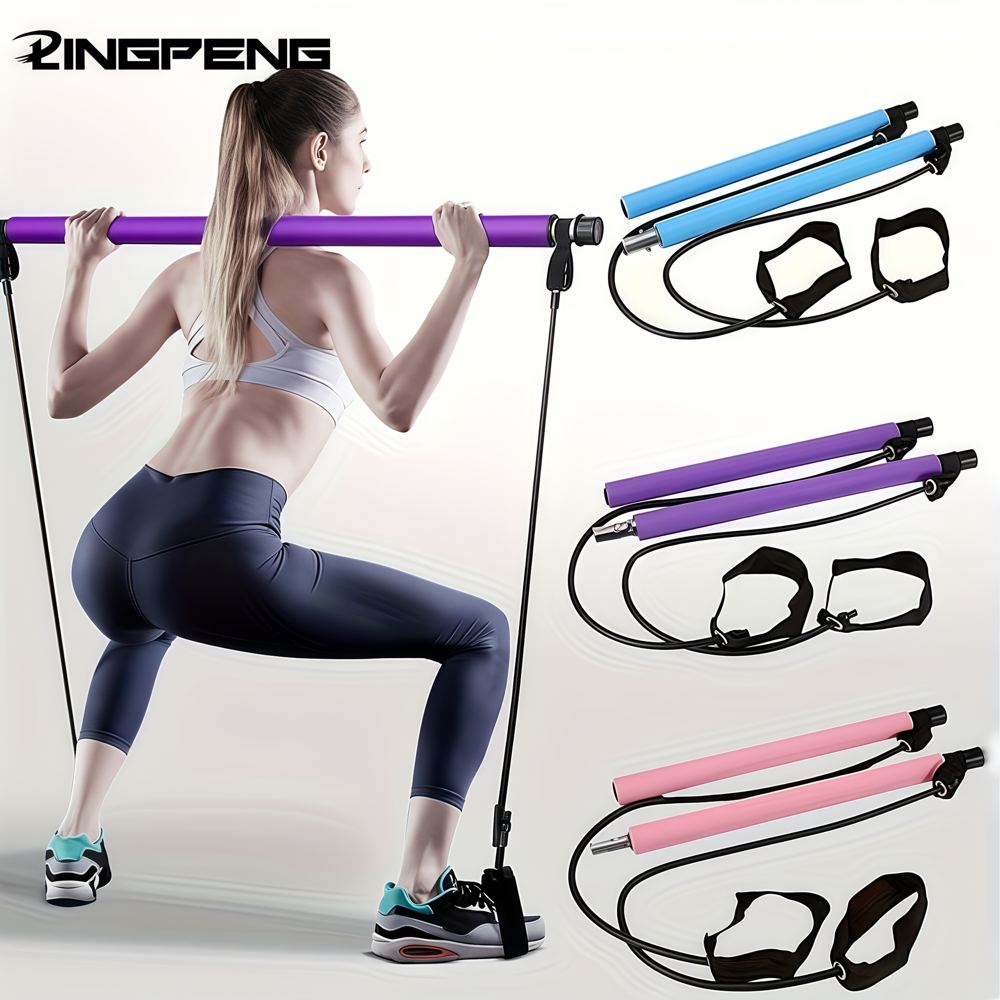
Most of these moves need nothing at all. For added resistance, fabric loop bands worn just above the knees are the single best tool — the Fabric Hip Bands 3-Band Set stays in place without rolling, and the three resistance levels let you progress. Lighter 3-Pack Yoga Resistance Bands work well for the lying and seated moves. A Pilates Bar Kit with Resistance Bands is a nice all-rounder if you want one kit for full-body home training. For the broader leg-day picture, see our lower-body workout guide and glute workout at home.
The 7 Moves
Add 3–4 of these to the end of your leg day, or do all seven as a focused 20-minute session twice a week. Warm up with five minutes of easy movement first — marching in place, leg swings, bodyweight squats. For each move: 2–3 sets of 10–20 repetitions (or 20–40 seconds for holds), resting 45–60 seconds between sets. Exhale on the effort.
1. Sumo Squat
Purpose: the best compound inner-thigh move — wide stance shifts emphasis to the adductors while still training glutes and quads. Equipment: optional dumbbell held at chest. Starting position: feet well wider than hip-width, toes turned out about 30–45 degrees. Technique: push your hips back and bend your knees, tracking them over your toes, lowering until your thighs are roughly parallel to the floor; press through your heels to stand, squeezing your glutes and inner thighs at the top. Breathing: inhale down, exhale up. Beginner modification: use a chair or wall for balance and a shallower range. Common mistakes: knees collapsing inward, heels lifting. Safety: keep the movement pain-free; knee discomfort means narrowing the stance or shortening the range.
2. Lateral (Side) Lunge
Purpose: trains the adductors through their full lengthening range while building lateral stability. Equipment: optional light dumbbells. Starting position: stand tall, feet together. Technique: take a big step to the side, bending that knee and pushing your hips back while the other leg stays straight; keep your chest lifted, then push off the bent leg to return. Alternate sides. Breathing: exhale as you push back to standing. Beginner modification: smaller step, shallower bend, hands on a chair for balance. Common mistakes: letting the bent knee travel far past the toes, rounding the back.
3. Lying Adductor Squeeze
Purpose: pure adductor isolation with zero joint stress — ideal for beginners or as a warm-up activator. Equipment: a pillow, yoga block, or small ball between the knees; a mat. Starting position: lie on your back, knees bent, feet flat, pillow squeezed between your knees. Technique: press your knees together firmly for 3–5 seconds, feeling the inner thighs engage, then release halfway (keep light tension) and repeat. Breathing: exhale on the squeeze. Sets/reps: 2–3 sets of 10–15 squeezes. Beginner modification: shorter holds, more rest.
4. Side-Lying Leg Lift (Bottom Leg)
Purpose: directly targets the adductors of the lower leg — the one move most people have never tried. Equipment: a mat; optional ankle weight later. Starting position: lie on your side, head resting on your lower arm, top leg bent with the foot flat on the floor in front of you. Technique: keeping the bottom leg straight, lift it a few inches off the floor, pause, and lower slowly without letting it rest fully between reps. Breathing: exhale as you lift. Beginner modification: smaller lift height. Common mistakes: rolling the hips backward — keep your body stacked vertically like a wall is behind you.
5. Banded Monster Walk
Purpose: adductor and glute-med engagement in a functional standing pattern. Equipment: fabric loop band above the knees. Starting position: band above knees, feet hip-width apart, slight bend in knees, athletic posture. Technique: take small controlled steps sideways, keeping tension on the band and knees tracking over toes; go 8–12 steps one way, then back. Breathing: steady and relaxed — do not hold your breath. Beginner modification: use the lightest band, shorter distances. Common mistakes: letting the knees cave inward, taking steps so big the band goes slack.
6. Curtsy Lunge
Purpose: adductor and glute emphasis with a balance challenge. Equipment: optional dumbbells. Starting position: stand tall, feet hip-width apart. Technique: step one foot back and across behind you, lowering until both knees are bent roughly 90 degrees — like a curtsy; press through the front heel to return. Alternate sides. Breathing: exhale as you stand. Beginner modification: hold a wall or chair, shorten the step. Safety: keep the front knee tracking over the toes; if balance is shaky, this move is best done near support.
7. Wide-Stance Glute Bridge with Band
Purpose: combines glute and inner-thigh work — the band forces the adductors to stabilize while the glutes drive the lift. Equipment: mat, loop band above the knees. Starting position: lie on your back, band above knees, feet flat and slightly wider than hip-width. Technique: press knees gently outward against the band as you lift your hips until shoulders-to-knees form a line; squeeze glutes and inner thighs at the top, lower slowly. Breathing: exhale on the lift. Beginner modification: no band, narrower stance. Sets/reps: 2–3 sets of 12–20.
How to Fit These Into Leg Day
| Leg-day structure | Where inner thighs go | Time | | --- | --- | --- | | Warm-up (5 min) | Lying adductor squeeze as activation | 2 min | | Main lifts: squats, hinges, lunges | Already covered | — | | Accessory block | Pick 3–4 moves from the list above | 10–15 min | | Cool-down stretches | Inner-thigh and hip-flexor stretches | 5 min |
Do the accessory block twice a week for 6–8 weeks before judging results. Progress by adding reps, then sets, then band resistance — one variable at a time. Our resistance band workout guide has more band-based ideas for the rest of your training week.
Safety Notes
- Warm up before and stretch after, every session. Never bounce stretches.
- These moves should create muscular effort in the inner thighs — not sharp pain in the knees, hips, or groin. Stop any exercise that causes joint pain.
- If you have hip impingement, groin strains, pelvic-floor issues, or are pregnant or postpartum, check with your doctor or physiotherapist before doing adductor-focused training, and get clearance for any new exercise program if you have a medical condition.
- Progress gradually: inner-thigh muscles are often deconditioned, and soreness after the first session or two is normal. Start with fewer sets and build up.
FAQ
Q: Can inner thigh exercises slim my inner thighs?
Exercises strengthen and firm the adductor muscles, which can improve how the area looks and feels, but no exercise can selectively remove fat from one spot. Overall leanness comes from total activity, nutrition, sleep, and genetics, and it varies from person to person. Train the inner thighs for strength, stability, and balance — those benefits are real and reliable.
Q: How often should I train inner thighs?
Two to three times per week, as part of leg day or as a short focused session, is plenty. Like any muscle group, the adductors need rest days between hard sessions to adapt and grow stronger.
Q: Do I need equipment for inner thigh exercises?
No — four of the seven moves above are effective with bodyweight alone. A loop band adds useful resistance once bodyweight feels easy; the fabric hip bands are the most comfortable option because they do not roll or pinch.
Q: Why do my knees cave inward when I squat?
Often it is a combination of adductor and glute-med weakness plus habit. The sumo squat, banded monster walk, and lateral lunge in this guide directly train the muscles that keep knees tracking correctly. Start light, consciously drive your knees outward over your toes on every rep, and the pattern usually improves within a few weeks. If knee pain accompanies the caving, see a physiotherapist.
Q: Are these exercises safe during pregnancy?
Pregnancy changes joint laxity, balance, and pelvic-floor loading, so get your provider's clearance before doing adductor-focused training while pregnant or postpartum — and follow their guidance over any general article. Gentle, pain-free movement is often encouraged, but the specific exercises and intensity should be individualized to you.
The Bottom Line
Strong inner thighs are the quiet foundation of stable knees, balanced legs, and confident movement — and they only need 10–15 minutes, two or three times a week. Pick three or four of the seven moves, add them to the end of leg day, progress gradually, and give the routine 6–8 weeks. Forget spot-reduction promises; train the adductors because balanced, capable legs are worth having at every age.
