A complete lower body workout for women at home: squats, hinges, lunges and calf work with clear form cues, simple gear and flexible sets and reps.
Women's Lower-Body Workout: Legs and Glutes Without a Gym
Your legs and glutes are the largest, hardest-working muscles you own — they carry you through every step, stair, and school run. Training them at home is no watered-down substitute for the gym: with sound technique and gradual progression, a living-room session builds genuine strength, steadier knees and hips, and fitness that shows up in daily life. This guide gives you a complete session — squat, hinge, lunge, bridge, and calf work — with instructions you can follow the first time, plus a bodyweight-only version if you have no equipment yet.
This workout strengthens the muscles of your legs and glutes. It will not spot-reduce fat from your thighs or hips — no workout can target fat loss to one area, whatever the headlines claim. Overall fat loss comes from the bigger picture of activity, nutrition, sleep, and time. Stronger legs, though, are very much on offer.
This guide contains affiliate links. If you buy through them, VÉLORA may earn a commission at no extra cost to you.
What You Need
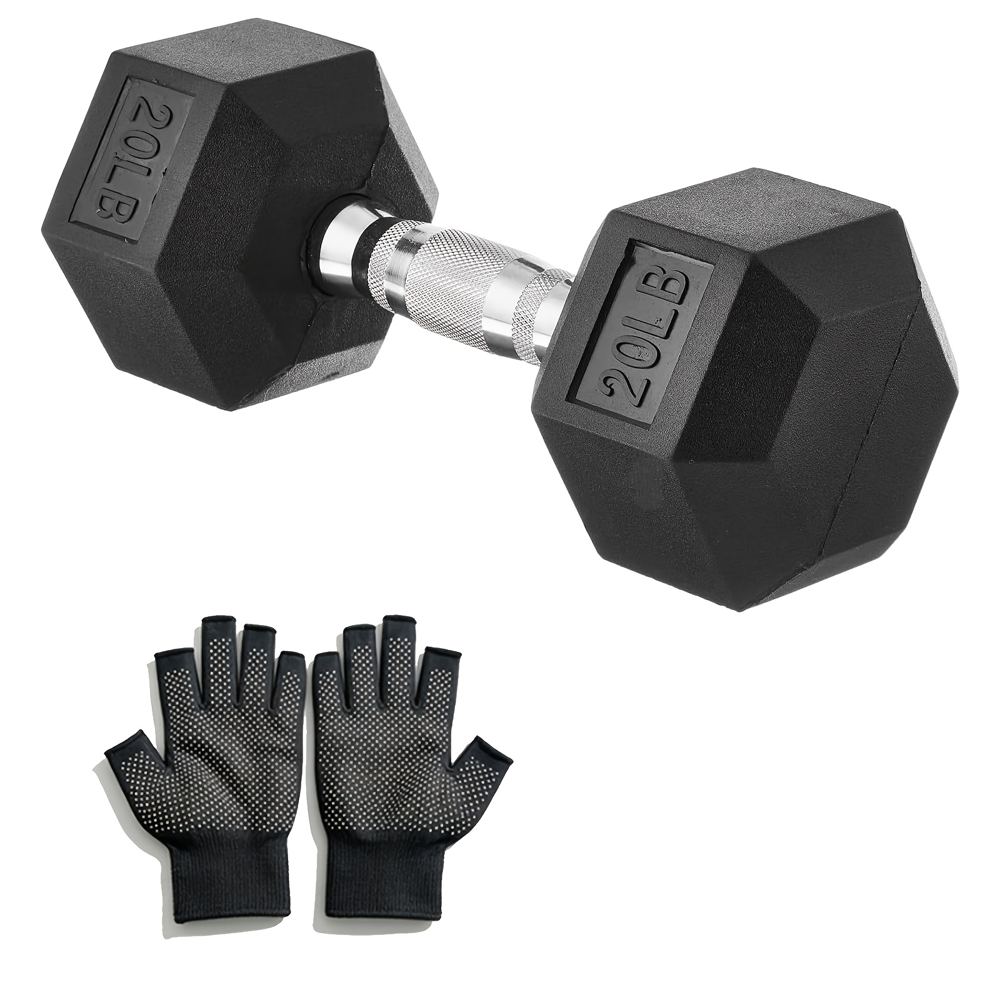
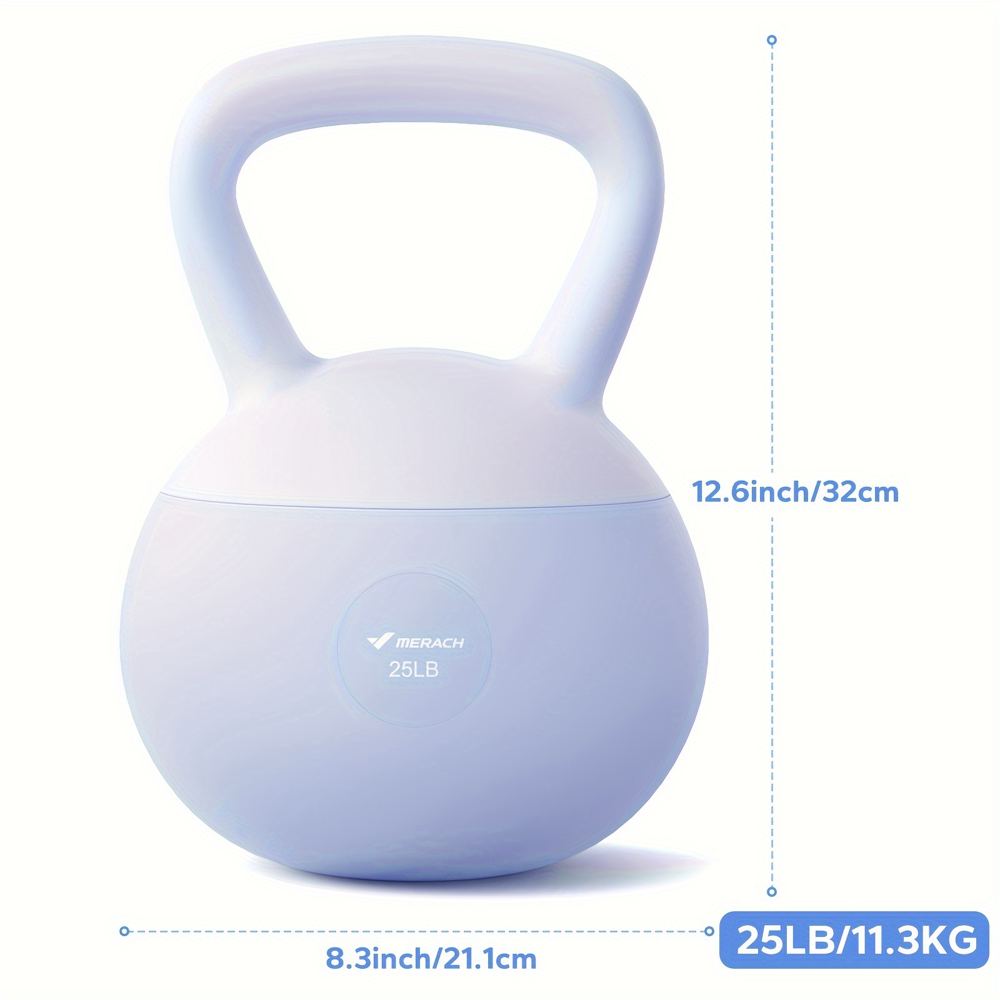
The session uses minimal kit, and every weighted exercise lists a bodyweight alternative.
Short on equipment? Our roundup of the Best Home Gym Equipment Under $100 shows how little a starter setup can cost.
Warm-up (5 minutes): March gently in place for a minute, then 10 slow bodyweight squats, 10 alternating reverse lunges (holding a chair if needed), 10 glute bridges, 10 standing leg swings per side, and ankle circles each way.
The Workout: 6 Exercises
Move through the exercises in order, resting 45–90 seconds between sets.
1. Goblet Squat
Purpose: The anchor movement. Squats build thighs and glutes together and rehearse the pattern you use every time you sit and stand.
How to do it: Stand feet shoulder-width apart, toes forward or turned out slightly. Hold one dumbbell or kettlebell close to your chest, elbows down (bodyweight version: hands clasped at your chest). Brace your stomach, sit your hips down between your heels with chest tall and heels planted, going as deep as you comfortably can while your knees track in line with your toes. Drive through your whole foot to stand.
Breathing and reps: Inhale as you descend, exhale as you stand. Aim for 3–4 sets of 8–15 reps.
Beginner modification: Squat to a chair, lightly touching the seat each rep.
Common mistakes: Knees collapsing inward, heels lifting, and folding forward from the waist. If your knees cave in, reduce the weight and slow down — a control issue, not a strength contest.
2. Romanian Deadlift
Purpose: Trains the hinge pattern — hamstrings, glutes, and back together — the movement that teaches you to pick things up safely for life.
How to do it: Stand tall, feet hip-width apart, weights in front of your thighs, knees soft and staying that way. With a flat back and open chest, push your hips backward as if closing a car door with your backside, weights sliding down the front of your legs. Stop when you feel a strong stretch in the backs of your thighs — usually between knee and mid-shin height — then squeeze your glutes to stand tall. No weights? Slide your hands down your thighs as a guide.
Breathing and reps: Inhale as you hinge back, exhale as you stand. Aim for 3 sets of 8–14 reps.
Beginner modification: Learn the pattern with a broomstick held along your back before adding weight.
Common mistakes: Turning it into a squat, rounding the lower back, and reaching toward the floor instead of pushing the hips back. The hamstring stretch tells you it is right — a flat back matters more than depth.
3. Reverse Lunge
Purpose: Single-leg strength for thighs and glutes, plus balance and knee stability — friendlier to sensitive knees than stepping forward.
How to do it: Stand tall, feet hip-width apart, dumbbells at your sides if using them. Step one foot back and lower straight down until both knees are bent and your back knee hovers just above the floor, torso upright, front foot fully planted. Push through the front foot to stand. Alternate legs, or finish one side first.
Breathing and reps: Inhale as you lower, exhale as you push up. Aim for 2–3 sets of 6–12 reps per leg.
Beginner modification: Hold a chair or wall with one hand, and take a shorter step back.
Common mistakes: Front knee caving inward, torso leaning far forward, and pushing off the back foot so the front leg stops working. Think "down and up," not "back and forth."
4. Glute Bridge or Hip Thrust
Purpose: Direct glute work to balance a thigh-dominant session — the glutes are your primary hip extensors and deserve focused effort.
How to do it: For the bridge, lie on your back, knees bent, feet flat close enough to graze your heels with your fingertips. Push through your heels, lift until knees, hips, and shoulders align, squeeze for one to two seconds, lower slowly. For the thrust, rest your upper back (below the shoulder blades) against a sofa edge braced against a wall, and lift through a larger range. A dumbbell across the hips adds load.
Breathing and reps: Exhale on the lift, inhale as you lower. Aim for 3 sets of 10–18 reps.
Beginner modification: Bridge only, smaller range, until the squeeze at the top is unmistakable.
Common mistakes: Overarching the lower back at the top, pushing through the toes, and rushing the lowering phase.
5. Step-Up
Purpose: Real-world strength — stairs, curbs, and hills — that also exposes left-right imbalances.
How to do it: Place your whole foot on a sturdy step, low bench, or bottom stair. Press through that foot, especially the heel, and lift yourself by straightening the standing leg, resisting the urge to push off the floor foot. Stand tall at the top, then lower slowly. Finish all reps on one leg, then switch.
Breathing and reps: Exhale as you step up, inhale as you lower. Aim for 2–3 sets of 6–10 reps per leg.
Beginner modification: A lower step and a handrail or wall for balance.
Common mistakes: Bouncing off the bottom foot, knee caving inward, and dropping down instead of lowering. Choose a height where your thigh is roughly parallel to the floor at the start — higher is not better. Check the step is stable before every set.
6. Standing Calf Raise
Purpose: Calves are the unsung finishers of lower-body training — they matter for walking, balance, and ankle health, and respond to slow, full-range work.
How to do it: Stand with the balls of your feet on the floor (or a step edge for extra range), heels free, a wall nearby for balance. Rise onto your toes as high as you can, pause a second, then lower slowly — below level on a step — until you feel a gentle stretch.
Breathing and reps: Breathe naturally, exhaling as you rise. Aim for 2–3 sets of 10–20 reps; when both legs feel easy, progress to single-leg raises.
Beginner modification: Both feet on the flat floor, both hands on the wall.
Common mistakes: Bouncing at the bottom, rushing, and rolling the ankles outward.
Two Ways to Run the Session
Bodyweight day: The goblet squat becomes a regular bodyweight squat; the deadlift becomes the broomstick hinge or slow good-mornings with hands behind your head; lunges, bridges, low step-ups, and calf raises stay as written. Expect to use the higher ends of the rep ranges.
Dumbbell day: Use loads that make the last two reps of each set challenging while form stays clean. When a set's top rep range feels controlled two sessions running, add a little weight or an extra set — not both at once.
| Exercise | Main Muscles | Equipment | Difficulty | |---|---|---|---| | Goblet Squat | Thighs, glutes | Dumbbell/kettlebell or none | Beginner–Intermediate | | Romanian Deadlift | Hamstrings, glutes, back | Dumbbells/kettlebell or none | Beginner–Intermediate | | Reverse Lunge | Thighs, glutes, balance | Optional dumbbells | Beginner | | Glute Bridge / Hip Thrust | Glutes | Mat, sofa, optional dumbbell | Beginner | | Step-Up | Thighs, glutes, single-leg strength | Step, optional dumbbells | Beginner–Intermediate | | Standing Calf Raise | Calves | Wall/step | Beginner |
Train lower body two to three times per week on non-consecutive days, and note weights and reps — visible progression tells you when to add challenge.
Cool-down (3–5 minutes): While your muscles are warm, hold each stretch 20–40 seconds per side: a standing quadriceps stretch at the wall, a figure-four glute stretch on your mat, a standing calf stretch, and a relaxed forward fold for the hamstrings. It should feel like mild tension easing, never pain.
Safety Notes
- Sharp or joint pain means stop that exercise. Effort and a muscular burn are expected; pain is a signal, not something to push through.
- Progress gradually — muscles adapt faster than tendons and joints. Increase weight or volume in small steps, especially for lunges and step-ups if your knees are sensitive.
- If you are pregnant, recently postpartum, rehabilitating an injury, or managing a condition affecting your joints or balance, get individualized guidance from your doctor or a physiotherapist before starting.
- Ankle weights for floor-based glute work are a knee-friendly way to add challenge later — see our guide to the Best Ankle Weights for Women.
- Results vary from person to person. Measurable strength — more reps, heavier weights, easier stairs — is the most reliable progress marker.
FAQ
Q: How many times a week should women train lower body?
Two to three sessions per week, with at least one rest day between them, suits most women. Muscles grow stronger during recovery, not during the workout, so more is not automatically better.
Q: I have no equipment at all. Is this workout still worth doing?
Yes. The bodyweight version trains every pattern in the session, and slower tempos, pauses, and single-leg variations keep it challenging for a long time. Add dumbbells when budget allows and top rep ranges feel easy.
Q: Will lower-body training slim my thighs?
Training strengthens and firms the muscles underneath, and many women find their legs look more toned over time. But exercise cannot remove fat from one chosen area — overall fat loss depends on total activity, nutrition, and other factors, and happens across the whole body at its own pace.
Q: My knees feel lunges. What should I do?
Check your form first: front knee tracking over the toes, torso upright, a step length that lets you lower straight down. Reverse lunges are usually gentler, holding a chair helps, and reducing depth often helps. Stop if there is real pain — persistent knee pain deserves a professional assessment.
Q: How do I know what weight to start with?
Pick a weight that lets you finish a set with clean form while feeling you could manage only one or two more good reps. For many beginners that means bodyweight, or around 5–10 lbs for squats and hinges at first. Legs are stronger than you think.
Q: How long does this workout take?
Roughly 35–50 minutes including warm-up and cool-down. Short on time? Cut one set from each exercise rather than skipping the session.
The Bottom Line
A home lower-body workout does not need machines — it needs the right patterns, honest effort, and patience. Squat, hinge, lunge, bridge, step, and raise your calves, two or three times a week, adding challenge in small steps. That simple formula builds legs and glutes that carry you through daily life with strength to spare.
