Headaches and sluggish workouts can come down to water. A plain-language guide to hydration and exercise — how much you need before, during, and after training.
Hydration and Exercise: How Much Water Do You Really Need?
Headache halfway through your workout. Energy crashing for no clear reason. Muscle cramps that show up uninvited. Before blaming your program, check the simplest variable: water.
Hydration advice is everywhere and mostly confusing — "drink 8 glasses," "drink a gallon," "drink when thirsty," "never wait until you're thirsty." This guide cuts through the noise with practical, plain-language guidance: how much water you actually need around exercise, the signs you're under-hydrated, what electrolytes really are, and how to choose a bottle that makes drinking enough effortless.
This guide contains affiliate links. If you buy through them, VÉLORA may earn a commission at no extra cost to you.
Why Hydration Matters for Exercise
Water is involved in nearly everything your body does during a workout: regulating temperature through sweat, transporting nutrients, cushioning joints, and keeping blood volume up so your heart doesn't have to work overtime. Even mild dehydration — the kind you barely notice — can show up as:
- Earlier fatigue and workouts that feel harder than they should
- Headaches during or after training
- Dizziness or lightheadedness, especially when standing up
- Muscle cramps
- Dark yellow urine and reduced sweating despite effort
- Difficulty concentrating and a shorter temper (yes, really)
You don't need to be severely dehydrated to feel the effects. Losing even a small percentage of body weight as sweat can measurably dent performance and mood. The good news: it's one of the easiest training variables to fix.
How Much Water Do You Need? (Ranges, Not Rules)
There is no single correct number — needs vary with body size, sweat rate, climate, workout intensity, and duration. Anyone giving you one universal figure is oversimplifying. Here's practical guidance in ranges:
Before exercise
- 2–3 hours before: drink roughly 400–600 ml (about 2–3 glasses) with a meal or snack.
- 20–30 minutes before: another 200–300 ml (about a glass).
- Starting well-hydrated matters more than chugging at the gym door. Pale-yellow urine before training is a good sign you're on track.
During exercise
- Sessions under 60 minutes: plain water is enough for most people. Sip 150–250 ml every 15–20 minutes — small, regular sips beat occasional big gulps.
- Sessions of 60–90+ minutes, or heavy sweating: consider adding electrolytes (more below), and aim for roughly 400–800 ml per hour, adjusted to your sweat rate and thirst.
- Don't force it. Drinking far beyond thirst during moderate exercise can cause its own problems (see the overhydration warning below).
After exercise
- Drink to thirst over the next few hours, plus include water with your post-workout meal.
- A rough check: if your urine is still dark a few hours after training, keep drinking. Pale yellow is the target.
- Weighing yourself before and after long or very sweaty sessions (1 kg lost ≈ 1 liter of fluid) can help you learn your personal sweat rate — useful data, not an obsession.
These are starting ranges, not prescriptions. Hot climates, larger bodies, and intense sessions push you toward the higher end; cool weather, smaller bodies, and easy sessions toward the lower end. Learn your own pattern over a few weeks.
Electrolytes in Plain Language
Electrolytes are minerals — mainly sodium, potassium, and magnesium — that you lose in sweat and that help your body actually use the water you drink. For most everyday workouts under an hour, plain water plus normal meals covers you completely. Electrolytes become worth thinking about when:
- You train longer than about 60–90 minutes
- You sweat heavily (drenched clothes, salty residue on skin)
- You train in significant heat
- You do multiple sessions in a day
Options range from sports drinks to electrolyte powders to simply eating a salty snack with water afterward. You don't need anything fancy for typical gym sessions — save the specialized products for long, sweaty endurance work. And skip the sugar-heavy sports drinks for short workouts; water does the job without the extra calories.
A note of caution: if you have high blood pressure, kidney issues, heart conditions, or you're pregnant, talk to your healthcare provider about electrolyte products and hydration strategies rather than following general advice. The same goes for anyone with a history of eating disorders — hydration guidance should come from your care team.
The Overhydration Warning (Yes, It's Real)
Drinking too much water during exercise — especially over several hours — can dilute blood sodium to dangerous levels (hyponatremia). It's rare in typical gym sessions but worth knowing:
- Don't force large volumes "just in case." Drink to thirst plus a sensible plan.
- It's most relevant for long endurance events (multi-hour runs, hikes, rides), not 45-minute gym sessions.
- Symptoms like confusion, bloating, nausea, or worsening headache despite drinking a lot warrant stopping and seeking medical help.
The takeaway: hydration is about balance, not maximum intake. More is not always better.
Choosing a Bottle That Makes It Easy
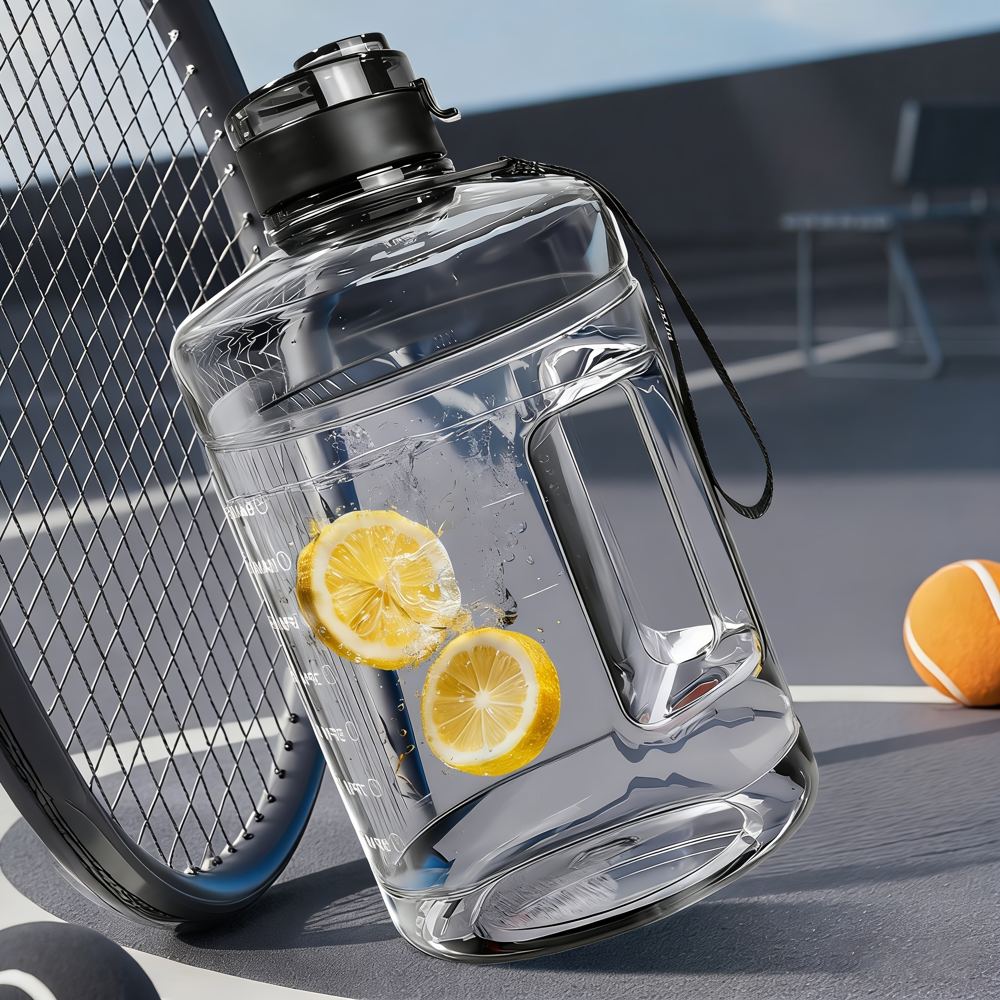
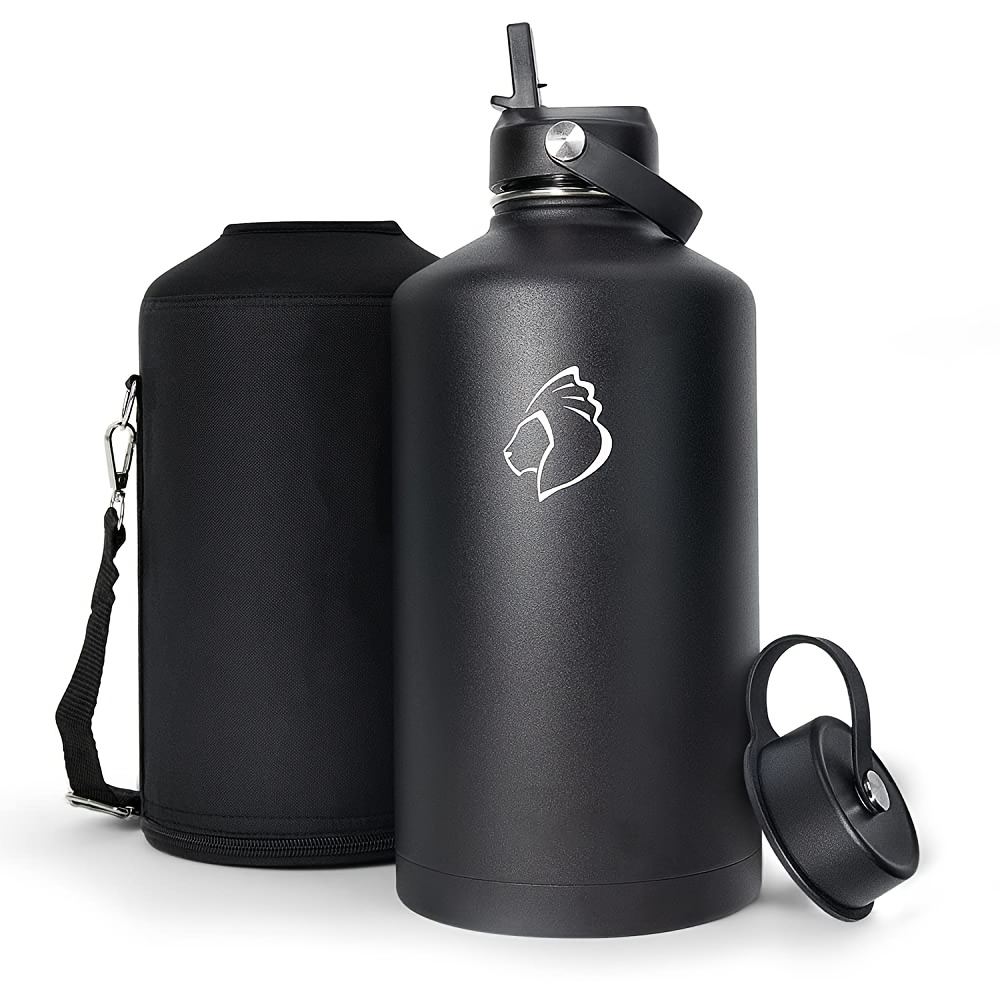
The best hydration strategy is the one you actually follow — and the right bottle removes friction. What to look for:
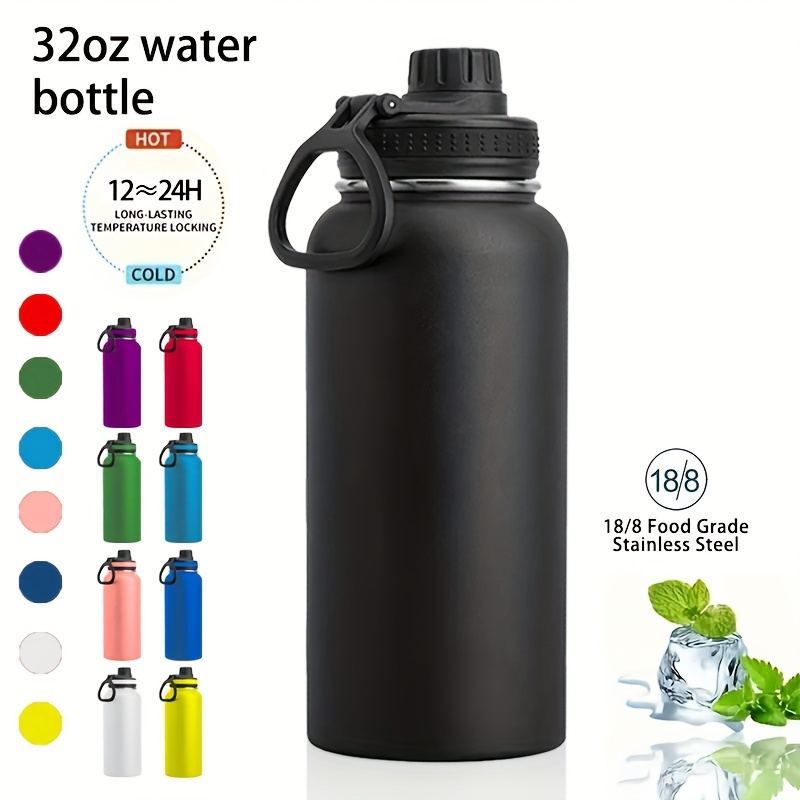
Whatever you choose, keep the bottle visible and filled. The single biggest hydration hack is simply having water within arm's reach all day — at your desk, in your gym bag, by your bed.
Hydration Strategy by Workout: A Quick Comparison
| Workout length & intensity | Hydration strategy | |---|---| | Easy session under 45 min (walk, gentle yoga, light strength) | Drink normally before; water to thirst during; no special plan needed | | Moderate 45–60 min (brisk cardio, full strength session) | 400–600 ml in the 2–3 hours before; sip 150–250 ml every 15–20 min during | | Hard 60–90 min (HIIT, heavy lifting, hot yoga) | Pre-hydrate well; sip regularly during; consider electrolytes if sweating heavily | | 90+ min or endurance (long runs, rides, hikes) | Planned intake ~400–800 ml/hour; electrolytes recommended; know your sweat rate | | Hot/humid conditions (any duration) | Shift everything up: pre-hydrate more, sip more often, electrolytes earlier | | Multiple sessions in one day | Rehydrate fully between sessions; salty foods or electrolytes help replace sodium |
If you're new to structured cardio or intervals, our cardio workout at home and HIIT for beginners guides are good places to start — and both pair naturally with the hydration habits above.
Hydration and Sleep: The Evening Balance
Water timing affects rest too. Being dehydrated can contribute to restless sleep, but chugging a liter right before bed guarantees bathroom trips. The balance: hydrate well through the day and during evening training, then taper in the last 1–2 hours before sleep — small sips only. Our exercise and sleep guide covers the full picture of training timing and rest.
Common Hydration Mistakes
- Only drinking during the workout. Hydration is a day-long habit. Showing up already dehydrated and trying to catch up mid-session doesn't work well.
- Waiting until you're very thirsty. Mild thirst is a fine cue for daily life, but during hard or long sessions, sip on a schedule rather than waiting for strong thirst.
- Ignoring the heat. The same workout in summer heat can double your fluid needs. Adjust for conditions, not just the workout on paper.
- Relying on caffeine alone. Coffee and tea contribute to daily fluid intake, but they shouldn't be your only fluids around training — pair them with water.
- Forgetting post-workout. The hours after training count. Keep drinking with meals and through the evening.
FAQ
Q: How do I know if I'm dehydrated during a workout?
Early signs: your workout feels harder than usual, headache creeping in, dizziness, reduced sweating despite effort, and very dark urine afterward. If you regularly finish sessions with headaches or unusual fatigue, try pre-hydrating better and sipping on a schedule for a week and see if it changes.
Q: Is it bad to drink too much water during exercise?
For typical gym sessions, it's hard to overdo it — but during long endurance efforts (multiple hours), drinking far beyond thirst can dilute blood sodium, which is dangerous. The rule: drink to thirst plus a sensible plan based on the table above, not "as much as possible."
Q: Do I need electrolyte drinks for a normal gym workout?
Usually not. For sessions under about an hour with normal sweating, plain water and regular meals cover your needs. Electrolytes become worthwhile for 60–90+ minute sessions, heavy sweating, significant heat, or multiple daily sessions.
Q: Does coffee dehydrate you?
Not meaningfully for most people — coffee and tea do contribute to daily fluid intake. But around workouts, water should be your primary fluid. If you're a heavy coffee drinker, just make sure water is in the mix too, especially before and during training.
Q: How much water should I drink per day in general?
General guidance often cites around 2–3 liters daily from all sources (drinks plus food) for most adults, with more on training days and in heat. But it varies widely by body size, diet, climate, and activity. Urine color (pale yellow) is a more reliable personal gauge than any fixed number.
Conclusion
Hydration doesn't need to be complicated: start sessions well-hydrated, sip on a schedule during longer or harder workouts, add electrolytes when sessions run long or sweat runs heavy, and rehydrate through the hours after. Learn your own sweat rate, keep water within arm's reach with a bottle you actually like using, and don't overthink the rest. It's one of the simplest performance upgrades available — and unlike most fitness advice, it works the very first day you apply it.