Tight hamstrings? These safe, beginner-friendly hamstring stretches loosen the back of your legs gradually — with strap techniques, proper form, and realistic expectations.
Hamstring Stretches: How to Loosen Tight Hamstrings Safely
Tight hamstrings are almost a badge of modern life: they make touching your toes feel like a distant memory, they pull on the pelvis in ways that stiffen the lower back, and they turn simple things — picking something up, sitting cross-legged — into negotiations. The fix is straightforward but not instant: patient, well-formed hamstring stretching, done regularly, with realistic expectations about the pace of change.
Before the stretches, a reality check that will save you frustration. Hamstring flexibility improves over weeks and months, not days — anyone promising to fix your hamstrings in a week is selling a fantasy. Some tightness is also protective: if your hamstrings feel "tight" because they are weak, aggressive stretching is the wrong medicine and strengthening is the right one. And sharp, sudden, or one-sided hamstring pain is a strain until proven otherwise — see a physiotherapist, do not stretch through it.
This guide contains affiliate links. If you buy through them, VÉLORA may earn a commission at no extra cost to you.
Know Your Hamstrings First
The hamstrings are three muscles running down the back of the thigh, from the sitting bones to just below the knee. They bend the knee and extend the hip — which means they cross two joints, and that is why they feel so stubborn: stretching them means managing both joints at once. Tightness shows up as:
- Difficulty touching your toes (or even your shins) with straight-ish legs
- A pelvis that tucks under when you try to sit upright with legs extended
- Low-back stiffness that eases when you bend your knees
- A pulling sensation behind the knees during forward folds
Also worth knowing: hamstrings often feel tight when they are actually weak and overworked — common in runners and in anyone who sits all day then trains hard. If stretching never seems to "take," add hamstring strength work (bridges, Romanian deadlift patterns with light load) alongside the stretches below.
What You Need
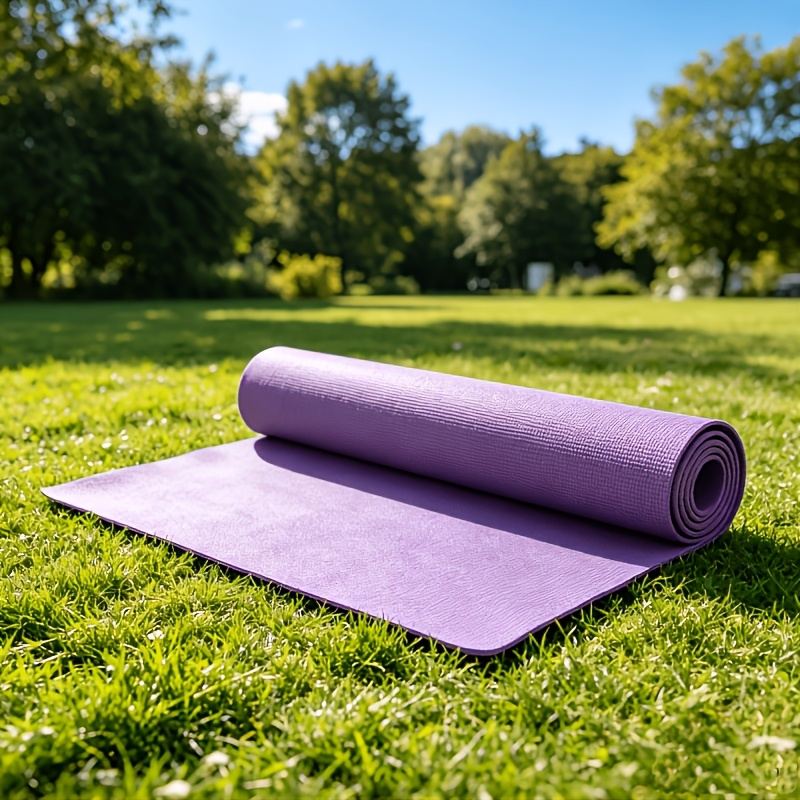
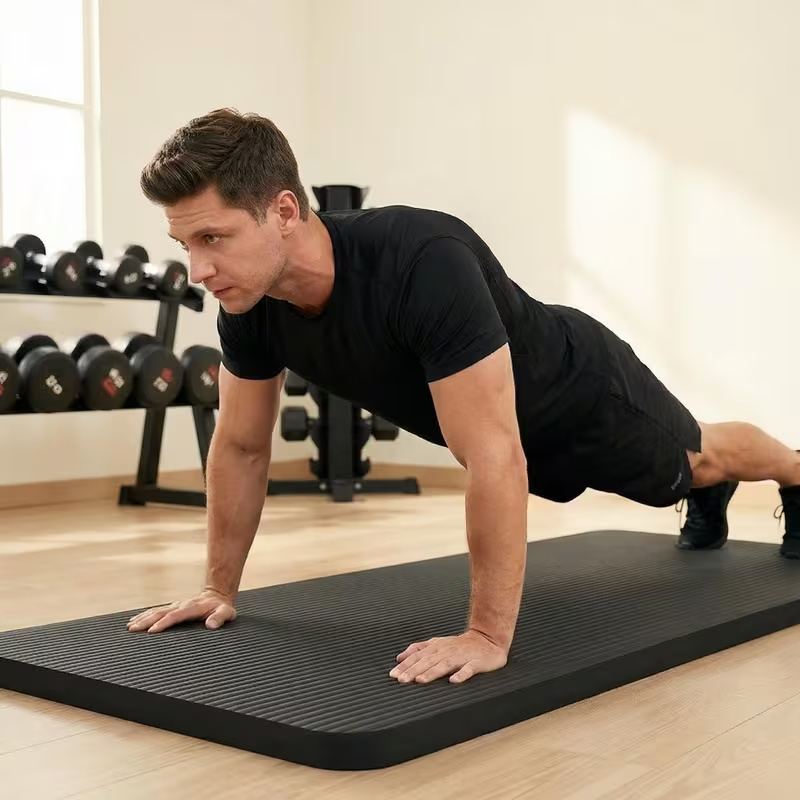
A thick, stable mat. Several of these stretches are done lying down or kneeling, and comfort matters for consistency. The Thickened Extended Fitness Yoga Mat (10mm) gives generous cushioning for floor work. Our guide to choosing mat thickness covers the options in more detail.
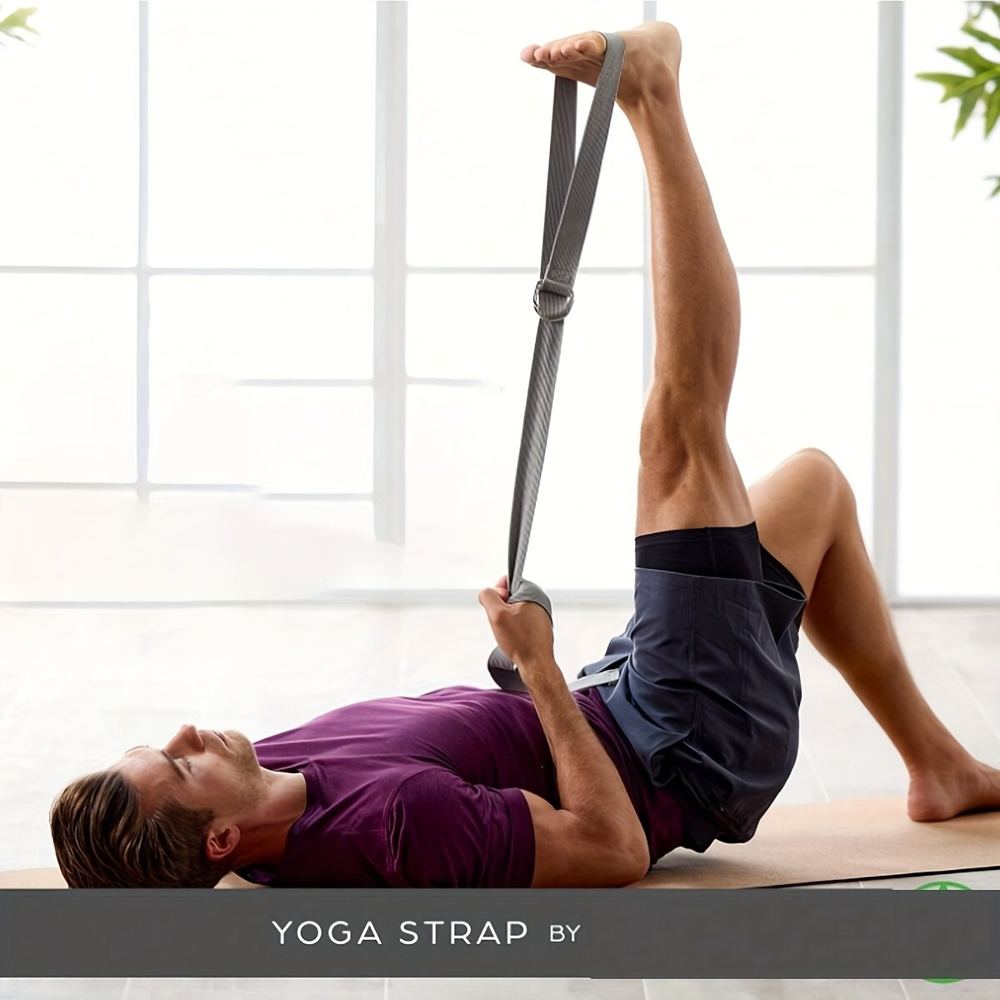
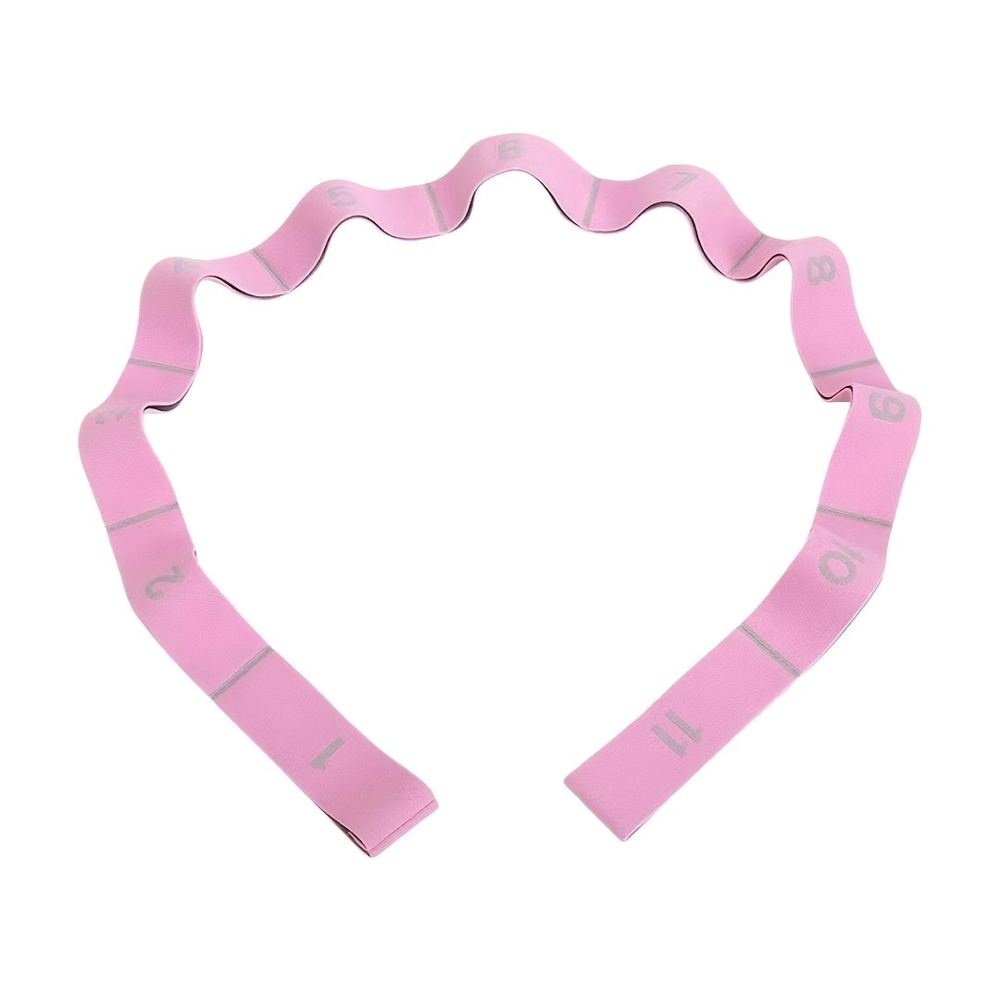
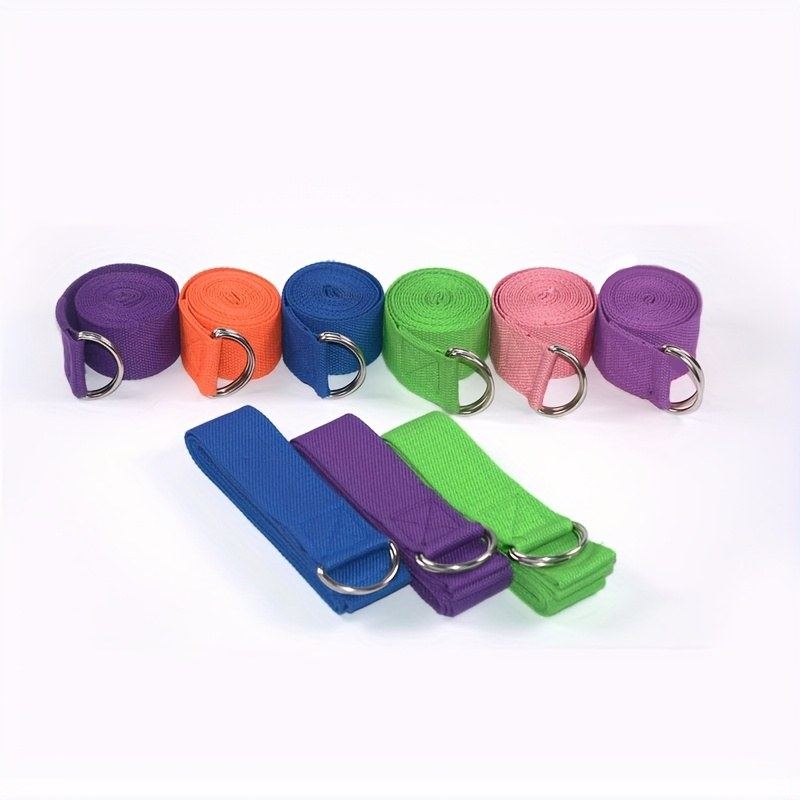
A stretching strap. The single most useful hamstring tool for beginners. A durable nylon yoga strap with a metal D-ring lets you hold supine stretches with a straight spine instead of rounding up to grab your toes — which is where most beginners go wrong. A belt works in a pinch, but a real strap adjusts in seconds.
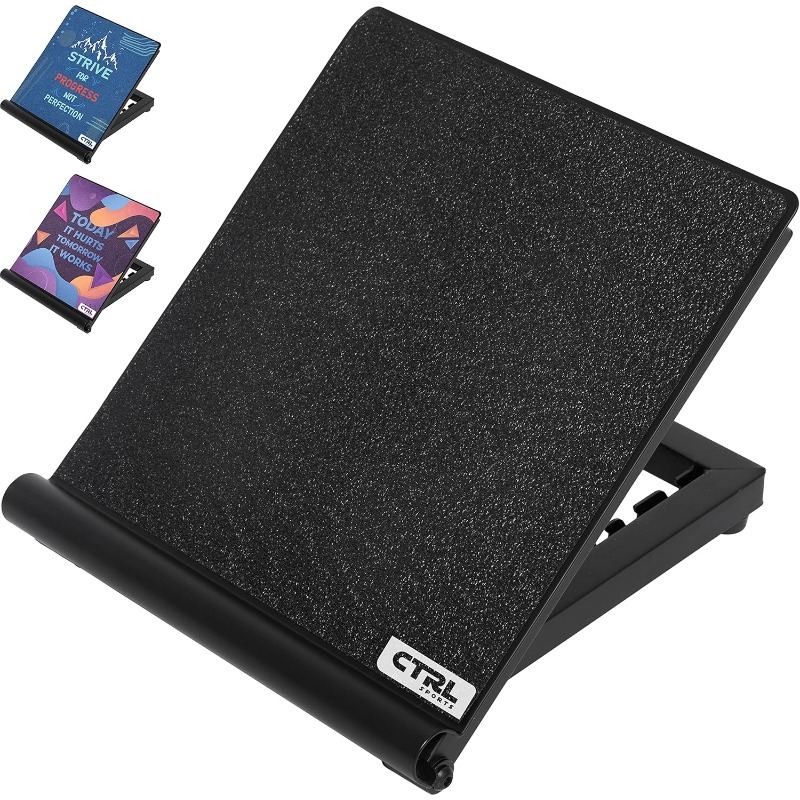
Optional: a slant board. The adjustable calf stretcher slant board is marketed for calves, but its five incline positions make it a genuinely useful hamstring tool too: standing calf-and-hamstring stretches on an incline reach deeper with less effort, and it doubles as a gentle ankle-mobility aid.
The Stretches (Easiest to Deepest)
Hold each stretch 45–60 seconds per side, breathing slowly — 5–6 breaths. Work at 5–6 out of 10 intensity: a clear stretch sensation in the belly of the muscle (mid-thigh), never sharp pain behind the knee. That behind-the-knee warning matters: pain there usually means you are stressing nerves or tendons rather than stretching muscle. Back off immediately if you feel it.
1. Supine Hamstring Stretch with Strap (the beginner's best friend)
Lie on your back, loop the strap around the ball of your right foot, and straighten the leg toward the ceiling, holding the strap with both hands and straight arms. Keep the left leg extended on the floor — or bent with the foot flat if your lower back prefers that. Starting position: shoulders relaxed on the floor, head down. Technique: flex the raised foot (toes toward you) and keep a soft bend in the knee if a fully straight leg pulls behind the knee. Why it works: the strap removes the back-rounding that ruins standing toe-touches; your spine stays neutral while the hamstring does all the work. Beginner modification: this IS the beginner modification — it is the safest hamstring stretch there is. Start here and stay here as long as you like.
2. Standing Hamstring Stretch (foot on a low step)
Place your right heel on a low step, stair, or sturdy box (knee height or below), toes pointing up. Keeping your back long, hinge forward at the hips until you feel the stretch in the back of the thigh. Technique: imagine pushing your hips back behind you rather than reaching your hands forward. Common mistake: rounding the back to get the hands lower; keep the spine long, even if you barely lean forward. Breathing: exhale as you hinge deeper.
3. Half Split (Ardha Hanumanasana)
From a low lunge with the right leg forward, shift your hips back over the left knee and straighten the right leg, flexing the foot. Fold forward over the extended leg with a long spine. Purpose: this yoga staple stretches the hamstring in a lunge context, which also opens the hip flexor of the back leg — two birds, one position. Beginner modification: place your hands on blocks (or sturdy books) on either side of the front leg instead of reaching for the floor; keep the front knee softly bent. Safety: keep the hips square — do not let the front hip hike up.
4. Seated Forward Fold (Paschimottanasana)
Sit with legs extended, feet flexed. Hinge at the hips and walk your hands down your legs — shins, ankles, feet, wherever you honestly reach today. Technique: lead with the chest, not the head. Beginner modification: sit on a folded blanket or cushion — tilting the pelvis forward changes the stretch dramatically. Bend the knees as much as needed; straight legs are not the goal.
5. Wide-Legged Standing Forward Fold (Prasarita Padottanasana)
Stand with feet wide (about a leg's length apart), toes slightly in. Hinge at the hips and fold forward, letting your head hang and your hands rest on the floor, blocks, or your shins. Purpose: the wide stance adds an inner-thigh and adductor stretch to the hamstring work. Technique: keep the weight balanced across the feet — do not dump it all into the heels or toes. Safety: if you feel dizzy folding forward, come up slowly and skip this one; it is optional, not essential.
6. Downward-Facing Dog (Adho Mukha Svanasana)
From hands and knees, tuck the toes, lift the hips up and back into an inverted V. Pedal the feet — bending one knee then the other — to settle into the hamstrings and calves. Purpose: the classic full-posterior-chain stretch: hamstrings, calves, and shoulders in one shape. Beginner modification: generous knee bend is not cheating, it is correct — the goal is a long spine and heels reaching toward the floor, not straight legs. Place hands on the slant board? No — better: place the feet on the slant board's incline to deepen the calf-hamstring line gently. Common mistake: collapsing the shoulders toward the ears; press the floor away and let the shoulder blades spread.
The Weekly Plan
| Day type | What to do | Time | | --- | --- | --- | | Stretch days (3–4×/week) | Stretches 1–4, both sides | ~12 min | | Full session (1–2×/week) | All 6 stretches, both sides | ~20 min | | After workouts | Stretches 1–3 as a cool-down | ~8 min |
Static hamstring stretches belong after activity or in the evening when muscles are warm — not as a cold start to the day. Before workouts, use dynamic leg swings instead. For a complete training framework around this mobility work, see our beginner home workout plan for women and how often women should work out.
Stretching vs. Strengthening: The Hamstring Edition
This deserves emphasis because it is the most common reason hamstring programs "fail." The hamstrings of many desk workers are long and weak, not short — they feel tight because they are constantly under tension, like a rope pulled taut. Stretching a rope that is already taut does not help; strengthening it so it stops overworking does. Signs you need strength more than stretching:
- Stretching gives relief for an hour, then the tightness returns fully
- Your hamstrings cramp during bridges or deadlift patterns
- You can touch your toes but still feel "tight" all the time
The fix: add 2 weekly sessions of glute bridges, bodyweight Romanian deadlifts (hip-hinge pattern, light), and Nordic curl negatives if you are ready for them. Keep the gentle stretching — just stop expecting it to do the strengthening's job.
Common Mistakes
- Chasing the toes. The goal is a felt stretch in the muscle belly, not a hand-to-foot measurement. Rounded-back toe-grabbing stretches the back more than the hamstrings and teaches a bad hinge pattern.
- Locking the knee hard. Hyperextending the knee to "straighten the leg" loads the joint instead of the muscle. A micro-bend is always acceptable.
- Bouncing. Ballistic stretching can trigger the stretch reflex and, in cold muscles, cause strains. Hold still; let time do the work.
- Stretching through behind-the-knee pain. Sharp or pinching sensations behind the knee are a stop signal, not a challenge. Reposition or skip the stretch.
- Only stretching, never strengthening. As above — the tightness that never resolves with stretching is usually asking for strength work.
- Comparing your range to someone else's. Hamstring length varies enormously with anatomy — hip socket depth, limb proportions, and genetics all matter. Your only valid comparison is your own range last month.
FAQ
Q: How long does it take to loosen tight hamstrings?
With consistent practice (3–4 sessions per week), most beginners notice meaningful improvement in comfort and range within 6–12 weeks. That is a typical range, not a promise — genetics, age, training history, and how much you sit all influence the pace.
Q: Should hamstring stretches hurt?
No. A stretch should feel like a firm, tolerable pull in the muscle — roughly 5–6 out of 10. Sharp, stabbing, or behind-the-knee pain means stop and reposition. Mild discomfort that eases as you hold the stretch is normal; pain that increases is not.
Q: Can I stretch my hamstrings every day?
Yes, if you keep it gentle. Daily easy stretching is well tolerated by the hamstrings. Save the deeper, longer-held sessions for 3–4 days a week, and keep daily work at a comfortable intensity — especially if you are also training legs hard.
Q: Why do my hamstrings feel tight even though I can touch my toes?
Because "tight feeling" and "short muscle" are different things. Hamstrings that are weak, fatigued, or constantly tensed from sitting can feel tight at any length. If you have good range but persistent tightness, shift emphasis toward hamstring and glute strengthening rather than more stretching.
Q: Is it safe to stretch hamstrings with lower back pain?
Gentle supine stretches (like the strap stretch above) are usually fine and often feel good, because the back stays supported. Avoid aggressive standing forward folds that load the spine while it is vulnerable. If back pain is significant, persistent, or radiates down the leg, get assessed before self-treating — that pattern can indicate a disc or nerve issue that stretching will not fix.
The Bottom Line
Loosening tight hamstrings safely comes down to a short list: favor supine and supported stretches while you are learning, hinge at the hips instead of rounding the back, keep the intensity moderate, breathe through every hold, and pair the stretching with hamstring and glute strength. Do that three to four times a week, measure progress in months rather than days, and respect the difference between a stretch sensation and pain. Your hamstrings have been patient with you through years of chairs — return the favor with a little patience of your own.