Your first month of exercise, mapped week by week. A gentle starter roadmap with workouts, rest days, and the habits that make training stick.
Your First 30 Days of Exercise: A Complete Starter Roadmap
Starting to exercise sounds simple and feels enormous — a thousand conflicting plans, an unfamiliar body, and soreness arriving around day four whispering this was a mistake. It wasn't. What most beginners lack isn't motivation — it's a roadmap: what to do this week, what changes next week, what's supposed to feel hard versus what's a warning sign. Here it is — your first 30 days, week by week.
This guide contains affiliate links. If you buy through them, VÉLORA may earn a commission at no extra cost to you.
Before Day 1: Set Up for Success
The first month goes better when logistics are handled in advance — not because gear makes you fit, but because friction kills habits.
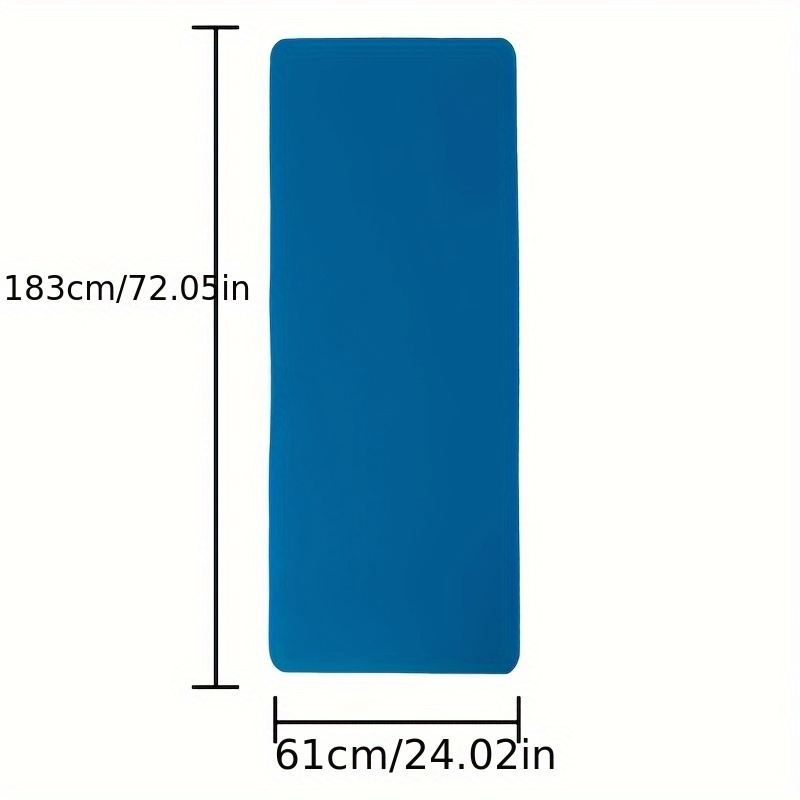
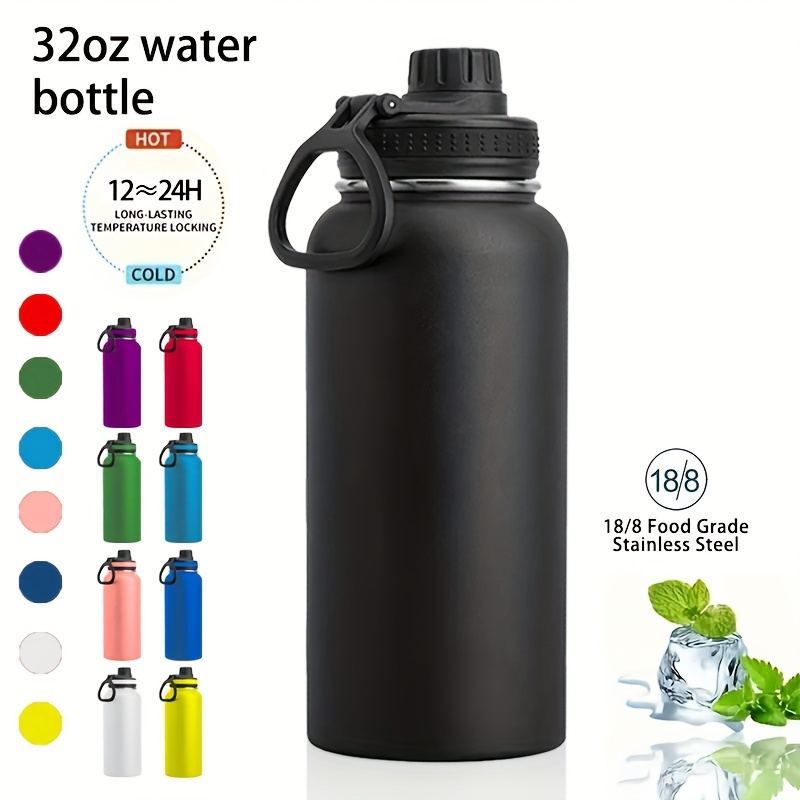
The starter gear that actually matters: a comfortable surface, water, and shoes you can move in. An 8mm non-slip yoga mat for home workouts cushions knees, wrists, and back without feeling wobbly. A 950ml double-wall insulated water bottle keeps water cold all session — dehydration makes everything feel harder. Add shoes (or bare feet on the mat) and a sturdy chair. That's the kit.
Pick your time and protect it. Habits stick when they happen at the same time in the same place. Choose a 20–30 minute window you can realistically defend 2–4 days a week. Lay out your clothes the night before. Put your mat where you'll trip over it. Make starting the easiest decision in your day.
Note your baseline. No measurements or before-photos required (unless you want them). Just note honestly: how long can you walk comfortably? Can you do a wall push-up? A squat to a chair? This isn't a test — it's the "you are here" pin, so day 30 has something to compare against.
For a companion starter plan, our beginner home workout plan for women pairs well with this roadmap.
Week 1: Build the Habit (Days 1–7)
One goal: show up 2–3 times for 15–20 minutes. Not intensity — repetition of the act of starting.
Each session follows the same shape:
- Warm up (3–5 min): march in place, gentle arm circles, hip circles, a few bodyweight squats to a chair. Warmer and looser — never winded.
- Main work (8–12 min): walk in place for 5 minutes at a comfortable pace, then one easy round of:
- Chair squats: sit back until you lightly touch a sturdy chair, stand up. 8–10 reps.
- Wall push-ups: hands on a wall at shoulder height, step back, bend elbows, press back. 8–10 reps — far enough to feel like work, close enough that you could do more.
- Dead bugs: on your back, arms to the ceiling, knees over hips; slowly lower opposite arm and leg toward the floor, return, switch. 5–6 per side, slow and controlled.
- Cool down (2–3 min): ease the marching to a stop, then gentle stretches for calves, thighs, chest, and shoulders, 15–30 seconds each without forcing.
Rest at least one full day between sessions — Monday, Wednesday, Saturday works, or whatever fits your life.
Soreness vs. pain — learn this now. Mild muscle soreness appearing 24–48 hours after a session (the "stairs are interesting today" feeling) is normal and fades within a couple of days. Sharp pain, pain in a joint rather than the muscle, dizziness, or chest pain are stop signs, not badges of honor. See a professional about anything persistent or severe.
Week 2: Add a Session, Add a Little Challenge (Days 8–14)
If week one went reasonably well: one more session (3–4 total), slightly more challenge, still 15–25 minutes each.
- Sessions 1–2: repeat the week-one circuit for two rounds, resting 60–90 seconds between rounds.
- Sessions 3–4: keep two rounds and try small upgrades — squat deeper (heels down, back neutral), move push-ups to a sturdy table, or add 2–3 minutes to your walk.
Consider introducing light resistance if bodyweight moves feel manageable: light dumbbells or a band for one or two exercises, keeping the rest bodyweight.
Week two is when the novelty wears off and many beginners decide they're "bad at this." You're not — you're in the normal adaptation curve, and the fact that it feels like work is the process working. For low-motivation days, our home workout motivation guide has strategies that genuinely help.
Week 3: Your First Simple Strength Structure (Days 15–21)
Your body knows the basic vocabulary now. Give it structure: two full-body strength days plus 1–2 lighter movement days (walks, gentle stretching).
Full-body day A (20–30 min):
- Warm-up: 5 minutes easy marching + arm/hip circles
- Chair squats: 2–3 sets of 8–12 reps
- Wall or table push-ups: 2–3 sets of 8–12 reps
- Bent-over rows (light dumbbells, band, or water bottles): 2–3 sets of 10–12 — hinge at the hips, back flat, pull elbows to ribs
- Dead bugs: 2 sets of 6–8 per side
- Glute bridges: lift hips until knees-hips-shoulders form a line, squeeze, lower slowly — 2 sets of 10–12
- Cool down and stretch: 5 minutes
Full-body day B: same template with small swaps — step-back lunges (chair for balance) instead of squats, countertop push-ups instead of wall push-ups.
Rest 60–90 seconds between sets, leaving 1–2 reps "in the tank" — week three is not for finding limits. For joint-friendly options, see low-impact workout plan for beginners.
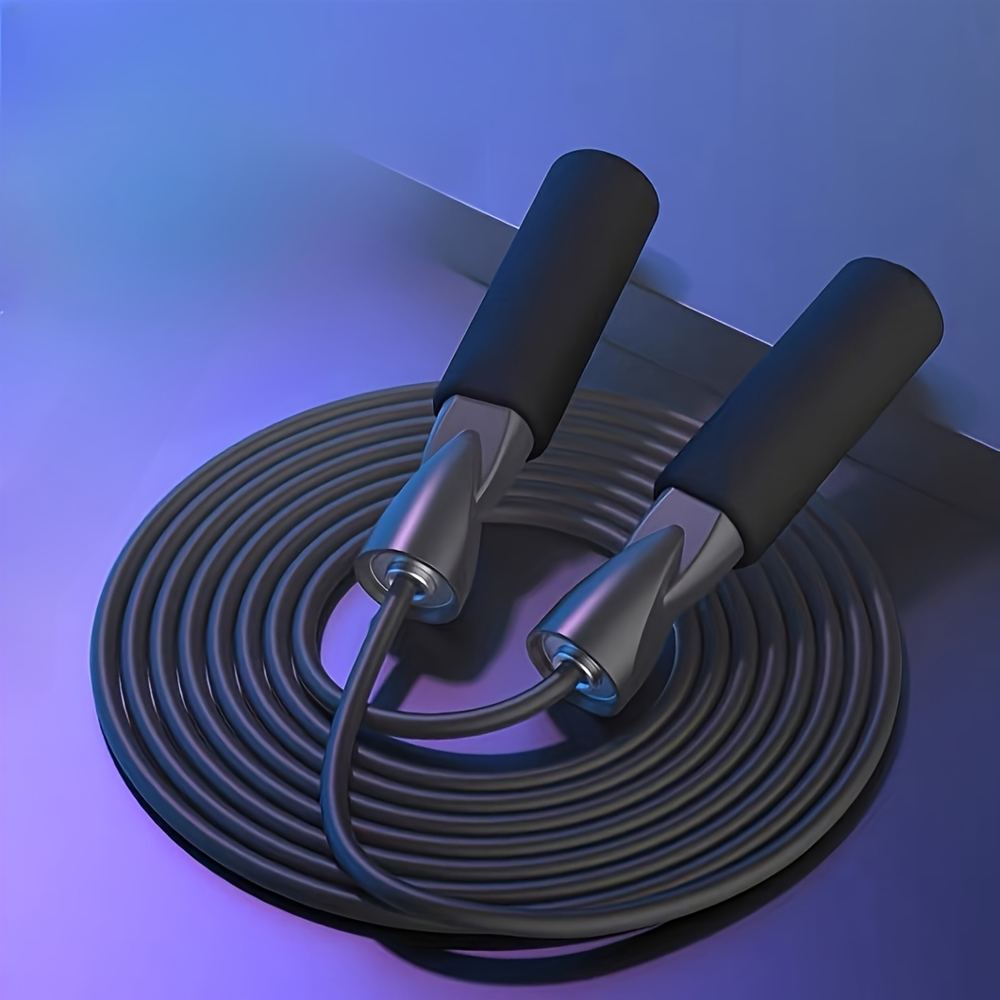
Optional cardio sprinkle. Add 5 minutes of easy jump rope — an adjustable racing jump rope with double bearings turns smoothly and sizes to your height — or a few extra brisk-walking minutes. Keep it playful: trip, laugh, keep going.
Week 4: Consolidate, Review, Plan Month Two (Days 22–30)
Week four isn't about doing more — it's about owning what you've built. Repeat the week-three structure and focus on quality: deeper squats with the same control, smoother push-ups, better balance on lunges.
Before day 30 ends, take 10 minutes to review:
- Compare with your baseline. More reps? Longer walks? Moves feeling natural? Write down what's changed — you'll forget otherwise, and future-you deserves the evidence.
- Audit the habit. Which time slot actually worked? What almost derailed you, and what would fix it? (Common fix: a backup 10-minute "minimum" workout so the streak survives chaotic days.)
- Plan month two loosely. Same structure for another 2–4 weeks? A third strength day? A longer weekend walk? The plan that continues beats the perfect plan you never start.
The honest note about 30 days. Thirty days builds the habit — not a transformation. You'll likely feel stronger, move better, sleep deeper. You won't look like a different person, and anyone promising otherwise is selling something. Bodies change over months, and results vary with genetics, age, sleep, nutrition, and consistency. What's remarkable about day 30: exercise is now something you do, not something you plan to do someday.
Your Sample Weekly Schedule
Move days around freely — the pattern matters more than the specific days.
| Day | Week 1 | Weeks 2–3 | Week 4 | |---|---|---|---| | Monday | 15-min session | 20-min session (2 rounds) | Strength day A (25–30 min) | | Tuesday | Rest | Rest | Light walk or stretch (15–20 min) | | Wednesday | 15-min session | 20-min session (2 rounds) | Rest | | Thursday | Rest | 20-min session | Strength day B (25–30 min) | | Friday | Rest | Rest | Rest | | Saturday | 15-min session | 20-min session (2 rounds) | Light walk or stretch (20–30 min) | | Sunday | Rest | Rest | Review + plan (10 min) |
Weekly total: roughly 45 minutes in week one, building to about 90 by week four — less than most people spend scrolling in a single evening.
Rest Days Are Part of the Plan
Rest days aren't failures or "cheating." They're when your body adapts — soreness repair, energy restoration, and the neurological learning of new movements all happen between sessions.
A good rest day isn't couch-only: a walk or easy stretching promotes recovery better than total stillness. Think "active recovery" — move because it feels good. And protect your sleep: 7–9 hours is when most recovery happens.
Habit Tips That Actually Work
- Same time, same place. Automate the when and where so willpower isn't involved.
- Lay out clothes the night before. Removes the first excuse of the day.
- Track checkmarks, not perfection. An X on a calendar for each workout day is weirdly powerful.
- The 10-minute rule. On skip-days, commit to just 10 minutes — starting is the whole battle.
- Tell one person. A friend or partner creates gentle, free accountability.
- Keep water visible. Keep that insulated water bottle filled and within reach all day.
Common Mistakes in the First Month
- Too much in week one. A heroic 60-minute day one leads to days of crippling soreness, then quitting. Start embarrassingly easy.
- Comparing with experienced exercisers. Compare yourself only to your day-one baseline.
- Skipping warm-ups and cool-downs. Five easy minutes before and after protects joints and cuts next-day soreness.
- Training through sharp pain. Soreness fades; joint pain, dizziness, and chest discomfort are signals to stop and get checked.
- Changing the plan weekly. Program-hopping feels productive but prevents adaptation. Give this roadmap the full 30 days.
- All-or-nothing thinking. Missed three days? Just do the next session. The only failed month is the one you abandon.
FAQ
Q: What if I miss days — or a whole week?
Nothing breaks. Pick up with the next session; don't "make up" missed workouts by doubling up — that's how injuries happen. Miss a full week? Repeat the previous week. Consistency over months beats any single week.
Q: How sore should I expect to be?
Mild to moderate muscle soreness for 1–3 days after the first couple of sessions is normal — it fades noticeably by week two or three as you adapt. If soreness is so severe you can't move normally, scale the next session back. Soreness that never fades, or pain in joints rather than muscles, deserves attention.
Q: Do I need a gym?
No — not for the first 30 days, and honestly not for months after if you don't want one. Everything here works in a living room with a mat and your bodyweight. A gym becomes useful later for heavier weights or machines, but it's never a prerequisite for getting fit.
Q: When should I add weights?
When bodyweight versions feel genuinely easy — clean form, several reps left, two sessions running. Usually weeks 3–4 for lower body, later for upper. Start light (2–5 lbs upper, 5–10 lower), one or two exercises at a time.
Q: What comes after day 30?
Keep the structure and deepen it: a third strength day, gradually more weight or reps, new movement variations, a longer weekend walk. Many women happily train at home for a year or more before ever wanting a gym.
Q: I'm over 50, have an old injury, or haven't exercised in years. Is this safe?
The principles — start easy, progress gradually, respect pain signals — apply at every age. But with a medical condition, old injury, joint replacements, heart issues, or pregnancy/postpartum, check with your healthcare provider first, and consider a trainer session to adapt the movements. A modified start is wisdom, not weakness.
Conclusion
Your first 30 days aren't about becoming an athlete — they're about becoming someone who exercises: regularly, kindly, without drama. Two sessions become three; "I should work out" becomes "it's Tuesday, I work out on Tuesdays." Respect rest days, track your checkmarks, be patient with the mirror. On day 30 you won't be transformed — you'll be something better: started.