Stairs feel like a mountain two days after leg day? That's DOMS. Learn what causes it, how long it lasts, what helps, and warning signs.
DOMS Explained: Why Muscles Ache After New Workouts
You tried a new workout class, or went back to the gym after a long break, or finally did that lower-body session you'd been avoiding. The workout itself felt fine. Then, the next morning — or worse, two mornings later — your legs refuse to cooperate with stairs, and sitting down requires a strategy.
That delayed ache has a name: DOMS, or delayed onset muscle soreness. It's one of the most universal experiences in fitness, it's almost always harmless, and understanding it makes it much less alarming. This guide explains what DOMS actually is, how long it typically lasts, what genuinely helps, and — importantly — how to tell normal soreness apart from something that needs professional attention.
This guide contains affiliate links. If you buy through them, VÉLORA may earn a commission at no extra cost to you.
What DOMS Is, in Plain Language
DOMS is the stiffness, tenderness, and aching you feel roughly a day or two after exercise that's new, harder, or different from what your body is used to. It's "delayed" because the worst of it doesn't hit during or right after the workout — it shows up later, which is exactly what makes it so confusing the first time.
Here's what's happening inside the muscle. When you do something your muscles aren't conditioned for — especially movements where the muscle lengthens under load (think the lowering phase of a squat, downhill walking, or slowly lowering a weight) — you create tiny disruptions in the muscle fibers. This is called exercise-induced micro-damage. Your body responds with a normal repair process: mild inflammation, fluid shifts, and increased sensitivity in the area. That repair response is what you feel as soreness.
Two things worth knowing:
- Eccentric movements (muscle lengthening under tension) cause the most DOMS. That's why the first run downhill, the first set of slow push-up lowers, or a new dance class leaves you sorer than an equivalent amount of easy cardio.
- DOMS is not lactic acid. Lactic acid clears from muscles within about an hour of exercise. Soreness that arrives 24–48 hours later is a different process entirely.
And no — being sore doesn't mean you had a "good" workout, and not being sore doesn't mean your workout failed. Soreness mostly reflects novelty, not effectiveness. Experienced lifters can have excellent sessions with minimal soreness because their bodies are adapted.
The Typical DOMS Timeline (Ranges, Not Promises)
Everyone's timeline differs, but DOMS usually follows a familiar pattern:
- 0–12 hours after exercise: you may feel fine, or just pleasantly tired. This is the deceptive calm.
- 24–48 hours: soreness typically peaks. This is the "why did I do this" window. Stiffness, tenderness to touch, and reduced range of motion are all normal here.
- 48–72 hours: soreness generally fades. Movement starts feeling normal again.
- Up to 5–7 days: after a very novel or intense session, mild residual soreness can linger up to a week. That's still within the normal range.
These are ranges, not guarantees — results vary with your fitness level, the novelty and intensity of the workout, sleep, hydration, and even genetics. If soreness from a single session lasts well beyond a week without improving, that's worth mentioning to a professional.
What Actually Helps (and What Doesn't)
Let's separate the genuinely useful from the wishful.
What helps
- Light movement. A walk, easy cycling, or gentle mobility work increases blood flow without adding damage. This is the single most reliable way to feel better faster. See our active rest day ideas for options.
- Sleep. Muscle repair happens largely while you sleep. Shortchanging rest slows the whole process — more on that in our exercise and sleep guide.
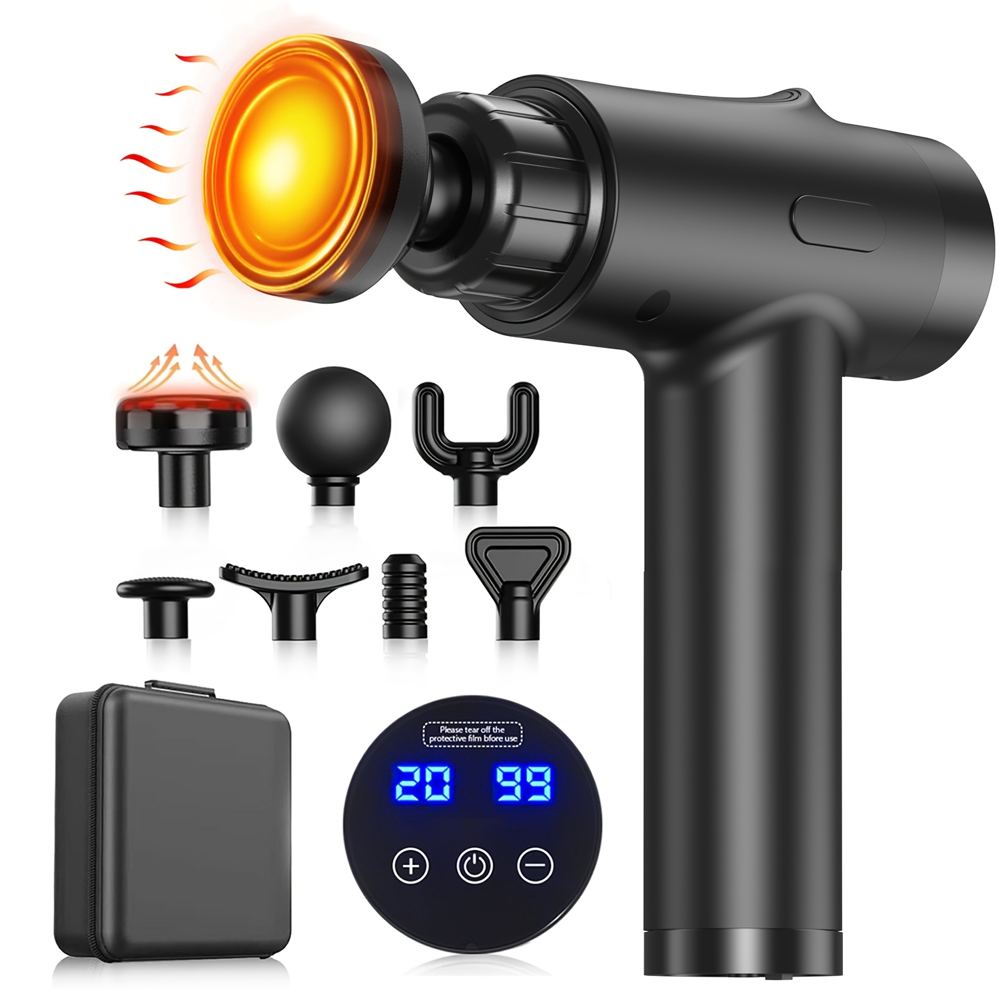
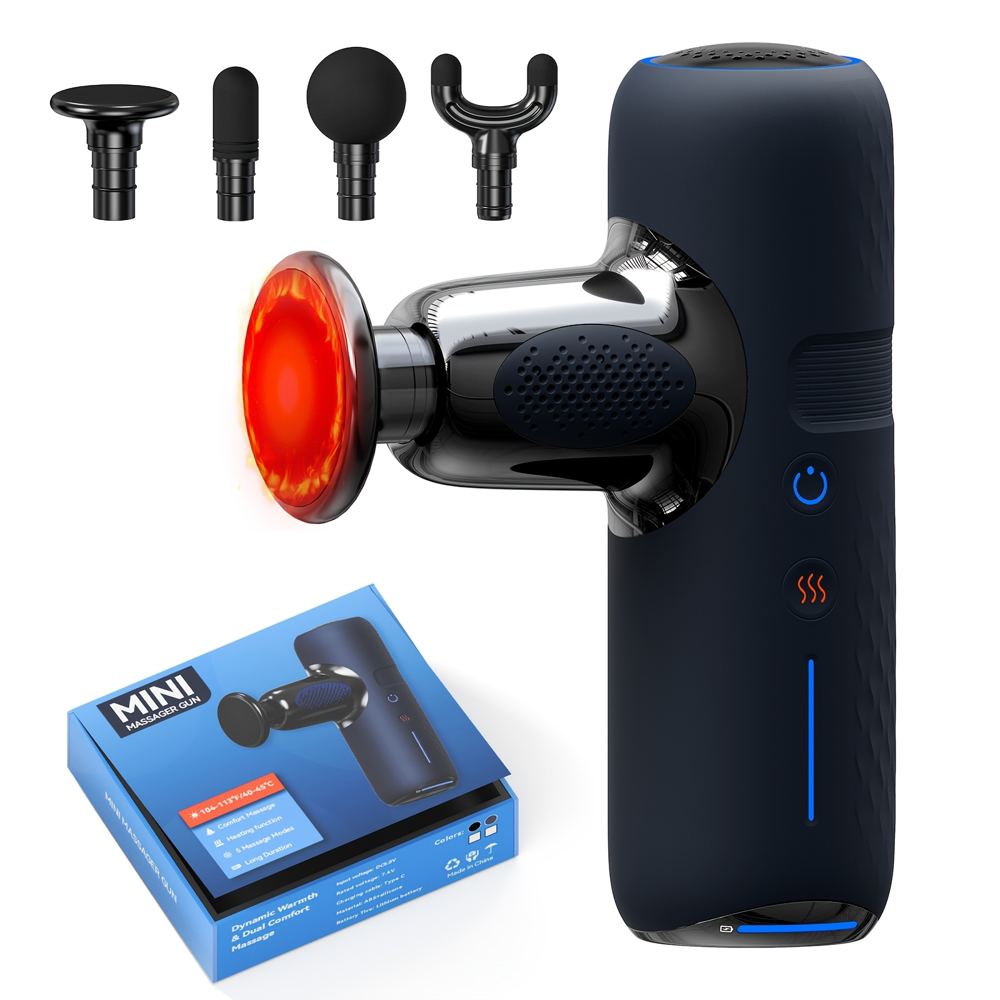
- Gentle massage or self-massage. Easy massage can temporarily ease the ache. An athlete deep-tissue massage gun used at a low-to-moderate setting for 30–60 seconds per sore area can loosen things up — keep it gentle on very sore muscles, since aggressive work on already-tender tissue can make it worse.
- Warm baths or showers. Comforting and relaxing; they won't repair muscle faster, but feeling better matters too.
- Time and consistency. The best long-term cure for DOMS is the repeated-bout effect: do a similar workout again within a week or so (at manageable intensity), and the soreness will be notably milder. Your body adapts quickly.
What doesn't help (or can backfire)
- Training the same muscles hard again. Working sore muscles at full intensity adds damage on top of damage. Train around the soreness or take it easy until it fades.
- "Sweating it out" with an intense workout. More hard exercise doesn't flush soreness away; it delays recovery.
- Aggressive stretching of very sore muscles. Gentle mobility is fine; forcing deep stretches into severely sore muscles risks strains.
- Anti-inflammatories as a routine strategy. Occasional use for comfort is a personal choice to discuss with a pharmacist or doctor, but regularly masking soreness can hide the signals your body uses to tell you to back off.
When Soreness Is a Warning Sign: See a Professional Promptly
Normal DOMS is achy, stiff, symmetrical (both legs, both arms), and improves over a few days. Some symptoms are not normal DOMS and deserve prompt professional attention:
| Symptom | Normal DOMS or warning sign? | What to do | |---|---|---| | Achy, stiff muscles 24–48h after a new workout | Normal DOMS | Light movement, rest, sleep; it should fade within days | | Tenderness when you press the muscle | Normal DOMS | Gentle self-massage is fine if it feels relieving | | Mild swelling in the worked muscles | Usually normal DOMS | Elevate and rest; monitor that it improves | | Sharp, sudden pain during exercise | Warning sign | Stop immediately; get assessed — could be a strain or tear | | Soreness in one joint only (knee, shoulder) with swelling | Warning sign | Rest it and see a professional; joint pain isn't DOMS | | Dark, tea-colored urine after intense exercise | Warning sign — seek care promptly | This can indicate rhabdomyolysis (muscle breakdown); get medical help without delay | | Severe swelling or bruising after a workout | Warning sign | See a professional promptly | | Soreness that worsens after 3–4 days instead of improving | Warning sign | Get assessed rather than waiting it out | | Numbness or weakness in a limb | Warning sign | Seek medical attention |
This isn't medical diagnosis — it's a common-sense map. The rule of thumb: DOMS is diffuse, achy, and gets better. Anything sharp, one-sided, joint-centered, or getting worse deserves a professional's eyes. For severe or persistent pain, don't try to self-manage — see a physiotherapist or doctor.
How to Reduce DOMS Next Time
You can't eliminate DOMS entirely, and you shouldn't want to — it's a sign your body is adapting. But you can take the edge off:
- Progress gradually. The biggest DOMS trigger is doing far more than your body is used to. Add volume or intensity in small steps, especially with new exercises.
- Warm up properly. 5–10 minutes of easy movement before harder work prepares muscles and connective tissue.
- Include the eccentric phase gently. If an exercise has a lowering phase (squats, push-ups, pull-ups), control it — but don't overload slow eccentrics the first time you try a movement.
- Cool down and move the next day. A proper cool-down plus light activity the following day beats lying completely still. Our low-impact workout plan for beginners is a good template for easing in without shocking the system.
- Repeat the workout within the week. Thanks to the repeated-bout effect, the second exposure to the same workout produces far less soreness. Consistency is the real DOMS cure.
Safety Notes
- This guide is educational, not medical advice. If you're unsure whether your pain is normal soreness or an injury, err on the side of getting checked.
- Rhabdomyolysis (rhabdo) is rare but serious: extreme muscle breakdown after very intense or novel exercise, signaled by severe muscle pain, swelling, and dark urine. It needs emergency care. It most often follows extreme single efforts far beyond someone's conditioning — another reason to progress gradually.
- If you take medications that affect muscles or kidneys (including some cholesterol medications), intense new exercise deserves a conversation with your doctor first.
- Pregnant and postpartum exercisers: some muscle soreness is still normal, but get provider clearance for your program and stop for warning signs like bleeding, fluid leakage, dizziness, or chest pain.
FAQ
Q: How long does DOMS last?
Typically it peaks 24–48 hours after the workout and fades over 3–5 days. After a very new or intense session, mild soreness can linger up to about a week. If it's not clearly improving after several days, or it's getting worse, get it checked.
Q: Should I work out when I'm sore?
Light movement — yes, it's actually helpful. A hard session targeting the same sore muscles — no, wait until the soreness fades. You can train other muscle groups, or do gentle cardio, mobility, or walking. Listen to the soreness: achy and stiff means go easy; sharp or one-sided means stop and assess.
Q: Does being sore mean my workout worked?
Not necessarily. Soreness mostly reflects how new the stimulus was, not how effective it was. As you repeat workouts, soreness decreases even as you get stronger — that's adaptation, not failure. Judge your program by progress over weeks (strength, endurance, how you feel), not by next-day soreness.
Q: What's the fastest way to get rid of DOMS?
There's no instant fix — the repair process takes the time it takes. The best-supported approach: keep moving lightly, sleep well, stay hydrated, and use gentle massage for comfort. Most people feel markedly better by day three or four.
Q: Can I prevent DOMS completely?
No — and you don't need to. Some soreness after new training is normal and harmless. You can minimize it by progressing gradually, warming up, cooling down, and repeating workouts consistently so your body adapts. The second time you do any workout is always easier than the first.
Q: Is it safe to use a massage gun on sore muscles?
Generally yes, with a light touch: low-to-moderate speed, 30–60 seconds per area, avoiding bones, joints, and any spot with sharp pain. On very sore muscles, gentler is better — aggressive percussive work on already-tender tissue can increase irritation rather than relieve it.
Conclusion
DOMS is your body's normal, healthy response to doing something new — tiny muscle disruptions, a repair process, and adaptation that leaves you more resilient than before. Expect it to peak around day two and fade within several days, ease it with light movement and sleep, and respect the warning signs that separate ordinary soreness from injury. The real takeaway? Soreness is temporary; the adaptation it signals is the whole point. Keep showing up, progress gradually, and the stairs will stop being your enemy.