You don't need a gym to be active. Learn how NEAT, active commuting, desk-break movement, and smart daily habits quietly transform a sedentary routine.
Building an Active Lifestyle Beyond the Gym
Somewhere along the way, "being active" got defined as "going to the gym." If you can't carve out an hour for a workout, the story goes, you're not really exercising. That's a shame, because it writes off the biggest source of daily movement most of us have: everything that happens outside the gym. The walk to the station, the stairs, the gardening, the pacing while on the phone, the play on the floor with the kids — this background activity has a name (NEAT), and for many people it matters more than their workouts do. This guide is about building a genuinely active life without rearranging your schedule around a gym.
This guide contains affiliate links. If you buy through them, VÉLORA may earn a commission at no extra cost to you.
What NEAT Is — and Why It Matters So Much
NEAT stands for Non-Exercise Activity Thermogenesis: the energy you burn through all movement that isn't formal exercise. Fidgeting, standing, walking to the kitchen, carrying laundry, cleaning, gardening — all of it. Researchers started paying attention to NEAT because it varies enormously between people, even people of the same size doing the same workouts. Two office workers with identical gym routines can have wildly different daily activity levels depending on what happens in the other 23 hours.
Here's the key insight: a one-hour workout is about 4% of your day. The other 96% is where NEAT lives. A person who trains hard for an hour then sits for eleven hours is, for most of the day, sedentary. Meanwhile, someone who never "works out" but walks to work, takes stairs, stands to cook, and gardens on weekends can end up moving far more overall. Neither approach is wrong — but if you only have energy for one change, making your day more active usually gives you more total movement than adding another workout.
The goal isn't to obsess over calorie burn. It's to redesign your default day so movement is the path of least resistance.
10 Ways to Build Movement Into a Normal Day
Each idea below includes a realistic time cost. Pick three to start — not ten.
1. Walk part of your commute (10–30 minutes). Get off transit one stop early, park at the far end of the lot, or walk the whole way if it's under 30 minutes. This is the single highest-yield change for many commuters because it happens twice daily, five days a week.
2. Stand up every 45–60 minutes (1–2 minutes each). Set a gentle timer. Stand, stretch your arms overhead, roll your shoulders, walk to get water. These micro-breaks add up to 10–15 minutes of movement across a workday and break the deep-sedentary stretches that leave you stiff.
3. Take calls walking (duration of the call). Phone calls are dead time for your body. Walk during them — around the room, around the block, up and down the hallway. A 20-minute call becomes 20 minutes of movement.
4. Make stairs the default (2–5 minutes). Unless you're carrying something heavy or have a knee issue, choose stairs. Two or three flights a few times a day is genuine leg and cardio work disguised as transit.
5. Cook standing and clean actively (20–40 minutes). Cooking dinner standing, washing dishes by hand, tidying with some pace — household work is real physical activity. Put on music and clean like you mean it for 15 minutes; it's movement with a visible reward.
6. Garden, even a little (20–60 minutes). Digging, weeding, carrying watering cans, squatting to plant — gardening is full-body functional movement. Even balcony pots count: the bending, lifting, and carrying all register.
7. Play actively with kids or pets (15–30 minutes). Floor play, chasing games, throwing a ball, a proper walk with the dog instead of a quick loop around the block. This is movement that doesn't feel like exercise because it isn't — it's living.
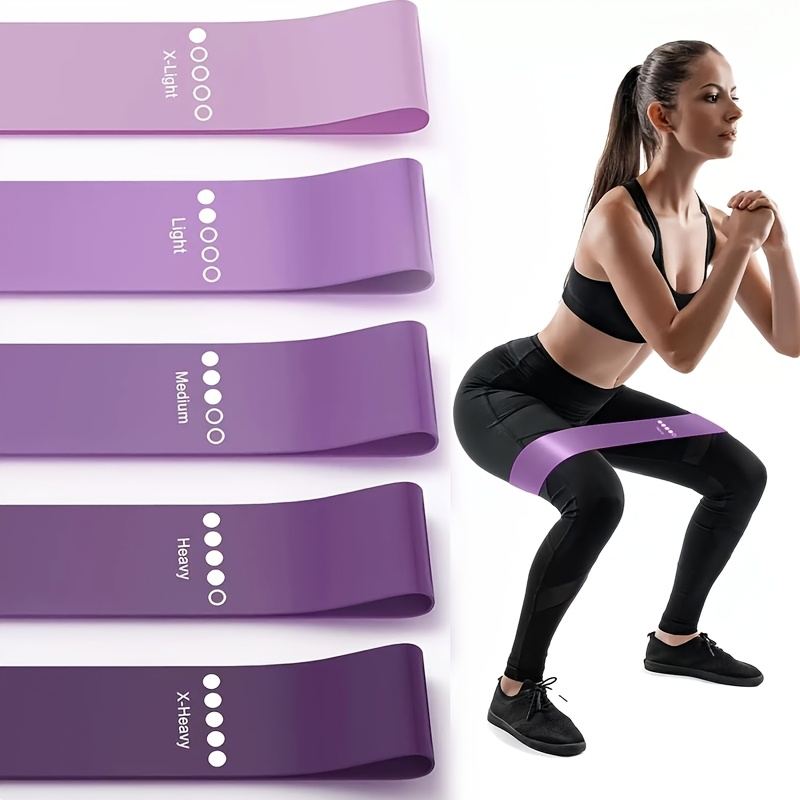
8. Do a 10-minute bodyweight circuit at home (10 minutes). Keep it simple: squats, push-ups (or knee push-ups), glute bridges, and a plank hold, done in rotation. A set of circular resistance loop bands lives in a drawer and turns this into real strength work — loop one above your knees for squats or around your hands for pull-aparts. No commute, no changing clothes, no excuses about time.
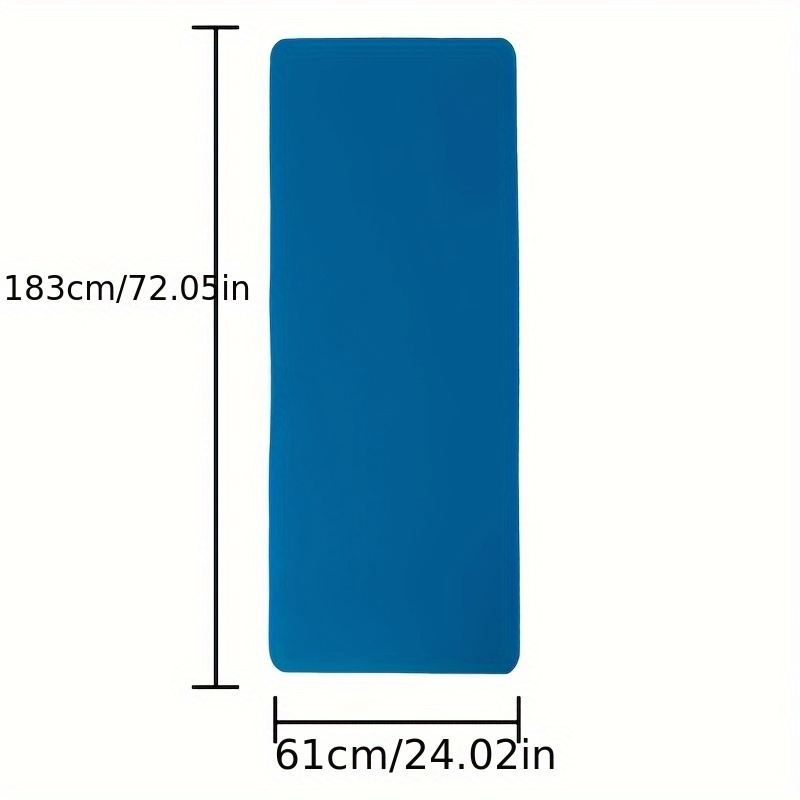
9. Stretch while watching TV (10–20 minutes). Unroll a mat during your evening show and do gentle stretches, hip openers, or a few yoga poses. An 8mm thick non-slip yoga mat makes floor time comfortable enough that you'll actually do it. This replaces the most sedentary hour of many people's day with gentle mobility work.
10. Walk after meals (10–15 minutes). A short post-meal walk is one of the easiest habits to anchor — it has a built-in trigger (finishing eating) and a built-in reward (you feel better than sitting). Two per day is 20–30 minutes of movement you barely notice.
For the science-minded, our NEAT explained guide goes deeper into why these small movements add up.
A Sample Active Day
To make this concrete, here's what an active-but-ordinary weekday can look like — no gym, no workout clothes required:
- 7:00 — Wake, stretch for 5 minutes while the kettle boils. Make the bed (yes, it counts as movement).
- 7:30 — Walk 15 minutes to the station instead of driving to it.
- 9:00–12:00 — Work with a stand-up-and-stretch break every hour (2 minutes each). Take one call walking.
- 12:30 — 10-minute walk after lunch, around the block.
- 15:00 — Stairs instead of the elevator for the afternoon errand. Walk to the farther printer.
- 18:00 — Walk home the long way: 20 minutes.
- 19:00 — Cook dinner standing; clean up actively with music on.
- 20:30 — 10 minutes of gentle stretching on the mat during a show.
Total intentional movement: roughly 60–75 minutes, spread across the day, most of it disguised as ordinary life.
Active Commuting: The Commute Is the Workout
If your commute is under 30 minutes by foot or bike, consider making it your exercise. Active commuting is the most time-efficient movement there is because it replaces time you'd spend sitting in traffic or a train with time spent moving. Practical notes:
- Start with 2–3 days a week, not five. Let your body and your logistics adapt.
- Keep work clothes separate if you'll sweat: pack them, or keep a set at the office.
- A backpack beats a shoulder bag for walking commutes — your back will thank you.
- In bad weather, have a backup: the bus one stop early, stairs at the office, a lunch walk. The habit survives if it flexes.
Cycling counts too, obviously — even an easy 15-minute ride each way is meaningful daily cardio. You don't need special gear to start; you need a working bike and a route you're comfortable with.
Desk-Break Movement That Actually Happens
The problem with desk-break advice is that most of it requires equipment or privacy you don't have. Here's a routine you can do in office clothes, in a small space:
- Stand and reach overhead — interlace fingers, press palms to the ceiling, hold 20 seconds. (Undo the desk hunch.)
- Shoulder rolls — 10 forward, 10 backward. Slow and deliberate.
- Standing march — lift knees to hip height, 20 total, at a gentle pace. Gets blood moving.
- Desk push-ups — hands on the desk edge, 8–12 reps. Real upper-body work, zero equipment.
- Calf raises — 15–20 slow reps while waiting for the kettle or the printer.
- Seated spinal twist — 30 seconds each side in your chair.
Do this 2–3 times across the workday — about 3 minutes per round. It won't replace a workout, but it transforms an 8-hour sit into something your body tolerates far better. If you want to turn desk breaks into a real habit system, our guide on building a sustainable workout habit covers the psychology of sticking with small routines.
Tracking Without Obsession
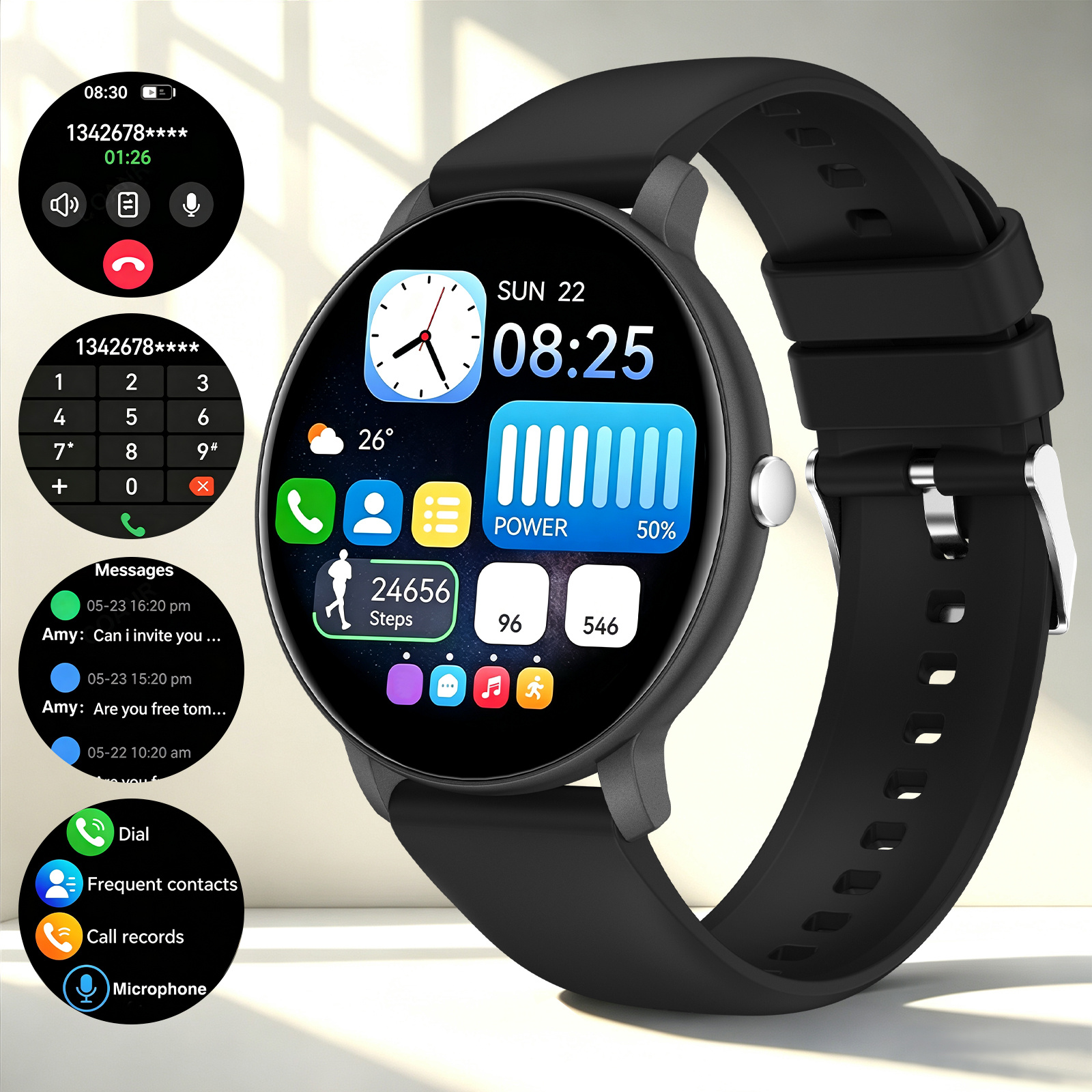
Awareness helps — a sports smartwatch that counts steps, tracks active minutes, and reminds you to stand can turn vague intentions into visible patterns. But the same rules apply as with any tracking: watch trends, not moments; a low day is information, not failure; and if checking becomes anxious, take a break from the numbers. The goal is a life with more movement in it, not a higher score. Your energy, mood, sleep, and how your body feels at the end of the day are the real metrics.
The Swap Table: Small Changes, Real Minutes
| Sedentary habit | Active swap | Time cost | |---|---|---| | Driving 10 min to the shops | Walk or cycle there | +10–20 min | | Elevator for 2 floors | Take the stairs | +1–2 min | | Sitting through phone calls | Walk during calls | 0 (same time) | | Scrolling during TV ads / breaks | Stretch or march in place | 0 (same time) | | Sitting 3 hours straight at desk | Stand/stretch every hour | +6–9 min total | | Quick drive-through errand | Walk the errand on foot | +10–15 min | | Evening scroll on the couch | 10-min mat stretch during a show | 0 (same time) | | Weekend lie-in till noon | Morning walk before brunch | +20–30 min |
Notice how many swaps cost zero extra time — they just replace sitting time with moving time. That's the whole philosophy: you're not adding hours to your day, you're changing what fills the hours you have.
For walking-specific guidance, including how pace affects benefits, see walking for weight management.

Common Mistakes
- Trying to change everything Monday morning. Pick two or three swaps. Master them for two weeks. Then add more.
- Counting only "real" exercise. If it doesn't look like a workout, many people discount it — but your body doesn't. The stairs count. The gardening counts.
- Buying gear before building the habit. You don't need equipment to walk more or take stairs. Add simple tools (bands, a mat) once the habit exists, to deepen it.
- All-or-nothing days. Missed your walk? The day isn't ruined — take the stairs, stretch in the evening, walk after dinner. Partial counts.
- Ignoring pain signals. New activity can cause mild muscle soreness, which fades. Sharp joint pain, chest discomfort, or dizziness deserve professional attention, not pushing through.
FAQ
Q: Can I be fit without going to a gym?
You can be genuinely active and healthy without a gym membership — many people are. Daily walking, stair climbing, household activity, gardening, and simple home strength work (bodyweight, resistance bands) cover cardio, strength, and mobility basics. A gym is convenient, not mandatory.
Q: How much daily movement do I actually need?
There's no single number, but a useful target is 30+ minutes of purposeful movement most days, plus breaking up long sitting periods hourly. That can be walking, cycling, active housework, or short home circuits — it doesn't have to be a workout. Results vary, and consistency matters more than any daily quota.
Q: How do I stay motivated without a gym routine?
Anchor movement to things you already do: walk after meals, stretch during shows, take calls walking. Habits attached to existing triggers need far less motivation than standalone workouts. And track how you feel — better energy and sleep are more motivating than any number.
Conclusion
An active lifestyle isn't a place you go — it's a way you move through the day you already have. The gym is one tool, but the stairs, the sidewalk, the kitchen, and the garden are tools too, and they're available every single day without a membership. Start with two or three small swaps, let them become invisible habits, and watch how different an "ordinary" day can feel when it's full of movement. Your body was built for this — not for the chair.