Barre workouts at home: a beginner's guide to the ballet-inspired method — what you need, key positions, a sample session, and honest safety advice.
Barre Workouts at Home: A Beginner's Guide
Barre looks deceptively gentle. A few minutes into your first plié series, though, your thighs are trembling and you understand the reputation: this ballet-inspired method builds muscular endurance through small, precise, high-repetition movements, usually with light weights and a support for balance. The good news is that barre workouts at home need almost no equipment — a sturdy chair replaces the ballet barre — and the method is genuinely beginner-friendly because you set the range of motion.
Barre blends elements of ballet, Pilates, and yoga into low-impact sessions that target the legs, glutes, and core. It is not a magic body-sculpting formula — no workout can promise specific aesthetic results — but it is an excellent way to build lower-body endurance, balance, and postural awareness without jumping or heavy weights.
This guide contains affiliate links. If you buy through them, VÉLORA may earn a commission at no extra cost to you.
What Barre Is (and Isn't)
A typical barre class moves through sections: a warm-up, arm work with light weights, thigh work at the barre (pliés, lunges), seat and glute work, core work on the mat, and stretching. Movements are small — think one-inch pulses rather than big sweeping reps — and each muscle group is worked to fatigue through endurance rather than heavy load.
What barre is not: it is not ballet (no dance background needed), it is not high-impact cardio, and it is not a replacement for progressive strength training if your goal is building significant muscle. Many women pair it with 1–2 heavier strength sessions a week. Our beginner home workout plan makes a good companion.
What You Need for Barre at Home
Very little — and you probably own most of it:
- A sturdy chair or countertop. This is your barre. It must not slide or tip: test it with your full body weight before the workout, and place it on a non-slip surface. A kitchen counter works well.
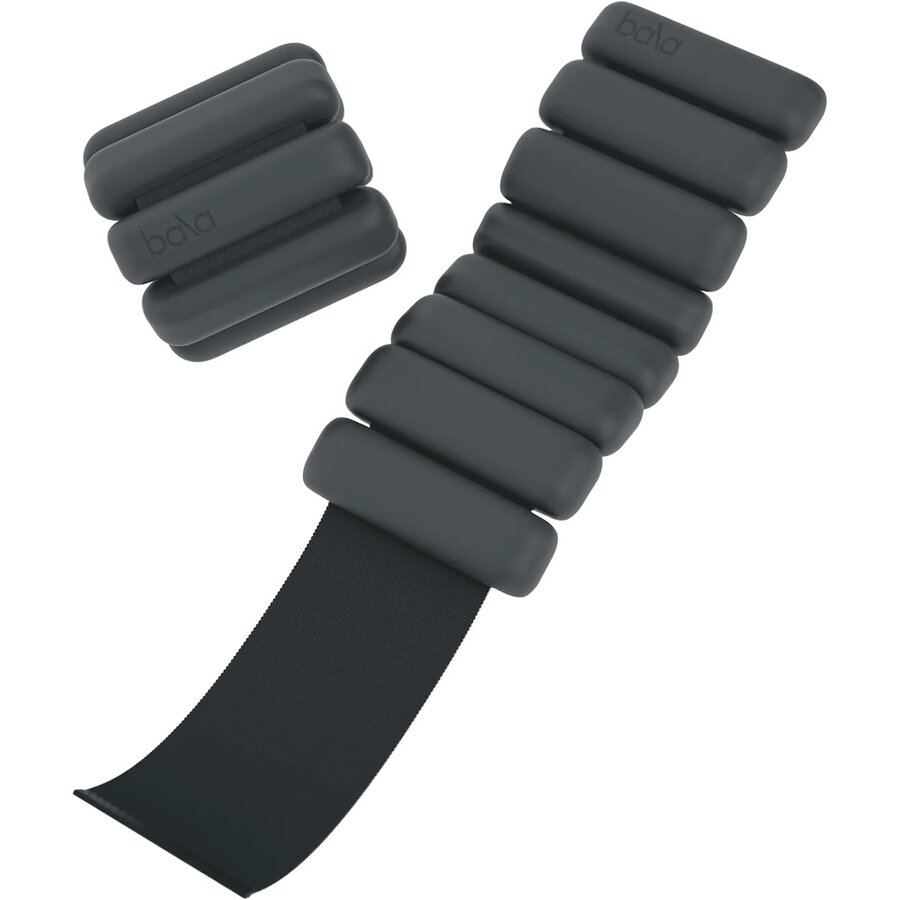
- Light weights (0.5–2 kg). Barre arm work uses high repetitions, so lighter is smarter. Wearable wrist and ankle weights are ideal because they free your hands. The Bala Bangles 3 lb Set works on wrists or ankles and stays put through pulses. Our guide to the best ankle weights for women compares more options.
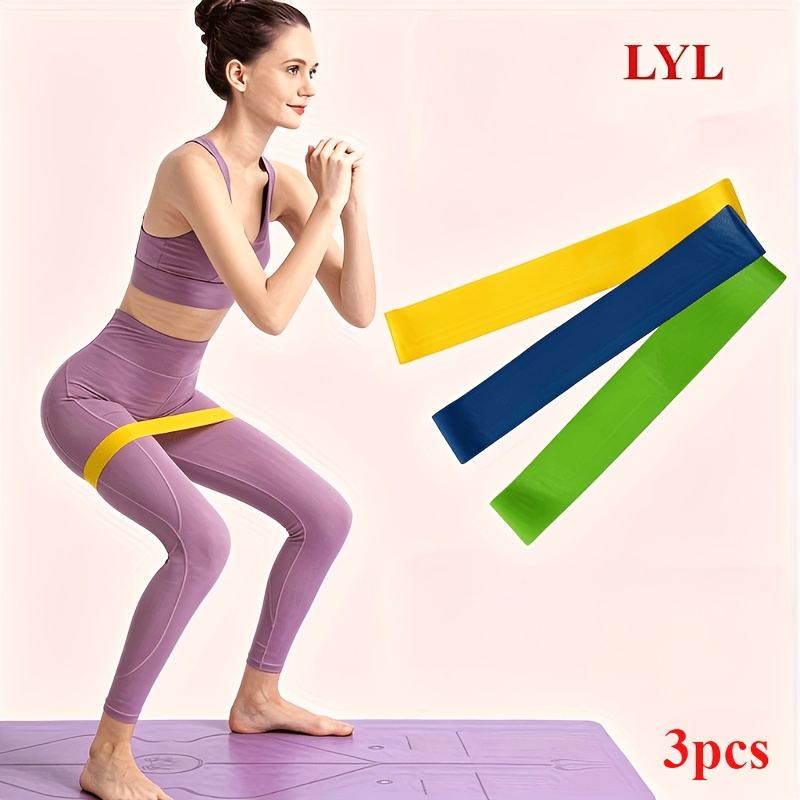
- A light loop band. Useful for outer-thigh and glute work at the barre. The 3pcs TPE Light Resistance Bands include gentle resistance levels that suit small barre movements.
- A mat. For the core and stretching sections. The 1pc 8mm Thick Yoga Mat cushions knees during kneeling glute work. If you are unsure about thickness, see our guide on choosing yoga mat thickness.
The Key Positions and Moves
Plié series (thighs and glutes)
Purpose: builds endurance in the quadriceps, inner thighs, and glutes.
Starting position: stand side-on to your chair, one hand resting lightly on it. Feet in a comfortable turned-out position — heels together, toes apart at an angle that feels natural for your hips (forcing turnout is a classic beginner mistake).
Technique: bend your knees to lower 5–10 cm, keeping your torso tall and knees tracking over your toes. Rise back up without locking the knees. That small bend is one rep; the burn comes from many reps, not depth.
Breathing: exhale as you press up, inhale as you lower.
Sets/reps: 2–3 sets of 12–20 slow reps per leg position, or 45–60 seconds of continuous small pulses.
Beginner modification: keep the range even smaller and hold the chair with both hands.
Common mistakes: bouncing at the bottom, letting knees cave inward, gripping the chair for dear life instead of using it for light balance.
Relevé and calf work
Purpose: strengthens calves, ankles, and foot stabilizers; trains balance.
Starting position: same chair support, feet hip-width apart or in first position.
Technique: rise onto the balls of your feet, pause one second at the top, lower slowly. Keep ankles straight — do not let them roll outward.
Sets/reps: 2–3 sets of 12–20 reps, or alternate 10 slow reps with 20 quick pulses.
Beginner modification: hold the chair with both hands and rise only halfway.
Seat and glute work at the barre
Purpose: targets the glutes and outer hips with minimal knee stress.
Starting position: face the chair, hands resting on it, one leg extended straight behind you, toes lightly touching the floor.
Technique: lift the back leg 10–15 cm, keeping hips square to the chair (do not twist open). Lower with control. For extra burn, add small pulses at the top of the range.
Sets/reps: 2 sets of 12–20 lifts per leg, plus an optional 20–30 seconds of pulses.
Beginner modification: skip the pulses and keep the lift small; wear the Bala Bangles on your ankles only once bodyweight feels easy.
Common mistakes: arching the lower back to lift higher — keep the lift small and the core braced.
Arm series with light weights
Purpose: muscular endurance for shoulders and arms.
Technique: with light weights or wrist bangles, do small lateral raises, front raises, and overhead presses in high-rep sets. Keep shoulders down away from your ears and stop if your neck takes over.
Sets/reps: 2–3 sets of 12–20 reps per movement, resting 30–45 seconds between sets.
Core finish on the mat
Purpose: deep core stability in the Pilates tradition barre borrows from.
Technique: forearm plank holds of 20–45 seconds for 2–3 rounds, or slow bicycle crunches at 8–12 per side. Keep breathing steady — never hold your breath through a plank.
Beginner modification: plank from the knees.
A Sample 25-Minute Barre Session
| Section | Time | What to do | | --- | --- | --- | | Warm-up | 3 min | March in place, arm circles, gentle pliés | | Arms | 4 min | Light-weight raises: 2 rounds of 15 reps | | Thighs at the barre | 7 min | Plié series: 2 positions × 2 sets | | Seat/glute | 6 min | Standing leg lifts: 2 sets per leg + pulses | | Core on mat | 4 min | Planks and slow bicycles | | Stretch | 3 min | Thighs, calves, hips, chest on the mat |
Do this 2–4 times a week on non-consecutive days at first; the small muscles barre targets fatigue quickly and need recovery.
Safety Notes and Who Should Be Careful
Barre is low-impact, but the high-repetition format can irritate knees if your alignment is off — keep knees tracking over toes in every bent-knee position and reduce the range at the first sign of joint discomfort. If you are pregnant, postpartum, or managing a pelvic-floor concern, get clearance from your provider first; deep pliés and prolonged pulsing may not suit everyone, and your provider's guidance comes before any guide. Stop any movement that causes sharp pain, dizziness, or numbness.
FAQ
Q: Do I need a real ballet barre for home barre workouts?
No. A sturdy chair, countertop, or even a heavy table does the job — it only needs to be stable and the right height for light balance support. Spend your money on light weights or bands instead.
Q: How many calories does barre burn?
It varies widely with body size, effort, and session length, and no honest source can give you a personal number. Barre is primarily a muscular-endurance and toning method, not a high-calorie cardio workout. Judge it by how your strength and balance improve, not by calorie estimates.
Q: Will barre make my thighs bulky?
Barre uses light resistance and high repetitions, which trains endurance rather than maximal muscle size — and how any individual's body responds to training varies with genetics, nutrition, and overall routine. Most women find it improves definition and posture rather than adding significant size.
Q: How is barre different from Pilates?
Both use small controlled movements and emphasize the core, but barre is done mostly standing at a support with more lower-body endurance work, while Pilates is mostly mat- or equipment-based with a stronger focus on spinal articulation and deep core sequencing. They complement each other well — see our resistance band workout guide for another low-impact option that pairs nicely with both.
Q: How often should a beginner do barre?
Two to three sessions a week is a sensible start, with rest days between. Because the movements are small, beginners often underestimate the fatigue — soreness 24–48 hours later is common and normal. Add a fourth session only once recovery feels easy.
The Bottom Line
Barre workouts at home ask for almost nothing — a chair, light weights, a band, a mat — and give back a lot: stronger legs and glutes, better balance, and a core that supports your posture all day. Start with the positions above, keep the movements small and precise, respect your knees, and let the burn build gradually. It is a method that rewards patience, and patience is exactly what makes a home routine last.
