Yoga mat materials compared honestly: PVC, TPE, rubber, and cork each feel different under your feet. Learn which mat suits your practice style, joints, and budget.
Yoga Mat Materials Compared: PVC, TPE, Rubber and Cork
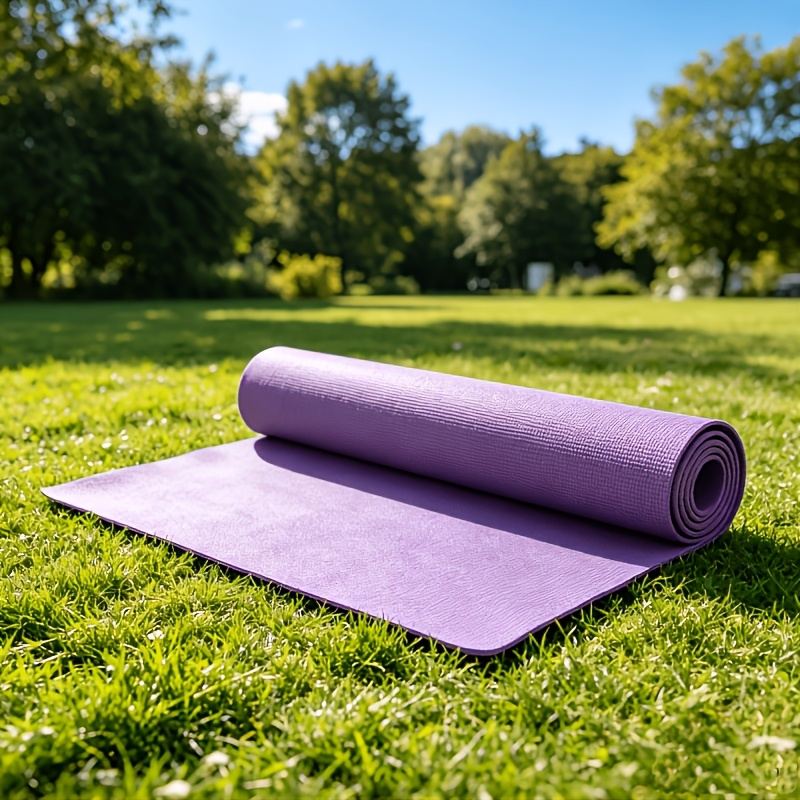
The mat you stand on shapes every practice you do. Grip determines whether downward dog feels steady or slippery; cushioning decides whether your knees forgive you during low lunges; weight decides whether the mat actually travels with you or stays rolled in the corner. And the single biggest factor behind all three is the material.
Most mats on the market today are made from one of four materials: PVC, TPE, natural rubber, or cork. Each has a distinct personality, its own strengths, and its own trade-offs. This guide compares all four — grip, cushioning, durability, weight, care, and who each suits best — so you can buy once and buy right.
This guide contains affiliate links. If you buy through them, VÉLORA may earn a commission at no extra cost to you.
Why Material Matters More Than Brand
A mat is the one piece of equipment a yogi uses every single session, often for years. Unlike a water bottle or a headband, it directly affects your safety: a slippery mat in a sweaty vinyasa class is a genuine slip risk, and a mat that is too thin for your knees can quietly discourage you from practicing kneeling poses at all.
Material also determines maintenance. Some mats wipe clean in seconds; others need gentle soap and air-drying. Some release a chemical smell for weeks; others smell like a forest from day one. Knowing what you are buying saves you the disappointment of discovering these things after the return window closes.
If you are just starting out, read our how to choose yoga mat thickness guide alongside this one — thickness and material work together, and the right combination depends on your body and practice style.
PVC (Polyvinyl Chloride): The Reliable All-Rounder
PVC is the most common yoga mat material in the world, and for good reason. A standard non-slip PVC yoga mat is affordable, widely available, and offers dependable grip in dry conditions.
Grip: Good when hands and feet are dry. PVC's closed-cell surface grips well in gentle flows, yin, and beginner classes. In hot, sweaty sessions it can get slippery — many practitioners layer a towel over their PVC mat for hot yoga.
Cushioning: Moderate. PVC mats are typically 4–6mm thick and dense, so they protect joints reasonably on wooden or studio floors without feeling unstable under balance poses.
Durability: Excellent. PVC is tough, tear-resistant, and holds its texture for years of regular practice.
Weight: Mid-range — usually 1–1.8 kg. Easy to carry to a studio.
Care: The easiest of all. Wipe with a damp cloth, occasionally with mild soap. It does not absorb water, so drying is fast.
Downsides: PVC is a plastic that is not biodegradable, and some mats release a noticeable chemical smell for the first few weeks (airing them out helps). It is the least eco-friendly option here, and sensitive noses may find it unpleasant.
Best for: Beginners, budget buyers, and anyone who practices gentle to moderate yoga on clean indoor floors.
TPE (Thermoplastic Elastomer): The Lightweight Modern Choice
TPE is a newer, engineered foam designed to be lighter and more eco-conscious than PVC while keeping costs low. It sits somewhere between PVC and rubber in feel.
Grip: Moderate to good. TPE mats usually have a textured surface that grips dry skin well. Like PVC, they lose grip when wet, so they are not ideal for hot yoga unless paired with a towel.
Cushioning: Good. TPE is softer and springier than PVC, which many people find kinder on knees and wrists. An extra-thick TPE-style mat can be a genuinely comfortable option for practitioners with sensitive knees.
Durability: Fair. TPE is softer, so it can dent, flake, or tear at the edges faster than PVC — especially if used with shoes on or on rough ground. Expect a shorter lifespan under daily use.
Weight: Very light — often under 1 kg. The best material on this list for travel.
Care: Wipe clean, dry flat. Avoid harsh detergents, which can break down the foam.
Downsides: Lower durability, occasional chemical smell when new, and slippery when sweaty.
Best for: Travelers, beginners on a budget, and gentle-practice yogis who want light weight above all.
Natural Rubber: The Grippy Performer
Natural rubber mats are the choice of many serious practitioners. Made from rubber tree sap, they offer the best grip of any material here — and they grip better when damp, which is the opposite of PVC and TPE.
Grip: Excellent, and it improves with moisture. Sweaty palms actually stick better to rubber. This makes rubber the top pick for vinyasa, power yoga, and hot yoga practitioners who move dynamically and need their mat to stay put.
Cushioning: Moderate to firm. Rubber is dense rather than squishy, so it feels stable under standing balances and inversions. Sensitive knees may want a mat 5mm or thicker.
Durability: Very good. Rubber resists tearing and holds texture well over years, though it can crack if left in direct sunlight or stored somewhere hot.
Weight: The heaviest option — typically 2–2.5 kg. These are studio mats, not travel mats.
Care: Wipe with a damp cloth. Keep out of sunlight and avoid oils and harsh chemicals, which degrade rubber.
Downsides: Heavier, more expensive, and has a distinct rubber smell that fades over weeks but never fully disappears. People with latex sensitivities should check whether a mat is latex-free before buying.
Best for: Regular practitioners, hot yoga fans, and anyone whose top priority is never slipping — including beginners still building stability.
Cork: The Natural, Self-Cleaning Option
Cork mats pair a thin cork top layer with a rubber or TPE base. They are the most eco-friendly choice and have a unique grip character: the cork surface grips more as it gets damp, like rubber.
Grip: Good to excellent in sweaty practice; moderate when fully dry. Many cork mat users lightly mist the surface before gentle classes. In hot yoga, cork is superb.
Cushioning: Minimal. Cork mats are typically 3–5mm and firm. They suit practitioners who like feeling the floor and want stability, not softness.
Durability: Good. Cork resists wear and naturally resists odors and bacteria growth (it contains a compound called suberin). However, the thin cork layer can chip at the edges if abused.
Weight: Light to mid-range — roughly 1–1.5 kg.
Care: Wipe with a damp cloth and mild soap; roll cork-side out to dry. Cork should not be soaked or machine washed.
Downsides: Firm under the knees, higher price, and a distinctive earthy smell. Not ideal for very sensitive joints unless you practice on carpet or use a knee pad.
Best for: Eco-conscious practitioners, hot yoga lovers, and anyone who wants a low-maintenance mat that stays fresh naturally.
Side-by-Side Comparison
| Feature | PVC | TPE | Natural Rubber | Cork | |---|---|---|---|---| | Dry grip | Good | Good | Excellent | Moderate | | Sweaty grip | Slippery | Slippery | Excellent | Excellent | | Cushioning | Moderate | Soft | Firm–moderate | Firm | | Durability | Excellent | Fair | Very good | Good | | Weight | Medium (~1–1.8 kg) | Light (<1 kg) | Heavy (2–2.5 kg) | Light–medium (~1–1.5 kg) | | Eco-friendliness | Low | Moderate | High (natural source) | Very high | | New-mat smell | Noticeable | Mild | Rubber, persistent | Earthy | | Price range | Budget | Budget | Mid–premium | Premium | | Best for | Beginners, gentle flows | Travel, light practice | Vinyasa, hot yoga | Hot yoga, eco buyers |
How to Choose: Five Questions to Ask Yourself
1. How sweaty do your sessions get? If the answer is "very" — hot yoga, power flows, or naturally sweaty palms — shortlist rubber or cork. If you practice gentle or restorative yoga, any material works.
2. How sensitive are your joints? Knee or wrist discomfort points toward TPE or a thicker PVC mat. Check our guide to the best yoga mat for bad knees for the full picture.
3. Where will you practice? Home practice on a hard floor rewards cushioning; a carpeted room lets you go thinner and firmer. Studio-goers who walk in should consider weight.
4. How much maintenance do you want? PVC and cork are the lowest-maintenance options. Rubber needs sun protection and gentle cleaning.
5. What matters to you about materials? If eco-friendliness is a value you hold, cork and natural rubber are the clear winners, and TPE is a step up from PVC.
Caring for Your Mat, Whatever It Is Made Of
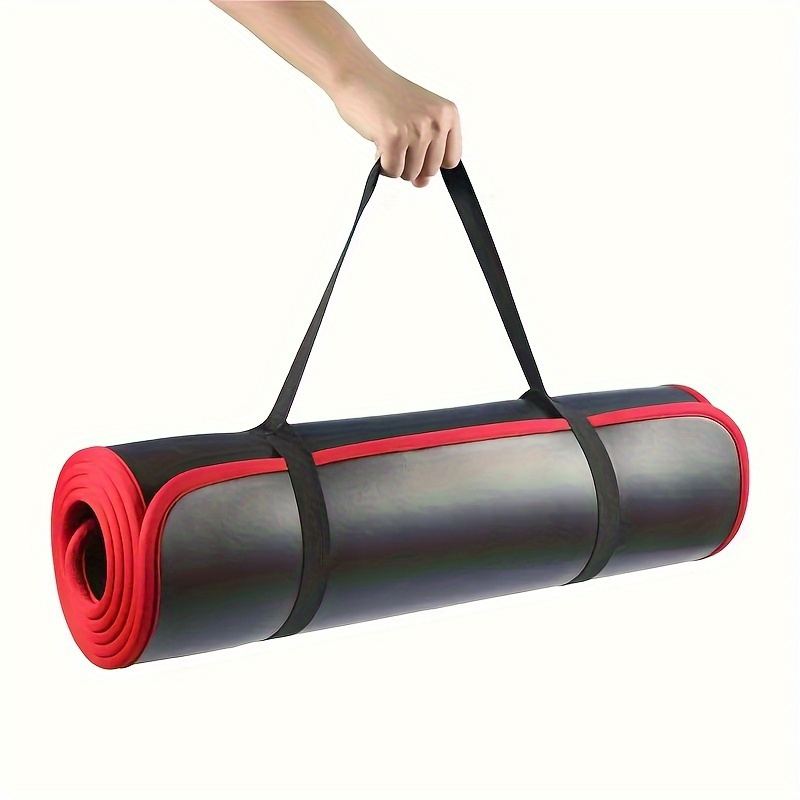
A few habits extend any mat's life. Always roll it with the top side facing outward to keep the edges flat. Store it rolled rather than folded, and keep it out of direct sunlight and hot cars. Clean it after sweaty sessions — a quick wipe prevents odor from building up — and let it air-dry fully before rolling it up again. With basic care, even a budget mat can serve you faithfully for years.
FAQs
Which yoga mat material is best for beginners? PVC is the most practical starting point: affordable, easy to clean, durable, and grippy enough for gentle and beginner flows. Start there, and upgrade to rubber or cork once you know your practice style.
Is TPE better than PVC for yoga mats? They serve different priorities. TPE is lighter and softer than PVC, which suits travel and sensitive joints. PVC is more durable and holds its texture longer. Neither is objectively better — choose based on what matters to you.
Do rubber yoga mats really grip better when sweaty? Yes — this is rubber's standout trait. Moisture increases the friction of a rubber surface, so sweaty palms and feet actually stick better. It is why many hot-yoga practitioners consider rubber worth the weight and price.
Are cork yoga mats worth the higher price? If you practice hot yoga or care about natural materials, many people find them worth it: the grip improves with sweat, cork naturally resists odors, and the environmental footprint is the smallest of the four. For gentle, dry practice, the premium is harder to justify.
How long should a yoga mat last? It depends on material and use. A PVC mat used a few times a week can last several years; TPE tends to show wear sooner, often within a year or two of heavy use. Rubber and cork sit in between, commonly lasting several years with proper care. Results vary with practice frequency, care habits, and storage.
Do I need to air out a new yoga mat? For PVC and rubber mats, yes — unroll the mat in a ventilated room for a day or two before your first session. The factory smell fades with air and use. Wiping the surface with a damp cloth can speed things up.
Conclusion
There is no single "best" yoga mat material — only the best match for your practice. PVC is the dependable, affordable workhorse. TPE is the light, soft traveler. Natural rubber is the grip champion for sweaty, dynamic flows. Cork is the natural, self-freshening option for eco-minded yogis. Pick the material that fits your sessions, your joints, and your values, and your mat will quietly support every practice for years to come. For gear that pairs well with your mat, browse VÉLORA's yoga mat collection.
