New to yoga? These common yoga mistakes beginners make — from skipping warm-ups to forcing poses — slow progress and risk injury. Here's how to fix each one.
Common Yoga Mistakes Beginners Make (and How to Fix Them)

Starting yoga is one of the kindest things you can do for your body — and almost every beginner makes the same handful of mistakes. Not because they are doing anything wrong, exactly, but because yoga looks deceptively simple on the outside. The truth is that small habits — how you breathe, how far you push, whether you warm up — decide whether your practice builds strength and calm, or quietly works against you.
The good news: every mistake on this list has a straightforward fix. These come from the patterns yoga teachers see most often in new students, and correcting them early will make your practice safer, more comfortable, and honestly much more enjoyable. This is not about being perfect — it is about building a practice your body can trust.
This guide contains affiliate links. If you buy through them, VÉLORA may earn a commission at no extra cost to you.
Mistake 1: Holding Your Breath
If you notice one thing about your practice, make it this. Beginners routinely hold their breath — especially when a pose feels challenging or when balancing. Breath-holding raises tension, makes wobbling worse, and turns a calming practice into a stressful one. It is the single most common habit new students bring onto the mat.
The fix: Keep breathing continuously through every pose. A simple rhythm works: inhale for 4 counts, exhale for 4 counts, moving slowly with your breath. If a pose is hard enough that you catch yourself holding your breath, treat that as your signal to ease off slightly. Breathing practice: try 5 slow breath cycles in a comfortable seated position before you begin, so steady breathing becomes the default.
Mistake 2: Skipping the Warm-Up
Rolling straight from the sofa into a deep forward fold or a long-held plank is asking a lot of cold muscles and joints. Cold tissues are less pliable, which makes strains more likely and makes everything feel harder than it needs to.
The fix: Spend 3–5 minutes warming up before anything demanding. Cat-cow (hands and knees, alternating arching and rounding the spine), gentle neck rolls, a few rounds of sun-salutation-style arm sweeps, and easy side bends prepare the spine, shoulders, and hips. Beginner modification: if you only have 10 minutes total, do the warm-up and half your planned poses rather than skipping the warm-up to fit everything in.
Mistake 3: Forcing Flexibility (Pushing Into Pain)
Many beginners treat yoga like a stretching contest — gripping, bouncing, and forcing themselves deeper into poses, especially hamstring and hip stretches. Pain is not a sign of progress; it is your body's stop signal. Pushing through sharp or pinching pain is how pulled muscles and irritated joints happen.
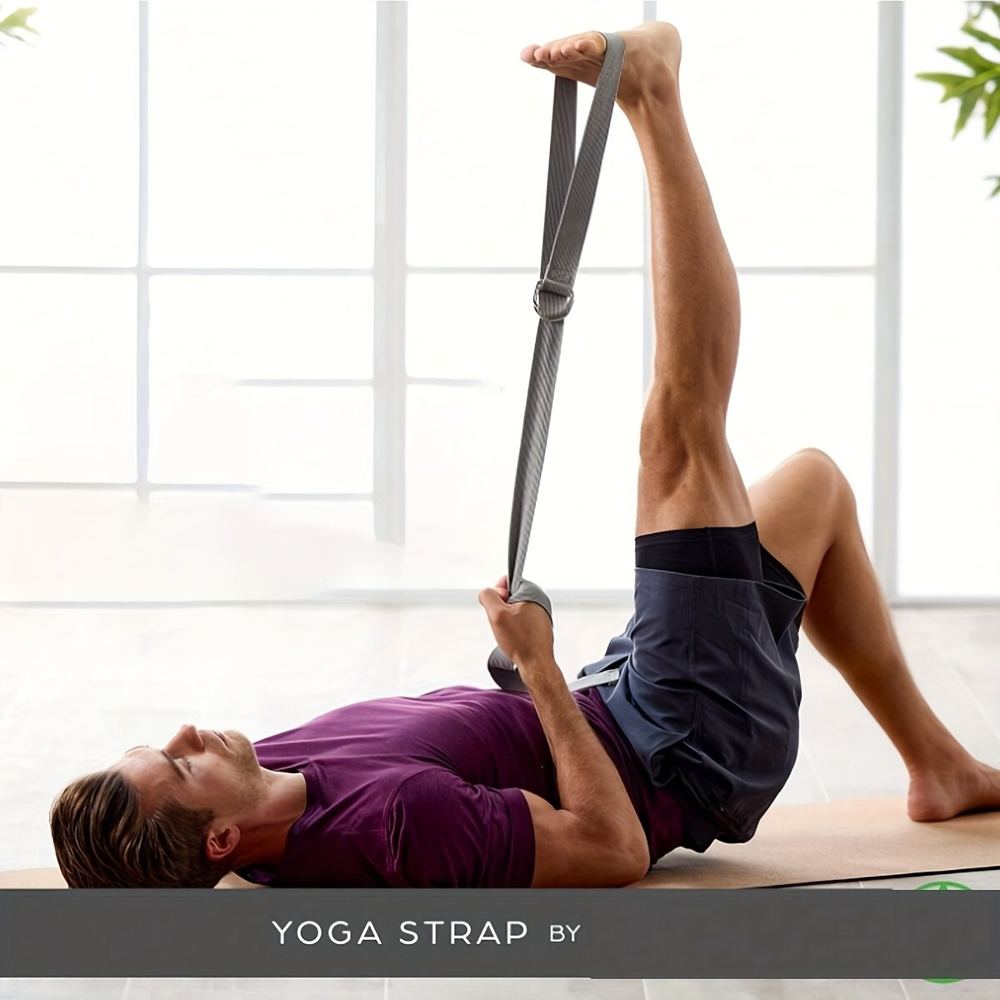
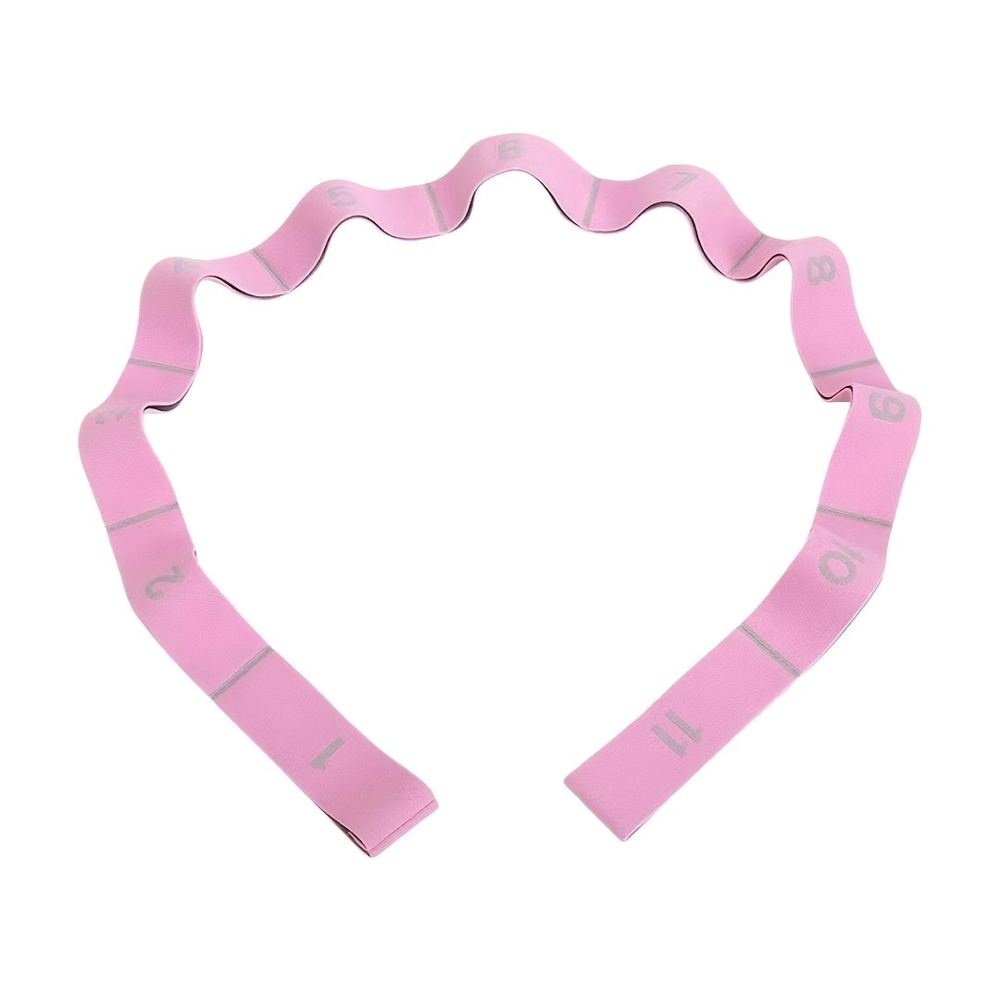
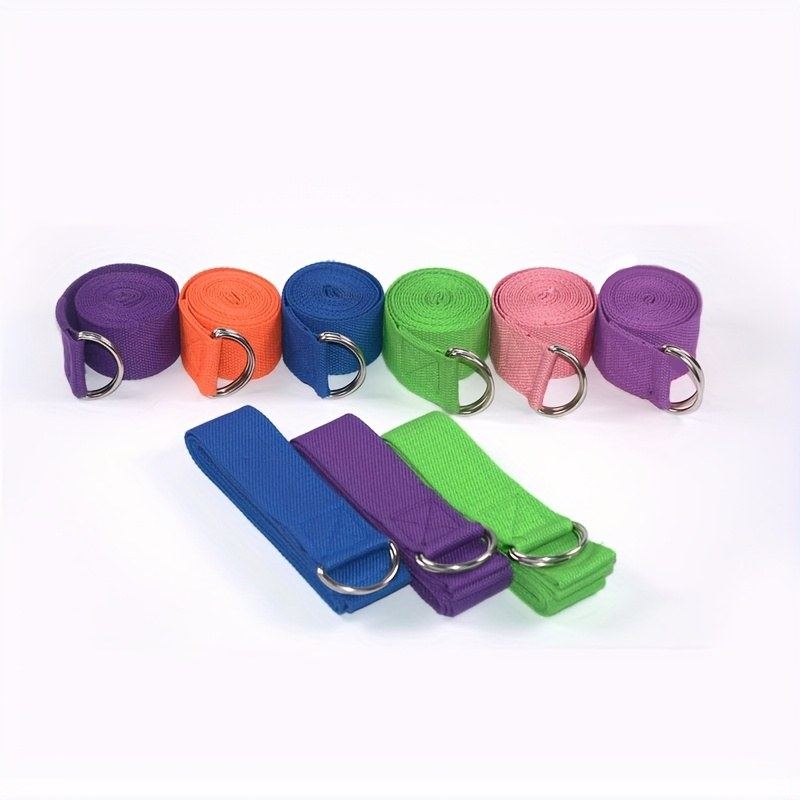
The fix: Learn the difference between sensation and pain. A gentle pulling or stretching feeling is fine; sharp, pinching, or shooting sensations are not. Stay a notch below your maximum — where you feel the stretch but can still breathe easily and relax into it. Beginner modification: use props generously. A yoga strap lets you reach your feet in seated forward folds and open your shoulders in stretches without straining, and folding a blanket under the knees softens floor poses.
Mistake 4: Comparing Yourself to Others
Watching the person next to you — or on the screen — fold effortlessly into poses your body refuses is discouraging, and it pushes you toward mistakes 1 through 3. Every body has different proportions, joint structure, and flexibility history. Someone else's deep pose tells you nothing about what your practice should look like.
The fix: Practice with your eyes soft and your attention inward. Use the mirror or teacher's cues for alignment guidance, but judge your poses by how they feel, not how they look. Your yoga is working when you feel calmer, steadier, and more mobile over weeks — not when you match someone else's shape on day one.
Mistake 5: Collapsing the Shoulders in Plank and Downward Dog
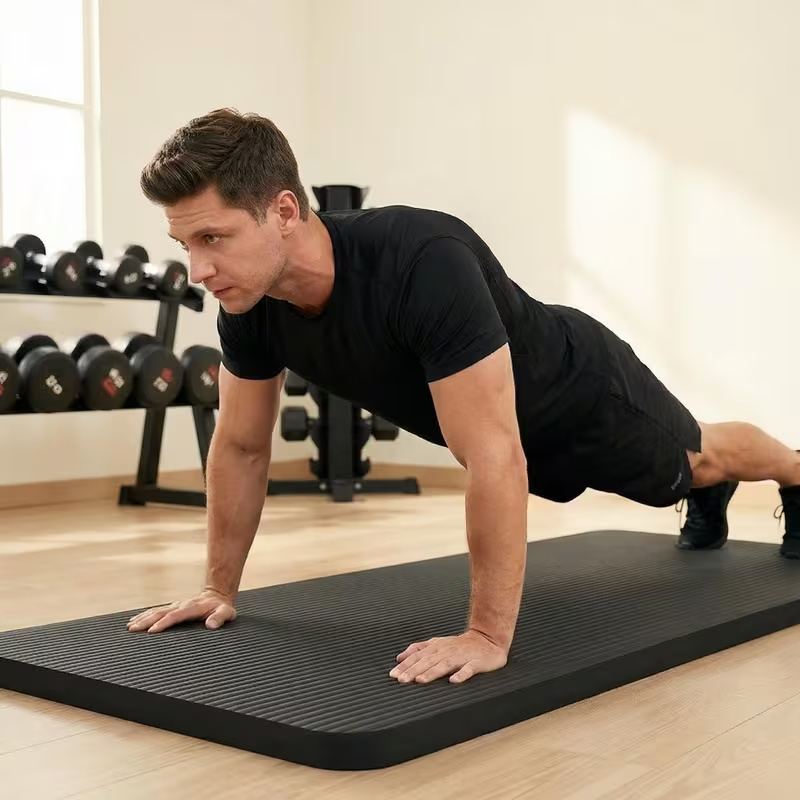
In plank, beginners often let the hips sag or the shoulders hunch toward the ears. In downward dog, the shoulders creep up and the weight dumps into the wrists. Both patterns strain the lower back, neck, and wrists instead of building the strength the poses are meant to develop.
The fix for plank: Think of your body as one straight line from head to heels. Press the floor away with your hands to lift between the shoulder blades, draw the belly gently in, and squeeze the glutes. If your hips sag after 15 seconds, that is your current plank limit — hold shorter, stronger planks rather than longer saggy ones. Sets: 2–3 holds of 15–30 seconds is plenty for beginners.
The fix for downward dog: Spread your fingers wide, press through the base of each finger, and think of pushing your hips up and back rather than pressing your heels down. Pedal the feet gently to warm the legs, and keep a soft bend in the knees — straight legs are not the point; a long spine is.
Mistake 6: Neglecting Alignment of the Knees
In lunges, warriors, and chair pose, beginners often let the front knee cave inward or push it far past the ankle. Knees track best when they point in the same direction as the toes — usually forward over the second toe — and stacked roughly above the ankle in lunges.
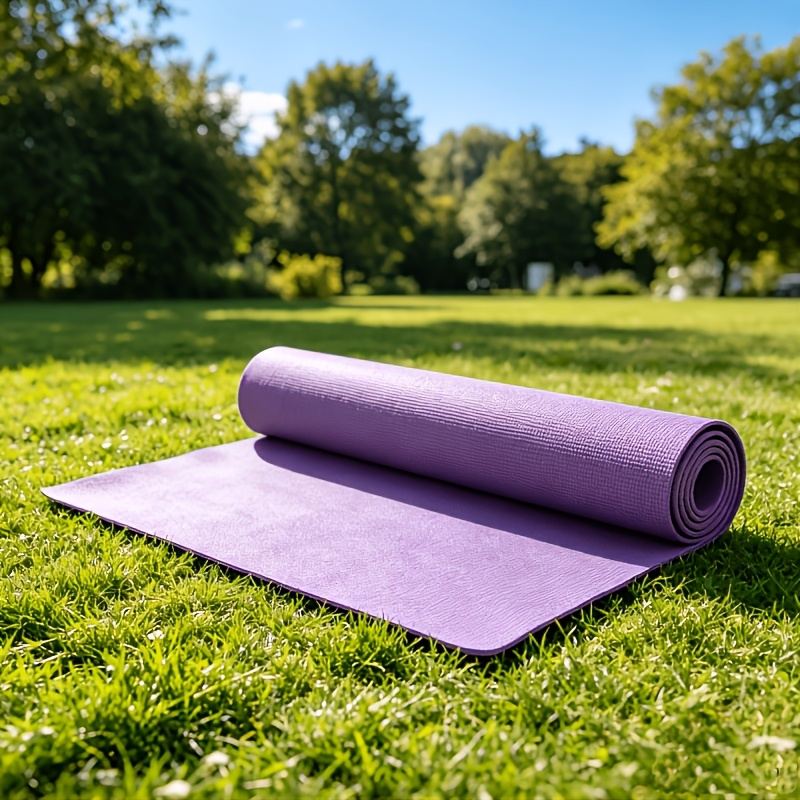
The fix: In warrior II and lunges, glance down: can you see your big toe inside your knee? Adjust so the knee tracks over the ankle, not beyond the toes. Keep a micro-bend rather than locking joints. For more guidance on joint-friendly practice, see our guide on the best yoga mat for bad knees, since a thicker, cushioned mat makes kneeling poses far more comfortable. The 8mm non-slip yoga mat gives that cushioning without feeling unstable.
Mistake 7: Practicing on a Slippery or Thin Surface
Trying to hold downward dog on a mat that slides, or kneeling on a too-thin mat on a hard floor, turns every pose into a struggle. Equipment problems quietly become form problems — you tense up, grip harder, and compensate.
The fix: Use a mat with genuine grip and enough cushion for your joints. An 8mm non-slip mat suits most beginners well: thick enough to protect knees, stable enough for balance poses. Read our guide on how to choose yoga mat thickness to match the mat to your body and practice style.
Mistake 8: Skipping Savasana
The final resting pose — lying still for a few minutes at the end — looks like "doing nothing," so busy beginners cut it short or skip it. But savasana is where your nervous system registers the practice: heart rate settles, breathing deepens, and muscles release. Skipping it is like cooking a meal and not eating it.
The fix: Give yourself at least 3–5 minutes. Lie back, close your eyes, let the arms rest at your sides, and simply breathe. If your mind races, that is normal — keep returning attention to the breath. Many beginners find savasana becomes their favorite part of practice once they let it be.
Mistake 9: Inconsistency — One Long Session a Week Instead of Short Regular Ones
Beginners often do one ambitious 60-minute session on the weekend and nothing for six days. Flexibility, strength, and balance improve through regular, gentle repetition — not occasional marathons. Irregular practice also means re-learning the basics every time.
The fix: Aim for 2–4 shorter sessions per week — even 15–20 minutes counts. Short and regular beats long and occasional, every time. Tie practice to an existing habit (right after your morning tea, or before your evening wind-down) so it sticks. Our beginner home workout plan for women shows how short sessions fit into a weekly routine.
The Fixes at a Glance
| Mistake | The Fix | | --- | --- | | Holding your breath | Breathe continuously; ease off if you catch yourself holding it | | Skipping the warm-up | 3–5 min of cat-cow, arm sweeps, and gentle bends first | | Forcing flexibility | Stretch sensation yes, pain no; use props like a strap | | Comparing yourself to others | Judge by feel, not by how poses look | | Collapsing shoulders in plank/down dog | Press the floor away; shorter, stronger holds | | Knees caving in lunges | Track knee over ankle, in line with toes | | Slippery or thin mat | Use a genuinely non-slip, cushioned mat | | Skipping savasana | Take 3–5 full minutes of rest at the end | | One long session a week | 2–4 short sessions beat one marathon |
Safety Notes
- Stop any pose that causes sharp, pinching, or shooting pain, and rest. Persistent pain deserves a check with a physiotherapist or doctor, not more practice through it.
- If you are pregnant or recently postpartum, get your provider's clearance before starting yoga and choose prenatal or postpartum-specific guidance first.
- Yoga complements — but does not replace — medical care for back pain, joint problems, or injuries. When in doubt, ask a professional before you push.
FAQ
Q: How long before I stop feeling clumsy in yoga?
Most beginners feel noticeably more coordinated within 3–4 weeks of practicing 2–3 times a week. Clumsiness is not a sign you are bad at yoga — it is simply unfamiliarity. Everyone in that first month is thinking hard about their feet. It passes faster than you expect.
Q: Is it normal to feel sore after beginner yoga?
Mild muscle soreness for a day or two is common, especially after your first few sessions — you are waking up muscles in new ways. Sharp pain, joint pain, or soreness that lasts beyond a few days is not normal and means you should ease off and check your form against the mistakes above.
Q: Do I really need props like straps and blocks as a beginner?
They are not mandatory, but they genuinely help. Props let you hold poses with good alignment instead of straining to reach. A strap extends your reach in forward folds and shoulder openers; blocks bring the floor closer in standing poses. Think of them as training wheels for good form, not a crutch.
Q: Can I learn yoga from videos alone, or do I need a class?
Videos work well for many beginners, especially alongside resources like this guide — just be extra attentive to the alignment fixes above since no one is watching your form. If you can, attending even a few beginner classes (in person or live online) gives you personalized corrections that accelerate everything.
Q: I can't touch my toes. Is yoga even for me?
Absolutely. Yoga is for exactly the person who cannot touch their toes. The goal is not a destination pose; it is gradual, sustainable improvement in how your body moves and feels. Start where you are — with bent knees, a strap, and zero shame — and let the practice do its slow work.
The Bottom Line
Beginner yoga mistakes are nearly universal, and none of them mean you are doing yoga wrong as a person — they are simply the habits everyone brings at the start. Breathe continuously, warm up, never force, protect your joints, rest at the end, and show up regularly. Do those six things and your practice will feel different within a month: steadier, kinder, and genuinely something you look forward to. The mat is not a test. It is a place to practice being patient with yourself.