One pair of dumbbells, six moves, one complete upper-body session: chest, back, shoulders and arms with form cues, rep ranges, and smart progressions.
Upper-Body Home Workout With Just Dumbbells
Strong arms, a supported back, shoulders that do not ache after a day at the desk — you can build all of it with a single pair of dumbbells and the floor of your living room. Upper-body training is often the part of fitness women skip, partly because the gym's weight area can feel unwelcoming and partly because cardio gets all the attention. But a simple dumbbell session twice a week changes how your whole upper body feels and works.
This guide gives you one complete session: six moves covering chest, back, shoulders, and arms, with setup, technique, breathing, and rep ranges for each — plus how to progress and the mistakes to avoid.
This guide contains affiliate links. If you buy through them, VÉLORA may earn a commission at no extra cost to you.
What You Need
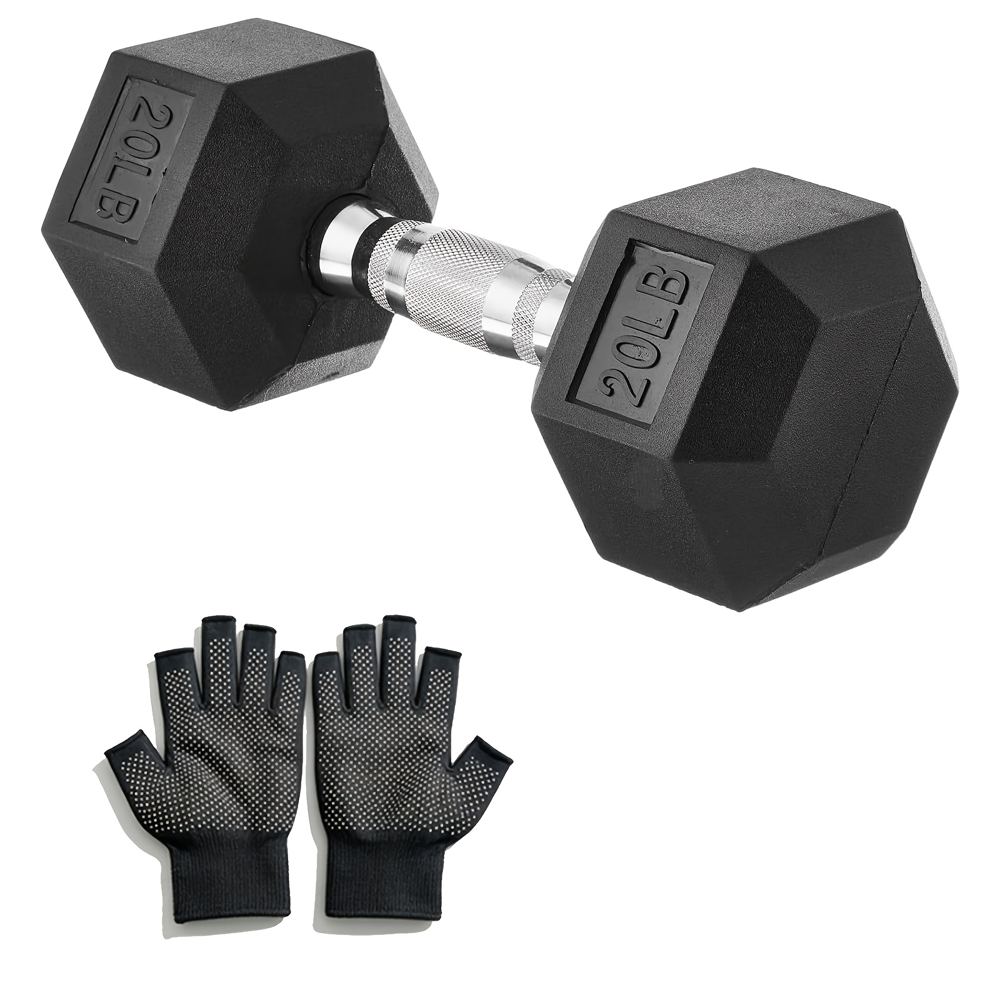
- One pair of dumbbells. Most women start upper-body work with 2–5 kg (5–10 lb) per hand. If you can do 12 reps of every move below with good form and feel you could do several more, go heavier.
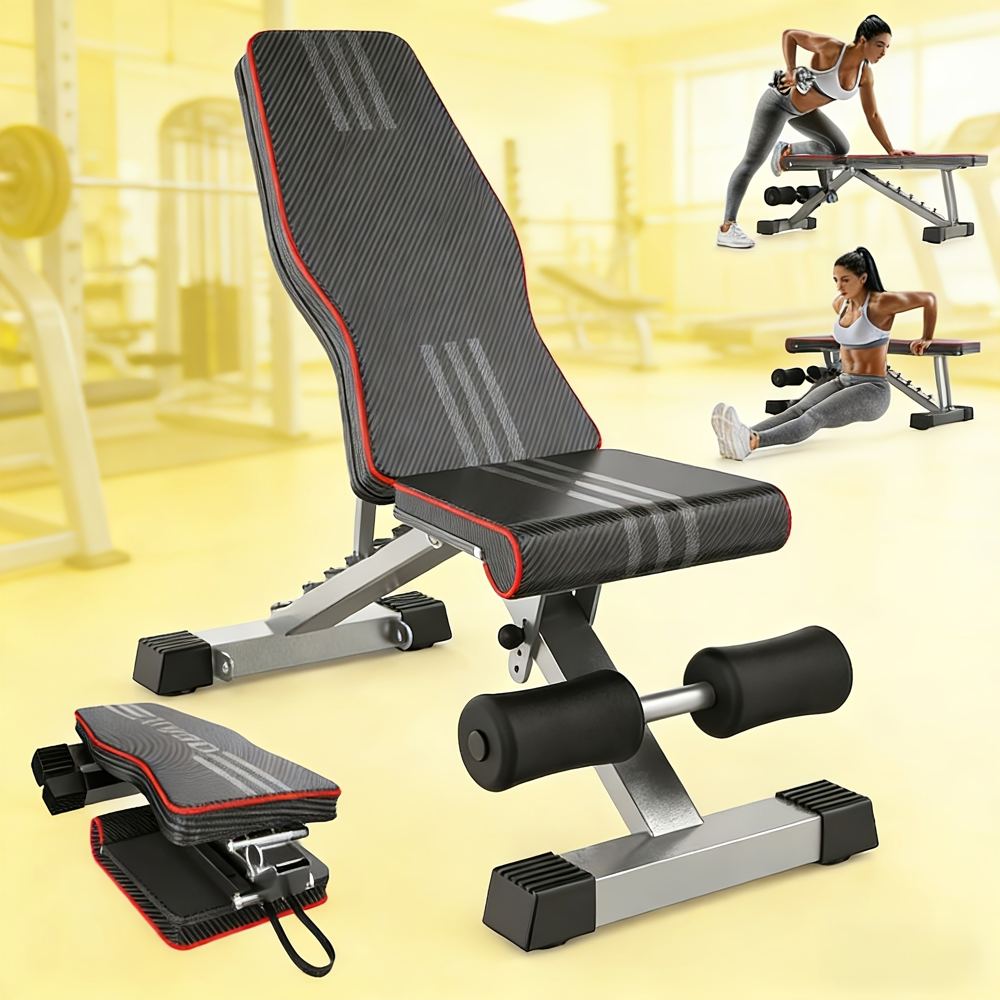
- A bench (optional but useful). A Multi-Angle Adjustable Weight Bench makes pressing and supported rows more comfortable, but a sturdy chair or the floor works for everything here.
- Floor space about the size of a yoga mat, and five minutes for a warm-up: arm circles, band pull-aparts or wall slides, and gentle torso twists.
Hex dumbbells like the Rubber-Coated Hex Dumbbells are ideal for home use — the flat sides stop them rolling away between sets.
The 6 Exercises
Work through the moves in order: bigger compound movements first, smaller isolation moves last.
1. Dumbbell Floor Press — Chest, Shoulders, Triceps
How to: Lie on your back, knees bent, a dumbbell in each hand resting at chest level, palms facing your feet. Press both weights straight up until your arms are nearly straight (soft elbows). Lower slowly until your triceps touch the floor, then press again. Keep your lower back in light contact with the floor — do not arch hard.
Breathing: Exhale as you press up, inhale as you lower.
Sets/reps: 3 sets of 8–12 reps, resting 60–90 seconds between sets.
Beginner modification: Press one arm at a time, or start with lighter weights until the path feels stable.
2. Bent-Over Row — Back, Biceps, Posture
How to: Stand with feet hip-width apart, hinge at the hips until your torso is roughly 45 degrees, back flat, dumbbells hanging below your shoulders. Pull both weights toward your lower ribs, squeezing your shoulder blades together. Lower slowly until your arms are nearly straight. Keep your torso still — no bouncing.
Breathing: Exhale as you pull, inhale as you lower.
Sets/reps: 3 sets of 8–12 reps, resting 60–90 seconds between sets.
Beginner modification: Do single-arm rows with your free hand braced on a bench or sturdy chair — the support makes it much easier to keep your back flat.
3. Standing Overhead Press — Shoulders, Triceps
How to: Stand tall, dumbbells at shoulder height, palms facing forward. Press both weights straight overhead, keeping your ribs down and glutes gently squeezed — do not lean back. Lower slowly to shoulder height.
Breathing: Exhale as you press up, inhale as you lower.
Sets/reps: 3 sets of 8–12 reps, resting 60–90 seconds between sets.
Beginner modification: Do it seated on a bench or sturdy chair — removing the balance demand lets you focus on the press.
4. Biceps Curl — Front of the Arms
How to: Stand tall, dumbbells at your sides, palms facing forward. Curl both weights toward your shoulders, keeping your elbows pinned at your sides and your torso still. Lower slowly — the lowering half builds as much strength as the lift.
Breathing: Exhale as you curl up, inhale as you lower.
Sets/reps: 2–3 sets of 10–15 reps, resting 45–60 seconds between sets.
Beginner modification: Alternate arms, and drop the weight before you ever start swinging your torso — momentum means the weight is too heavy.
5. Overhead Triceps Extension — Back of the Arms
How to: Stand or sit tall, holding one dumbbell with both hands overhead, arms extended. Lower the weight slowly behind your head by bending your elbows, keeping your upper arms still and close to your head. Extend back up without locking your elbows hard.
Breathing: Inhale as you lower, exhale as you extend.
Sets/reps: 2–3 sets of 10–15 reps, resting 45–60 seconds between sets.
Beginner modification: Use a lighter dumbbell — the triceps are smaller than you think, and form matters more than load here.
6. Reverse Fly — Rear Shoulders, Upper Back
How to: Hinge forward at the hips, back flat, a light dumbbell in each hand hanging below your chest. With a slight bend in your elbows, raise both arms out to the sides until they reach shoulder height, squeezing your shoulder blades together. Lower slowly.
Breathing: Exhale as you lift, inhale as you lower.
Sets/reps: 2–3 sets of 10–15 reps, resting 45–60 seconds between sets.
Beginner modification: Go very light — the rear deltoids are small muscles, and even 1–2 kg gives them plenty of work.
Putting It Together: The Full Session
Run the six moves in order, and the session takes about 35–45 minutes including warm-up:
- Warm-up — 5 minutes of arm circles, wall slides, and torso twists
- Floor press — 3 × 8–12 (rest 60–90s)
- Bent-over row — 3 × 8–12 (rest 60–90s)
- Overhead press — 3 × 8–12 (rest 60–90s)
- Biceps curl — 2–3 × 10–15 (rest 45–60s)
- Triceps extension — 2–3 × 10–15 (rest 45–60s)
- Reverse fly — 2–3 × 10–15 (rest 45–60s)
Short on time? Try supersets: pair the floor press with the bent-over row (do one set of each back to back, then rest 60–90 seconds), and pair curls with triceps extensions (rest 45–60 seconds). You will finish in about 25 minutes with the same volume.
Progressing Over Time
When you can complete the top of the rep range for all sets with clean form, it is time to progress — pick one:
- Add weight in the smallest jump available (1–1.5 kg per hand is plenty)
- Add a set to one or two exercises
- Slow the tempo — three seconds down on every rep makes the same weight feel brand new
Adjustable dumbbells make small jumps easy since you are not buying a new pair every few months. Progress roughly every 2–3 weeks, and only one variable at a time. For more dumbbell ideas beyond this session, see our Dumbbell Exercises for Women.
Common Mistakes
- Shrugging the shoulders to the ears on presses and rows. Pull your shoulder blades gently down and back before each set and keep them there.
- Arching the lower back on the overhead press. Squeeze your glutes and brace your core — if you still arch, the weight is too heavy.
- Swinging the weights on curls. If your torso moves, drop the weight and own the rep.
- Locking elbows hard at the top of presses and extensions. Finish with soft elbows to keep tension on the muscles, not the joints.
- Training only the "mirror muscles." Chest and biceps get the glory, but the rows and reverse flys are what fix posture and protect your shoulders. Never skip the back work.
- Skipping the warm-up. Cold shoulders pressed overhead is how strains happen — five minutes is non-negotiable.
Safety Notes
- Warm up your shoulders for five minutes before the first pressing move.
- Stop any exercise that causes sharp shoulder pain, clicking with pain, or numbness down the arm. Shoulder impingement is common — regress the movement, and see a physiotherapist if pain persists.
- Keep weights under control at all times; never drop dumbbells onto hard floors or near your feet.
- If you are pregnant, get provider clearance first, and favor seated or supported positions as your body changes.
- Check with a clinician before starting if you manage high blood pressure, a heart condition, or are recovering from surgery or injury.
FAQ
Q: Will this workout make my arms bulky?
No — not by accident. Building large arms takes years of heavy, deliberate training plus a calorie surplus. What this session builds is firmer, stronger arms, better posture, and shoulders that do not ache. Results vary, but "accidentally bulky" is not among the realistic outcomes.
Q: How heavy should my dumbbells be?
Heavy enough that the last 2–3 reps of each set feel challenging with good form. For most women starting out, that is 2–5 kg (5–10 lb) per hand for upper-body moves. When 12 clean reps feel easy, move up.
Q: How many times per week should I do this session?
Two times per week with at least one rest day between is ideal for most women. Three is fine once you are adapted, but more is not better — muscles strengthen during recovery.
Q: Floor press or bench press — does it matter?
For home training, the floor press is excellent: the floor limits your range of motion, which protects the shoulders, and you need zero equipment beyond the dumbbells. A bench allows a deeper stretch, which is a nice progression later — not a requirement now.
Q: My shoulders click during overhead presses. Should I worry?
Painless clicking is usually harmless. Clicking with pain, pinching, or weakness is not — stop the movement and get it checked by a physiotherapist before continuing overhead work.
Q: Can I do this workout alongside lower-body days?
Absolutely — that is the ideal setup. Alternate this upper-body session with a lower-body session and a rest or cardio day, and you have a complete weekly program. See our Upper-Body Workout for Women for the broader programming picture.
The Bottom Line
One pair of dumbbells, six moves, twice a week: that is the whole formula. Press, row, press overhead, curl, extend, fly — done with honest form and patient progression, this simple session builds the upper-body strength that makes daily life easier and posture better. You do not need a gym, a spotter, or a complicated split. You need consistency, and now you have the plan.