Supersets and circuits explained: pair exercises to cut rest time, build density blocks, and finish strong — with two ready-made templates and timing rules.
Supersets and Circuits: How to Train More in Less Time
You have 30 minutes, not 60. Your old routine — three sets of one exercise, scrolling your phone through three-minute rests — will not fit. This is exactly the problem supersets and circuits were invented to solve: they pack the same training volume into far less time by reorganizing how your rest works.
These methods are not shortcuts that sacrifice results. They are simply smarter scheduling of effort and recovery. Done well, a 30-minute superset or circuit session can rival a 50-minute straight-sets workout. Here is how each method works, how to pair exercises, and two ready-made templates you can try today.
This guide contains affiliate links. If you buy through them, VÉLORA may earn a commission at no extra cost to you.
What Is a Superset?
A superset pairs two exercises back to back with little or no rest between them. You do exercise A, then exercise B immediately, then rest — that is one round. Repeat for 2–4 rounds.
Example: 10 dumbbell rows → 12 push-ups → rest 60–90 seconds → repeat.
The three types of supersets
- Antagonist (opposing muscle) supersets. Pair a push with a pull, or a quad move with a hamstring move: bench press + rows, squats + Romanian deadlifts. While one muscle group works, its opposite rests — this is the most efficient and most beginner-friendly pairing.
- Agonist (same muscle) supersets. Pair two moves for the same muscle: dumbbell press + push-ups, goblet squats + lunges. This creates a deep burn and serious fatigue — best for intermediate and advanced trainees chasing muscle growth, and not ideal before heavy compound work.
- Unrelated supersets. Pair a lower-body move with an upper-body move: goblet squats + overhead press. Zero interference between the exercises means both can be performed strongly, and this is a brilliant full-body time-saver.
Superset rules that matter
- Order matters: put the technically harder or heavier exercise first, while you are freshest.
- Rest after the pair, not between: the rest comes after completing both exercises — 60–120 seconds depending on how heavy the work is.
- Keep weights moderate at first: if you cannot maintain good form through the second exercise, the weights are too heavy or the rest too short.
- Logistics count: in a busy gym, pick two exercises that use one spot — a dumbbell pair and a mat, for instance — so you are not running across the floor.
What Is a Triset? What Is a Circuit?
A triset is the same idea with three exercises in a row — A, B, C, then rest. Trisets intensify the demand further and work well for smaller muscle groups (shoulders, arms) or bodyweight conditioning.
A circuit strings together 4–8 exercises performed in sequence with minimal rest, then a longer rest after the full round. Circuits are usually full-body and keep your heart rate elevated throughout, blending strength and conditioning.
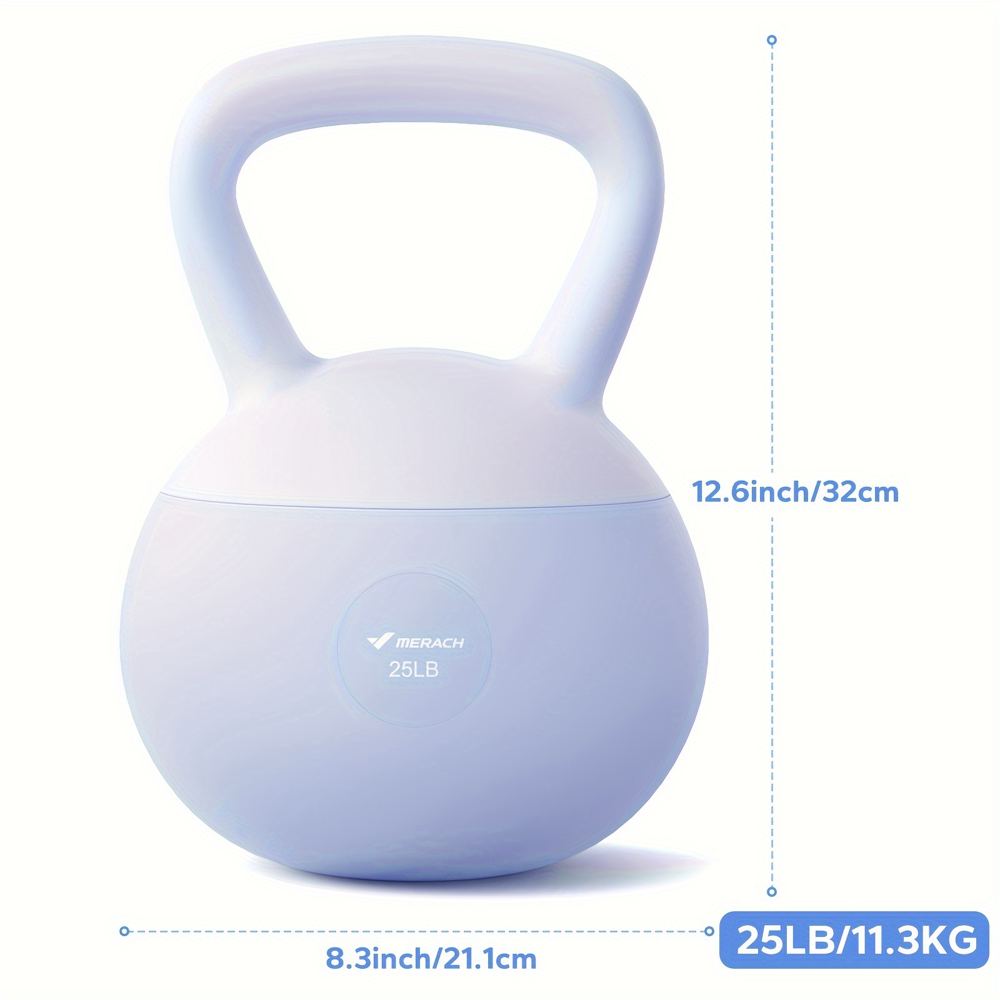
Example circuit: goblet squat → push-up → kettlebell row → glute bridge → plank — rest 90 seconds, repeat 3 times.
- Circuits are ideal when your goal is general fitness, fat loss support, or conditioning: they keep you moving and burn through a lot of work quickly.
- Supersets are ideal when you want to keep strength work high-quality while still saving time: the rest after each pair is long enough to lift well.
Superset vs Circuit vs Straight Sets
| Factor | Straight sets | Supersets | Circuits | |---|---|---|---| | Time for same volume | Longest | ~30–40% faster | ~40–50% faster | | Strength quality | Highest (full rest) | High if rested well | Moderate (fatigue accumulates) | | Heart-rate / conditioning effect | Lowest | Moderate | Highest | | Best goal | Max strength, technique learning | Busy-day strength training | General fitness, conditioning | | Beginner friendliness | Very friendly | Friendly with opposing-muscle pairs | Start with generous rests | | Equipment needs | Minimal | Best with one station | Benefits from a few stations |
Pairing Logic: How to Build Your Own Supersets
Good pairings follow a simple principle: while one muscle works, another recovers. Here are pairings that never fail:
- Push + pull: dumbbell chest press + bent-over row
- Lower + upper: goblet squat + overhead press
- Front + back of leg: reverse lunge + Romanian deadlift
- Big move + small move: deadlift + Pallof press (core)
Pairings to be cautious with:
- Two heavy spinal-loading moves back to back (e.g., heavy squats + heavy deadlifts) — your lower back never rests.
- Two high-skill moves (e.g., overhead press + Turkish get-up) — fatigue wrecks technique, and technique is what keeps you safe.
- Grip-heavy pairs (deadlift + farmer's carry) — your hands give out before your muscles do.
For exercise ideas, our dumbbell workout guide has plenty of pairing-friendly moves.
Template 1: Upper/Lower Superset Session (30 Minutes)
Do 3 rounds of each pair. Rest 60–90 seconds after each pair.
Pair A (lower + upper):
- Goblet squat — 10–12 reps
- Standing dumbbell overhead press — 8–10 reps
Pair B (push + pull):
- Push-ups — 8–12 reps (elevate hands to make easier)
- One-arm dumbbell row — 10–12 reps per side
Pair C (hinge + core):
- Romanian deadlift (dumbbells) — 10–12 reps
- Dead bug — 8–10 reps per side
Finisher: 3 minutes of alternating 30-second marching and 30-second rest to ease down.
Template 2: Full-Body Circuit (25 Minutes)
Perform each exercise for 40 seconds with 20 seconds to transition. Rest 90–120 seconds between rounds. Complete 3 rounds.
- Goblet squat
- Push-up (or incline push-up)
- Kettlebell or dumbbell bent-over row
- Glute bridge
- Standing knee-to-elbow march (or mountain climbers for more challenge)
- Dead bug or forearm plank
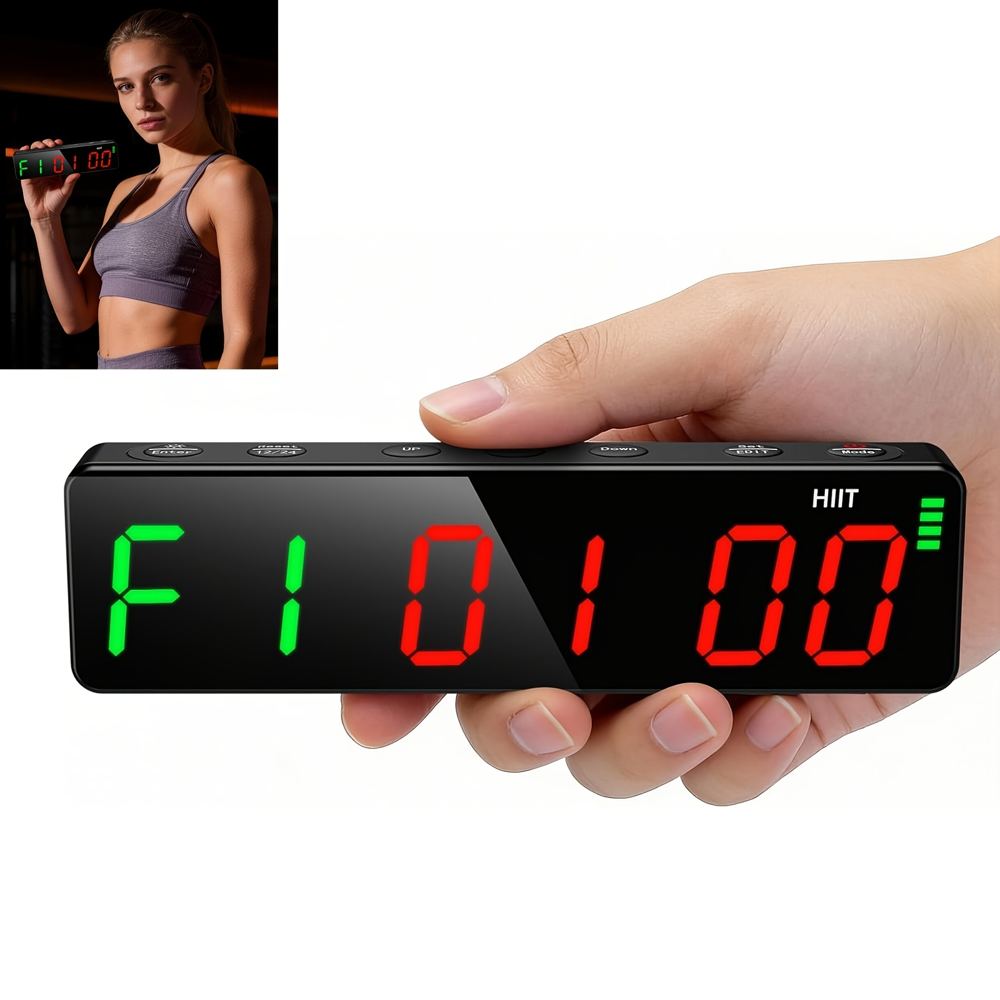
Start your timer, work through the list, and notice how quickly 25 minutes passes. A magnetic interval timer is genuinely useful here — watching the clock yourself breaks your flow.
When NOT to Use Supersets and Circuits
These methods are tools, not religions. Skip them when:
- You are learning a new lift. New movements deserve full attention and full rest — fatigue makes learning slower and sloppier.
- You are lifting near-maximal weights. Heavy singles and doubles need complete recovery between sets; supersetting them is counterproductive.
- Your form is breaking down. If reps two exercises in a row look ugly, you need more rest or lighter loads — not more density.
- You are already exhausted. Supersets on a day when you slept badly and feel run down usually produce a bad session, not a brave one.
Common Mistakes
- No rest at all. "No rest" sounds hardcore but produces garbage reps. The rest is part of the program — take it.
- Pairing moves that compete for the same muscle. Two pressing moves in a row means the second one is performed by a tired muscle — pick opposing or unrelated muscles instead.
- Changing exercises every session. Density methods work best when you repeat the same pairings for 3–4 weeks and track progress.
- Counting the warm-up as a round. Warm up normally first — supersets are the main work, not the preparation.
Frequently Asked Questions
Are supersets better than regular sets for building muscle?
They can be, as long as total volume and effort are equal — studies on training volume generally show that how much quality work you do matters more than how it is organized. Supersets shine when time is short; straight sets shine when you want maximum load and perfect technique on heavy lifts. Most good programs use both across the week.
How long should I rest during a superset workout?
Rest after completing both (or all) exercises in the pair, not between them: typically 60–90 seconds for moderate loads and 90–120 seconds for heavier work. If your heart rate is still racing and your breathing has not settled, take another 30 seconds — rested reps are productive reps.
Can beginners do circuits?
Yes, with two adjustments: choose simpler exercises you already perform well, and be generous with rest (30 seconds between moves and 2 minutes between rounds at first). Complexity and fatigue are a bad combination for beginners, so keep the moves familiar and the pace controlled.
Will supersets help me lose weight?
Exercise supports fat loss mainly by increasing the energy you burn and preserving muscle while you eat in a moderate calorie deficit — and supersets and circuits do burn more calories per minute than straight-sets training. But no workout alone guarantees weight loss; nutrition and sleep matter just as much, and results vary from person to person.
How many times per week should I do superset or circuit training?
Two to three times per week works well for most people, with at least a day of rest or lighter activity between hard sessions. You can alternate superset days with straight-sets strength days if you want the best of both.
Do I need special equipment for circuits at home?
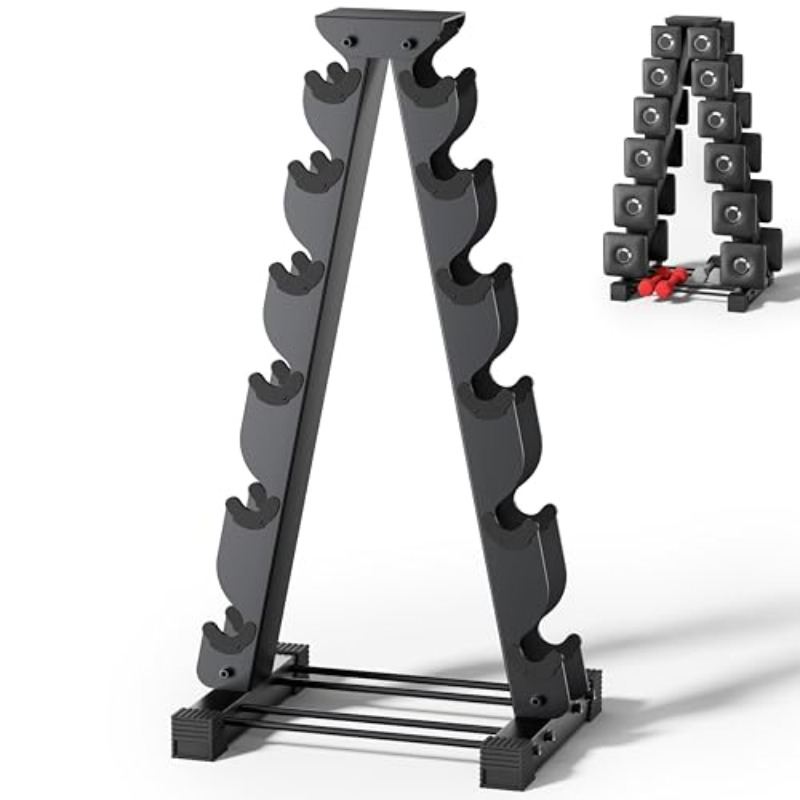
No — bodyweight circuits are completely valid. One or two dumbbells or a kettlebell simply add loading options. A dumbbell rack helps in a home gym by keeping weight changes fast between rounds, which is the whole point of density training.
Conclusion
Supersets and circuits are not about suffering more — they are about resting smarter. Pair opposing muscles, rest after the pair rather than between exercises, and you will finish sessions in two-thirds of the usual time without sacrificing quality. Try the upper/lower template on your next busy day and the full-body circuit on the weekend, and keep the method that fits your life.
As with everything in training, consistency beats intensity, and results vary. A solid plan you repeat for weeks — like the beginner home workout plan — will always outperform the perfect method you try once.