Step aerobics at home for beginners: how to start, basic step moves with form cues, a 25-minute workout, safety tips, and what to look for in a step.
Step Aerobics at Home: A Beginner's Guide to Step Workouts
Step aerobics has been getting hearts pumping since the late 1980s, and it has survived every fitness fad for a simple reason: it works. You step up and down on a raised platform in rhythmic patterns — training heart and lungs, strengthening legs and glutes, sharpening coordination, all to music in your living room. For beginners it is one of the friendliest cardio workouts: every move has a low-impact version, and you control intensity with step height.
This guide covers what step aerobics is, safe home setup, six foundational moves with form cues, a complete 25-minute beginner workout, and safety notes — including keeping noise down in apartments. No dance background needed. Results vary with consistency and effort; this guide is about learning the moves and enjoying the process.
This guide contains affiliate links. If you buy through them, VÉLORA may earn a commission at no extra cost to you.
What Step Aerobics Is
Step aerobics is a choreographed cardio workout built around stepping on and off an elevated platform (the "step") in patterns timed to music. The classic moves — basic step, knee lift, V-step, turn step — combine stepping with simple arm movements, so the whole body works while the heart rate climbs into the aerobic zone. It is weight-bearing exercise, which is good news for bone health, and it is endlessly scalable: raise the step platform for more intensity, lower it to take it easy.
The benefits beginners notice first are practical: better stamina for stairs and walks, stronger thighs and calves, improved coordination and balance. And it is genuinely fun for people who find treadmills boring — following a pattern to music feels more like a dance class than a workout.
If low-impact apartment training is your priority, see our guide to apartment-friendly workouts with no jumping, and for keeping home cardio quiet, our roundup of quiet home gym equipment for apartments.
Setting Up at Home
The step platform
A proper aerobic step is a wide, non-slip platform, usually height-adjustable. Beginners should keep it low — roughly 10–15 cm (4–6 inches): kinder to knees, easier to learn the patterns. Whatever you use, it must be stable, non-slip, and not slide on your floor. Never improvise with a wobbly stool or a stack of books.
Space and surface
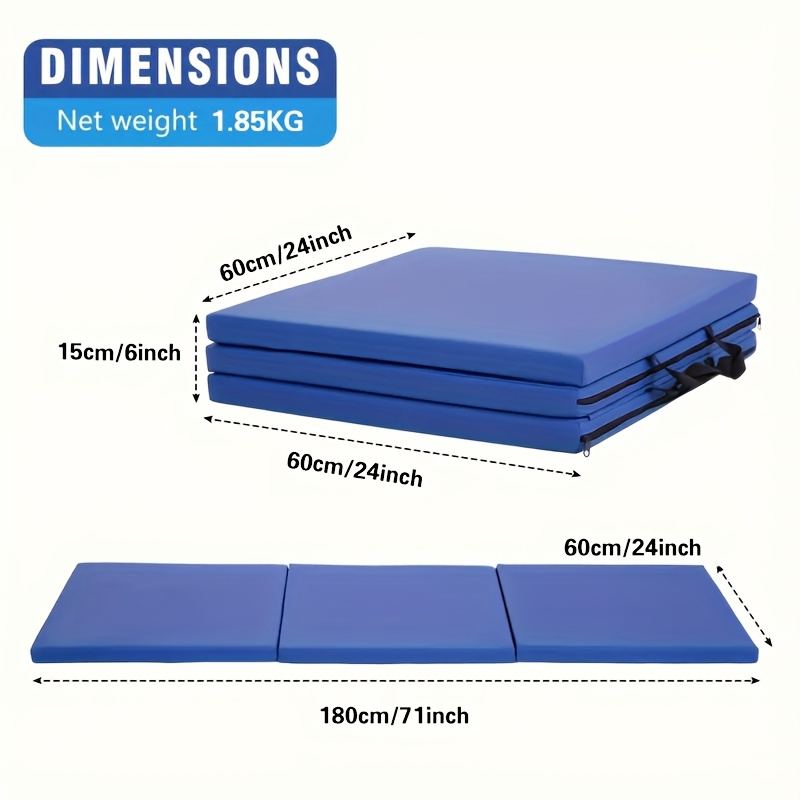
You need about 2 × 2 meters of clear floor around the step. A mat underneath protects both your floor and your joints — the Black Folding Gym Mat is a folding PU foam pad that cushions landings and rolls away for storage. Exercise on a firm, level surface; thick carpet makes stepping unstable.
Footwear
Wear supportive athletic shoes with good cushioning and lateral support — the kind you would wear for a fitness class. Barefoot stepping is not recommended; the repeated impact on a hard platform needs shoe cushioning. Tie laces securely and make sure the shoes grip the step surface.
Music
Step aerobics traditionally runs at 118–128 beats per minute for beginners — the rhythm keeps your steps even. Learn the patterns in silence or with slower music first, then add tempo once your feet know what to do.
The Six Basic Moves
Learn these one at a time. Master each for a few minutes before adding the next. The leading leg (the one that steps up first) should alternate every few repetitions to keep both sides balanced.
1. Basic Step
Step up with your right foot, bring the left foot up beside it, step down with the right, then the left. That is one "basic." Keep your torso upright, look forward (not at your feet), and place your whole foot on the platform — never let your heel hang off the edge. Swing your arms naturally at your sides or add simple arm pumps as you get comfortable.
2. Knee Lift
Step up right, lift your left knee to hip height (or lower — whatever feels controlled), step the left foot down to the floor, then step the right foot down beside it. Engage your core as the knee lifts; avoid leaning back. This is the move where most beginners first feel their heart rate climb.
3. V-Step
Start with feet together in front of the step. Step your right foot up and out to the right corner of the platform, left foot up and out to the left corner — making a V — then step back down to the center, right foot first. Wider feet mean more work for the inner and outer thighs. Keep the knees soft, never locked.
4. Turn Step
Face the short end of the step. Step up with your right foot and, as you bring the left foot up, turn your body 90 degrees to face the long side. Step down facing sideways, then step back up turning to face the front again. This move trains agility and is the one that makes beginners feel like dancers once it clicks. Go slowly at first — turning and stepping is a coordination skill that develops with practice.
5. Tap-Up
Step up with your right foot, tap the platform lightly with your left toe (no weight on it), step the left foot back down, then step the right foot down. Alternate the tapping foot. This is a lighter, lower-impact move — perfect as an active recovery between harder patterns, and a good one for keeping noise down.
6. Repeater Knee
Step up with your right foot and lift the left knee three times in a row (lift, tap down lightly, lift again) before stepping down. Then switch leading legs. The "repeater" keeps one leg working continuously, which builds muscular endurance in the standing leg. Keep the repetitions smooth rather than bouncy.
Moves at a Glance
| Move | Difficulty | Key form cue | Intensity | | --- | --- | --- | --- | | Basic step | Easy | Whole foot on the platform, eyes forward | Low–moderate | | Tap-up | Easy | Light toe tap, no weight on the tapping foot | Low | | Knee lift | Beginner | Core engaged, don't lean back | Moderate | | V-step | Beginner | Knees soft, step wide | Moderate | | Repeater knee | Beginner+ | Smooth rhythm, alternate leading legs | Moderate–high | | Turn step | Intermediate | Learn the turn slowly, then add speed | Moderate–high |
The 25-Minute Beginner Workout
Minutes 0–5 — Warm-up: March in place for 1 minute, then do basic steps on the floor (no platform) for 2 minutes, gradually adding arm swings. Finish with 2 minutes of gentle basic steps on the low platform. Your breathing should deepen but you should still be able to talk.
Minutes 5–18 — Main set: Cycle through the moves, spending about 2 minutes on each before moving to the next: basic step → knee lift → V-step → tap-up (active recovery) → repeater knee → turn step → repeat the cycle once more. Alternate your leading leg every 30–60 seconds. Aim for a pace where you can speak in short sentences but not sing — that is roughly the right beginner intensity.
Minutes 18–23 — Cool-down: Return to slow basic steps and tap-ups, gradually reducing the range of motion. Step off the platform and march gently on the floor.
Minutes 23–25 — Stretch: Calf stretch against a wall (each leg, 20–30 seconds), a standing quad stretch holding the wall for balance, gentle side bends, and shoulder rolls. Never bounce a stretch — ease in and breathe.

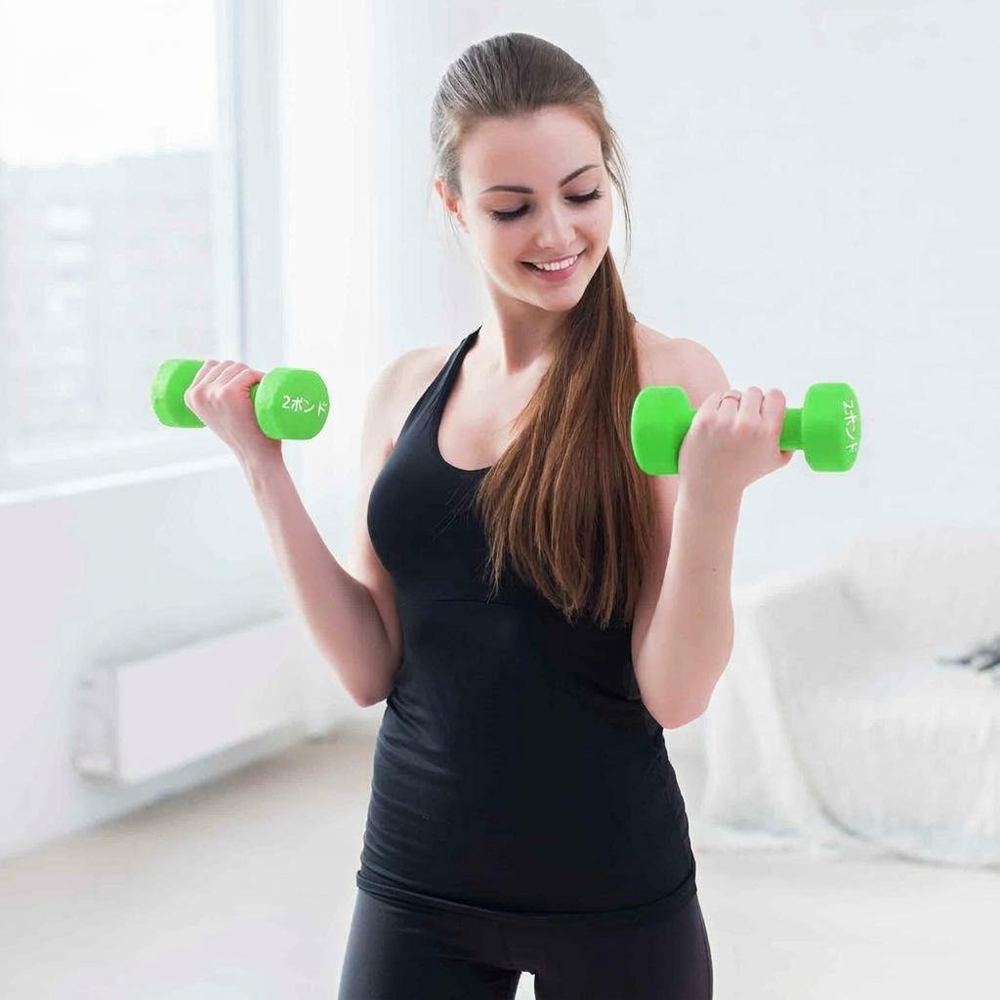
Do this workout 2–3 times per week on non-consecutive days. After 2–3 consistent weeks, progress one thing: add 5 minutes, raise the platform slightly, or add light hand weights (1–2 lbs max for step work — heavy weights plus stepping is hard on the shoulders). For cross-training on off days, low-impact cardio like the Soft TPE Beaded Jump Rope pairs well with step days, and if you want to add upper-body strength to your week, a light set like the 3 Pair PVC Dumbbell Set covers it.
Safety Notes
- Knee alignment. Keep knees tracking over your toes — never let them cave inward on the step-up. If your knees ache during or after, lower the platform height; height is the usual culprit.
- Step surface. The platform must not slide. Check it before every session, especially on smooth floors — a mat underneath helps.
- Full foot placement. Always place your entire foot on the platform. Stepping with half a foot or letting the heel hang off strains the Achilles and risks a slip.
- Impact noise for apartments. Step aerobics is quieter than jumping workouts, but it is not silent. A thick mat underneath, soft-soled shoes, emphasizing low-impact moves (tap-ups, basic steps), and training at reasonable hours keep neighbor relations intact. Our guide to apartment-friendly workouts with no jumping has more noise-reduction strategies.
- Listen to your body. Dizziness, chest discomfort, or sharp joint pain mean stop. Step aerobics is moderate cardio — if you have a heart condition, high blood pressure, or joint issues, get medical clearance first.
For a full weekly structure that includes cardio days like this one, see our beginner home workout plan for women.
Q: Is step aerobics good for beginners who have never done cardio?
A: Yes — it is one of the best beginner cardio options because you control every variable: platform height, tempo, and move selection. Start with the lowest step, the easiest moves, and short sessions, and build up over weeks. If you can walk up stairs, you can learn step aerobics.
Q: How high should my step be as a beginner?
A: Start at 10–15 cm (about 4–6 inches). This is low enough to protect the knees while you learn the patterns. Only raise the height when the workout feels easy at your current level — and never so high that your knee bends past 90 degrees at the top of the step.
Q: Can I do step aerobics with knee problems?
A: It depends on the problem. Step aerobics is lower-impact than running or jumping, and a low platform is relatively knee-friendly. But stepping is still repetitive knee bending under load. If you have a diagnosed knee condition or persistent knee pain, check with a physiotherapist first — they may clear a low step or suggest alternatives.
Q: Will step aerobics make my legs bulky?
A: No. Step aerobics builds muscular endurance and cardiovascular fitness, not large muscle mass — especially at beginner heights and volumes. Legs typically become firmer and more defined-looking as body composition changes, but "bulky" requires heavy resistance training plus a calorie surplus, which step workouts don't provide.
Q: Do I need special music or can I use any playlist?
A: Any upbeat playlist works, but tempo matters: 118–128 beats per minute suits beginners because the steps land naturally on the beat. Faster music tempts you to rush the moves and lose form. Start slower, and let the tempo rise as your coordination catches up.
Conclusion
Step aerobics endures because it gets the fundamentals right: real cardio, real leg strength, real coordination, wrapped in something enjoyable enough to repeat. Learn the six basic moves one at a time, keep your platform low while you learn, mind your knees and your neighbors, and give it three weeks of consistent practice. By then the patterns will feel automatic — and you will have a cardio workout you actually look forward to, right in your living room.