Bodyweight, goblet, sumo, split, Bulgarian and more: a practical guide to squat variations — which one fits your level, form cues, and how to progress safely.
Squat Variations: From Bodyweight to Loaded
The squat is the single most useful lower-body movement you can learn: quads, glutes, hamstrings, and core in one motion, with carryover to everyday life — sitting down, picking things up, climbing stairs. But doing the same basic squat forever is a recipe for a plateau. Different variations change the load, the balance demand, and the muscle emphasis, keeping your body adapting and your training interesting.
This guide starts with the form fundamentals every squat shares, then walks through eight variations in difficulty order — so you can find the one that fits your level today and see the next step waiting when you are ready.
This guide contains affiliate links. If you buy through them, VÉLORA may earn a commission at no extra cost to you.
Master the Basics Before You Vary
Practice these with bodyweight until they feel automatic — loading a bad pattern just rehearses it with weight.
Stance: Feet roughly shoulder-width apart, toes turned out slightly (15–30 degrees). Start here; very narrow or wide stances are variation-specific.
Initiation: Push your hips back slightly, then bend your knees — like sitting into a chair just behind you. Weight over the middle of your feet, not your toes.
Knees: Track them in line with your toes as you descend. A little forward knee travel is normal; avoid the knees collapsing inward.
Torso: Chest lifted, spine neutral — no rounding of the lower back, no excessive arching. Brace your core gently (about 20–30 percent tension) before each rep.
Breathing: Inhale as you lower, exhale as you stand. For heavier loaded squats, brace deeply and hold the breath for the single rep, exhaling at the top.
Depth: Go as deep as you can while keeping your heels down and lower back neutral. For many women that is thighs parallel or a little below. Depth improves over weeks — never force it.
8 Squat Variations, Easiest to Hardest
1. Bodyweight Squat
Who it is for: True beginners. If you cannot do 10 clean bodyweight squats, everything else waits.
How to do it: Hips back, knees bend, chest up. Lower until thighs are parallel or as deep as form allows. Drive through your whole foot to stand. Inhale down, exhale up.
Sets/reps: 2–3 sets of 10–20 reps. When 3 × 20 feels easy, move on.
Make it easier: Hold a doorframe for balance, or shorten the depth.
2. Box or Chair Squat
Who it is for: Beginners who struggle with balance or depth confidence. The box removes the fear of falling backward.
How to do it: Stand in front of a sturdy chair or box, calves nearly touching it. Sit back until your glutes lightly touch the surface — pause one second without relaxing — then stand. Do not plop or bounce.
Sets/reps: 2–3 sets of 8–15 reps.
Make it easier: Use a higher box; lower it over weeks as strength builds.
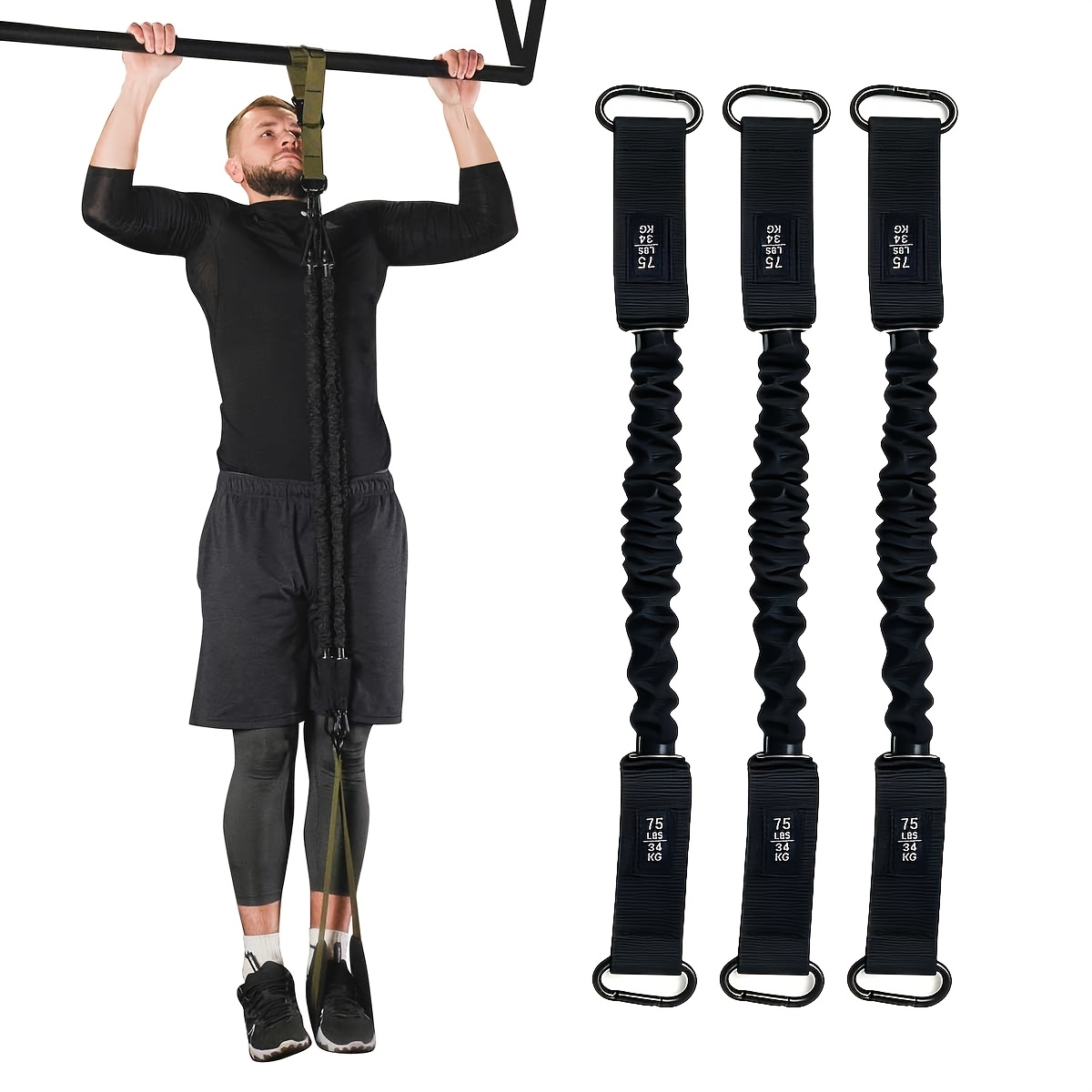
3. Band-Resisted Squat
Who it is for: Beginners ready for a little resistance without weights. Bands add tension that grows as you stand — a friendly first step into loading.
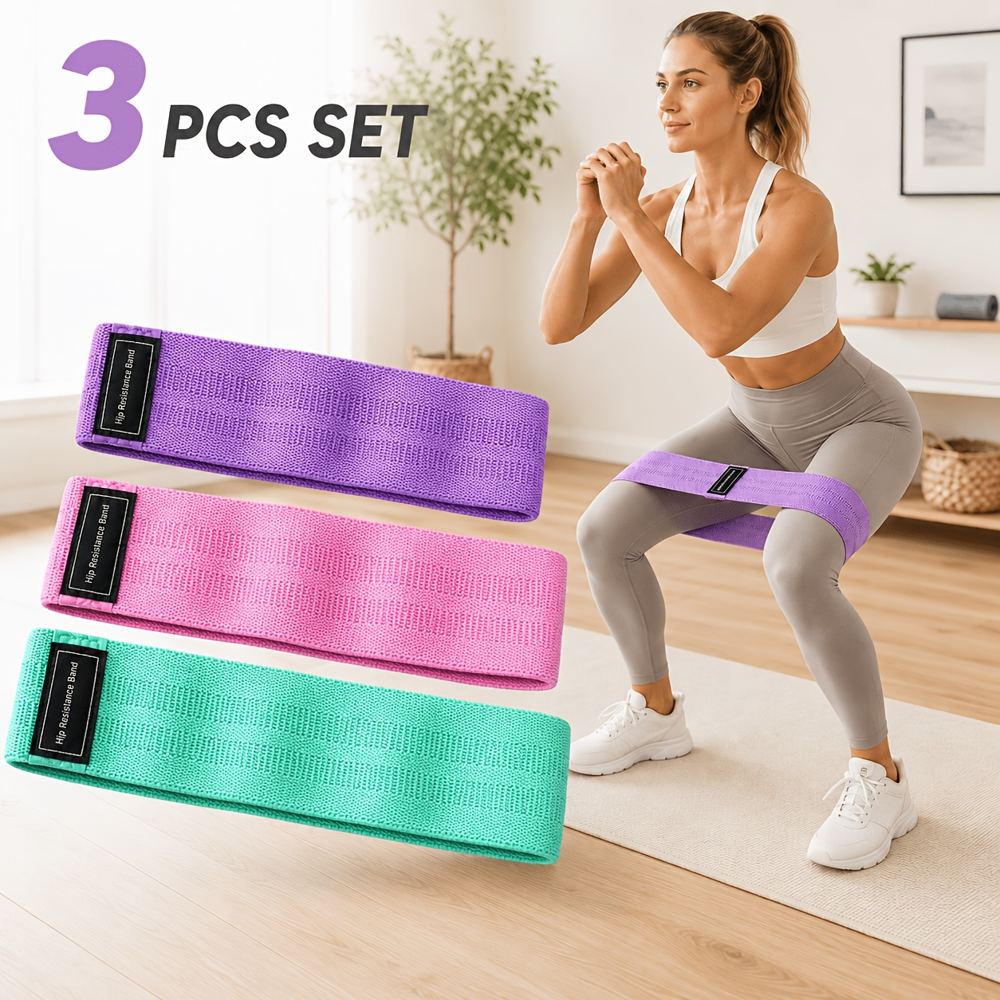
How to do it: Stand on a loop band, feet shoulder-width, the band across your upper back or held at shoulder height. Squat against the band's pull. Bands also make a great glute-activation warm-up: a few banded lateral walks before squatting wake the glutes so knees track better.
Sets/reps: 2–3 sets of 12–15 reps.
Make it easier: Use a lighter band, or hold the ends at hip height.
4. Goblet Squat
Who it is for: The best first loaded squat for most women. Holding the weight in front teaches an upright torso and confident depth.
How to do it: Hold a kettlebell or dumbbell vertically at your chest, elbows tucked to your ribs. Squat down, elbows traveling between your knees at the bottom. The counterweight naturally pulls you into better posture. Brace, inhale down, exhale up.
Sets/reps: 3–4 sets of 8–12 reps with a weight that makes the last two reps challenging but clean.
Make it easier: Start light — even a water bottle works — and progress in small jumps.
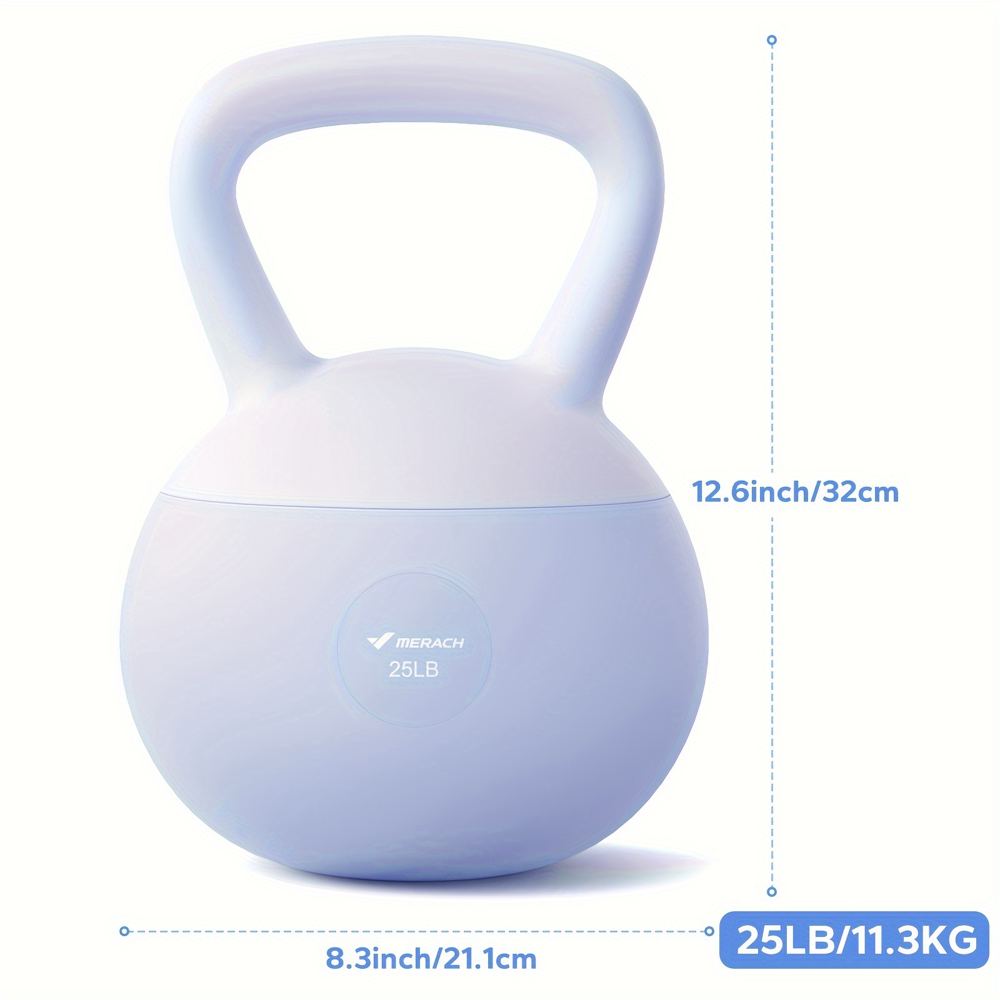
A soft-coated kettlebell is kinder on the forearms and chest than bare iron while you learn the hold. The Merach Soft Kettlebell has a wide non-slip handle that sits comfortably in the goblet position.
5. Sumo Squat
Who it is for: Women who want more glute and inner-thigh emphasis, or anyone whose hips feel cramped in a narrow stance.
How to do it: Wide stance — feet well outside the shoulders — toes turned out about 45 degrees. Keep your torso upright and lower straight down between your legs, knees pushed out over your toes. Works bodyweight, with a goblet hold, or with a dumbbell hanging between your legs.
Sets/reps: 3 sets of 10–15 reps.
Make it easier: Shorten the range or lighten the load.
6. Dumbbell Front Squat
Who it is for: Intermediate lifters ready for heavier loading without a barbell. Two dumbbells at the shoulders build serious leg and core strength.
How to do it: Hold a dumbbell in each hand at the front of your shoulders, elbows high. Squat with the same fundamentals. The front load punishes a collapsing torso immediately, which makes this variation a great posture teacher.
Sets/reps: 3–4 sets of 6–10 reps with challenging weights, resting 60–90 seconds between sets.
Make it easier: Drop to one dumbbell in a goblet hold, or lighten the weight and use the higher end of the rep range.
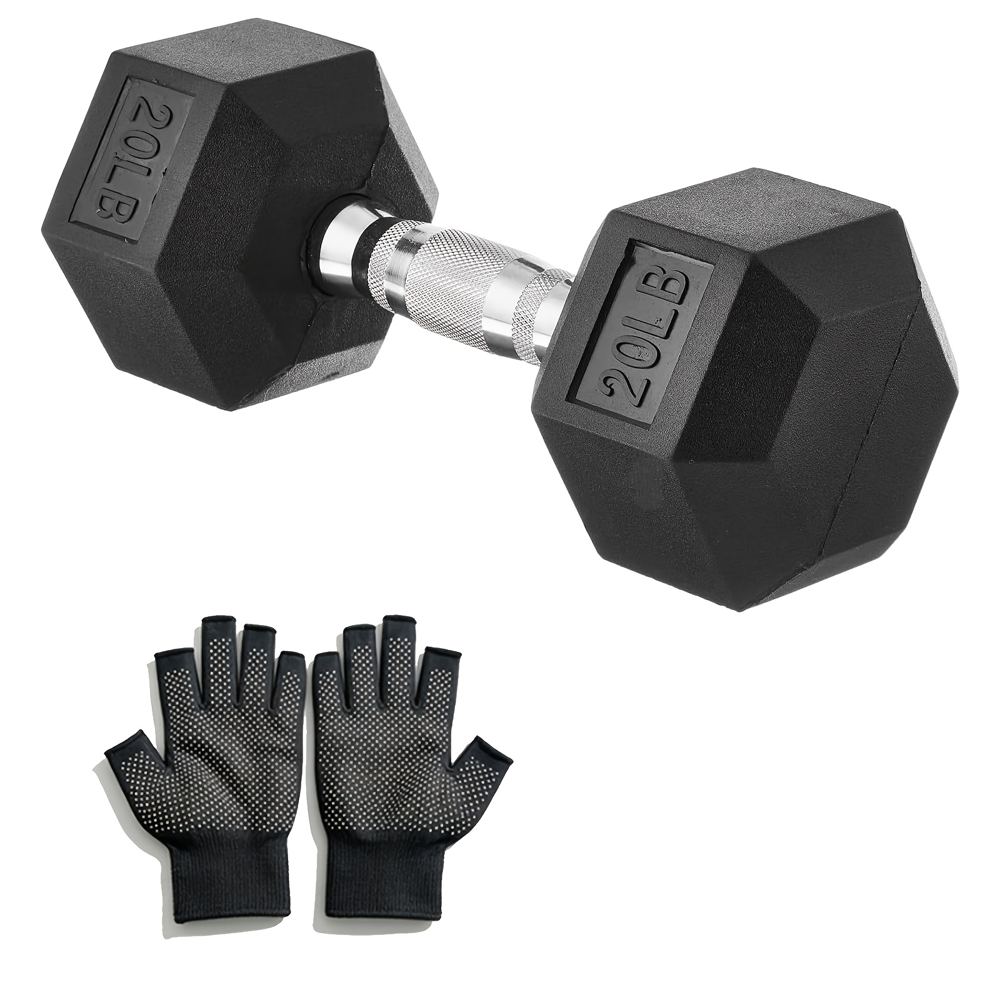
Hex dumbbells that do not roll away between sets make home training smoother. The Rubber-Coated Hex Dumbbells stay put on the floor and feel secure in the front-rack hold.
7. Split Squat
Who it is for: Intermediates who want single-leg strength and balance without the complexity of lunging. Great for evening out left-right differences.
How to do it: Staggered stance — one foot forward, one back, feet hip-width apart laterally (not on a tightrope line). Lower straight down until both knees are near 90 degrees, torso tall, front knee tracking over toes. Push through the front foot to rise. Finish all reps on one side, then switch.
Sets/reps: 2–3 sets of 8–12 reps per leg — bodyweight first, then dumbbells at your sides.
Make it easier: Hold a wall or chair for balance, or shorten the range.
8. Bulgarian Split Squat
Who it is for: Advanced trainees. The rear foot elevated on a bench makes this the hardest squat here — expect serious glute and quad work plus a real balance challenge.
How to do it: Stand a stride in front of a bench or sturdy chair, top of your rear foot resting on it. Lower until your front thigh is roughly parallel to the floor, torso tall, front knee tracking over toes. Drive up through the front heel.
Sets/reps: 2–3 sets of 6–10 reps per leg. Start bodyweight.
Make it easier: Master regular split squats first for several weeks; lower the bench height; use a hand on a wall for balance.
Variation Comparison
| Variation | Difficulty | Equipment | Main Focus | |---|---|---|---| | Bodyweight squat | Beginner | None | Fundamental pattern, quads + glutes | | Box/chair squat | Beginner | Chair or box | Depth confidence, hip hinge | | Band-resisted squat | Beginner | Loop band | First loading, glute activation | | Goblet squat | Beginner–intermediate | Kettlebell/dumbbell | Upright torso, full depth | | Sumo squat | Intermediate | Optional weight | Glutes, inner thighs | | Dumbbell front squat | Intermediate | Two dumbbells | Heavy leg loading, core | | Split squat | Intermediate | Optional dumbbells | Single-leg strength, balance | | Bulgarian split squat | Advanced | Bench + optional weights | Single-leg strength, glutes |
5 Common Squat Mistakes
1. Knees caving inward. Usually weak glutes or a stance issue. Push your knees out over your toes on every rep, and add banded glute work to your warm-up.
2. Heels lifting off the floor. Ankle mobility or weight shifting forward. Work on calf and ankle mobility, and think about "screwing your feet into the floor."
3. Rounding the lower back at the bottom. You are going deeper than your mobility allows. Stop just before your back rounds and build depth gradually — the box squat is perfect for this.
4. Craning the neck. Keep your gaze forward or slightly down with a neutral neck; your head follows your spine.
5. Rushing the descent. Dropping fast and bouncing out of the bottom strains the knees and teaches nothing. Lower under control (about 2 seconds), pause briefly, then drive up.
Safety Notes
- Warm up for 5 minutes (easy cardio plus bodyweight squats and glute activation) before loaded variations.
- Stop if you feel sharp pain in the knees, hips, or lower back. Muscle burn is normal; joint pain means regress or get assessed.
- If you are pregnant or postpartum, stick to bodyweight and light goblet variations at comfortable depth, and get provider clearance for loaded training first.
- Progress one variable at a time: reps, then sets, then weight. Never jump two difficulty levels in one week.
A Simple 4-Week Progression
Weeks 1–2: Bodyweight and box squats, 2–3 sessions per week, 2–3 sets of 10–15 reps. Own the pattern.
Week 3: Add goblet squats with a light weight (3 × 8–12), plus bodyweight sumo squats for variety.
Week 4: If form is solid, try bodyweight split squats and bump your goblet load slightly. Bulgarian split squats wait until split squats feel controlled.
For a full lower-body day built around these movements, see our Lower-Body Workout for Women. To round out leg training with dumbbell-specific moves, the Dumbbell Exercises for Women guide pairs well with this one.
FAQ
Q: How deep should I squat?
As deep as you can go with heels flat and lower back neutral — for most women that is thighs parallel or slightly below. Depth improves with practice; forcing it usually just rounds the back.
Q: Should my knees go past my toes when I squat?
Some forward knee travel is normal and safe for healthy knees. What matters is that your knees track in line with your toes and your heels stay planted.
Q: Are squats bad for your knees?
Properly performed squats strengthen the muscles that protect the knees. Pain during squats usually signals a form issue (knees caving, too much too soon) or an underlying problem worth getting checked.
Q: How often should I do squats?
Two to three times per week works well for most women, with at least one rest day between hard sessions.
Q: Which squat variation is best for glutes?
Sumo squats, deep goblet squats, and Bulgarian split squats all emphasize the glutes strongly. Honestly, though, the best variation is the one you can load progressively with good form — consistency beats the "perfect" variation every time. Results vary, and no single exercise reshapes your body on a fixed timeline.
The Bottom Line
Start where your form is clean, not where your ambition is. Nail the bodyweight squat, earn the goblet squat, and let the harder single-leg variations arrive when your balance and strength are ready. Rotate two or three variations across your week, progress gradually, and the squat will keep paying you back — stronger legs, a more stable core, and a movement you use every single day.