Build broader, stronger shoulders at home: dumbbell presses, lateral raises, rear-delt work and bands — full form cues, sets, reps, and a joint-friendly plan.
Shoulder Workout at Home for Men: Build Width and Strength
Broad, strong shoulders change how a man looks in a shirt — and, more importantly, how his upper body works. The shoulders are the most mobile joint in the body, which makes them powerful and also easy to hurt. Most home shoulder routines fail in one of two ways: they hammer the front of the shoulder with endless pressing and ignore the sides and back, or they use momentum-heavy raises that load the joints instead of the muscles.
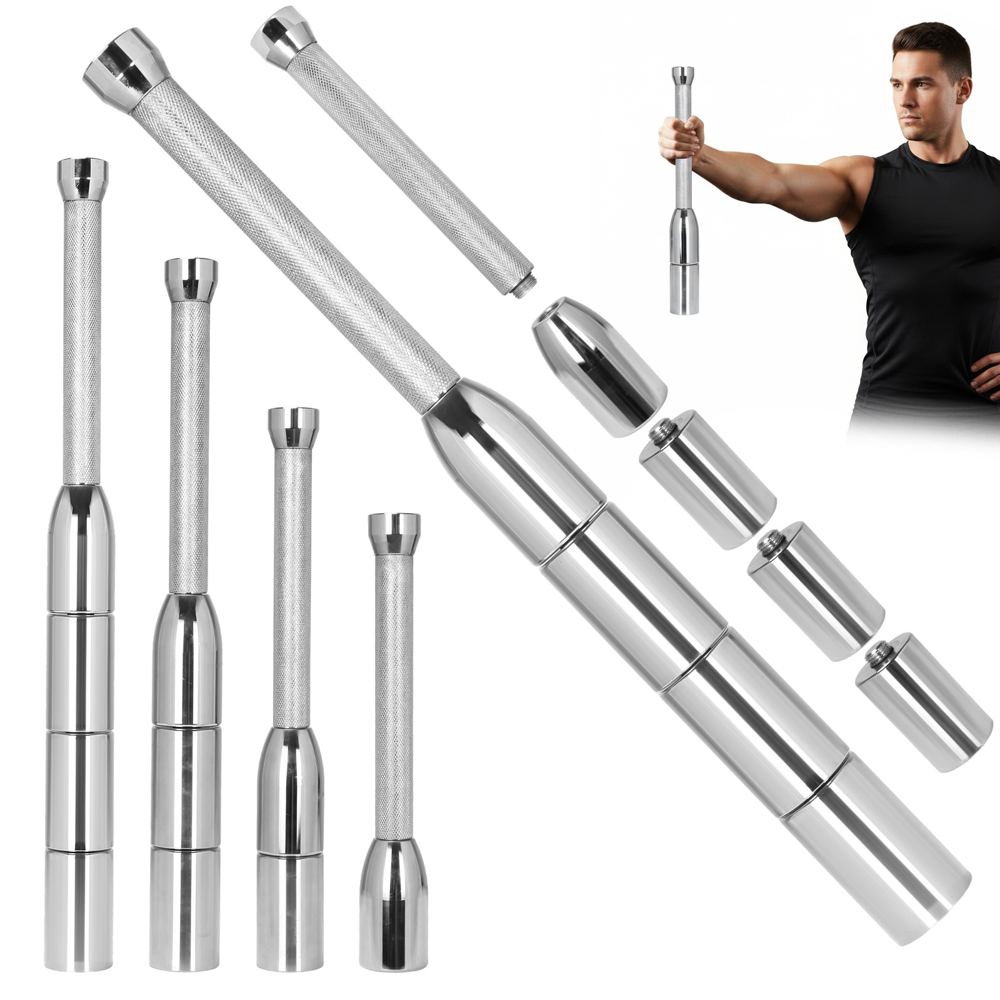
This guide builds shoulders the right way at home: one pressing movement for overall strength, one raise for each of the three deltoid heads, and smart volume that respects the joint. An adjustable dumbbell with wear-resistant grips is ideal since shoulders respond to precise weight jumps, and a set of resistance bands covers warm-ups and finishing work. Results vary between individuals; no routine can guarantee specific outcomes. Every exercise includes purpose, starting position, technique, breathing, sets/reps ranges, beginner modifications, and the mistakes to avoid.
This guide contains affiliate links. If you buy through them, VÉLORA may earn a commission at no extra cost to you.
Know Your Shoulder: The Three Delt Heads
Your deltoid has three heads, and each needs its own work:
- Front delt (anterior): raises your arm forward. It already gets heavy work from push-ups and bench pressing, so it needs the least extra training.
- Side delt (lateral): raises your arm out to the side. This is the head that creates width — the visual "cap" of the shoulder. Most men undertrain it.
- Rear delt (posterior): pulls your arm back. It supports posture and shoulder health, and it is the most neglected head of all.
A complete shoulder workout hits all three. This one does.
Warm Up: 4 Minutes of Joint Prep
Shoulders do not forgive cold starts. Every session, begin with:
- 30 seconds arm circles forward, then backward, starting small and growing.
- 15 resistance-band pull-aparts at chest height (or wall slides without a band), squeezing the shoulder blades together.
- 10 slow "scarecrow" rotations — elbows at shoulder height, rotate forearms up and down, no weight.
- One light set of your first exercise at half weight.
If any warm-up movement causes sharp pain, stop and do not load that pattern today.
The Shoulder Workout
1. Standing Dumbbell Overhead Press — The Strength Builder
Purpose: The primary compound shoulder movement, building the front and side delts along with triceps and core stability.
Starting position: Stand with feet shoulder-width apart, core braced. Hold a dumbbell in each hand at shoulder height, palms facing forward, elbows slightly in front of your body (not flared straight out).
Technique: Press the dumbbells straight up until your arms are extended overhead, without locking the elbows hard. Keep your ribs down — do not lean back to cheat. Lower slowly back to shoulder height. Exhale as you press, inhale as you lower.
Sets/reps: 3–4 sets of 6–12 reps.
Beginner modification: Do it seated with back support, which removes the balance demand. Or start with a single dumbbell pressed with both hands.
Common mistakes: Arching the lower back heavily (brace the core and squeeze the glutes); flaring elbows straight out to the sides (keep them slightly forward); pressing in front of the face instead of directly overhead.
2. Dumbbell Lateral Raise — The Width Builder
Purpose: Directly targets the side delt — the muscle responsible for shoulder width.
Starting position: Stand tall, a light dumbbell in each hand at your sides, palms facing your body, a soft bend in the elbows that stays constant.
Technique: Raise both arms out to the sides until they are about parallel to the floor, leading slightly with the elbows (think "pouring out a pitcher" at the top). Pause briefly, then lower over 2–3 seconds. Stop the lift at shoulder height — going higher shifts the work to the traps.
Sets/reps: 3 sets of 10–15 reps.
Beginner modification: Do one arm at a time, holding a wall with the free hand for support. This makes strict form much easier to learn.
Common mistakes: Going too heavy and shrugging the weight up with the traps (drop the weight — side delts are small); swinging the torso; bending and straightening the elbows mid-rep.
3. Bent-Over Rear Delt Raise — The Posture Muscle
Purpose: Strengthens the rear delt, improving posture and balancing all the forward pressing most men do.
Starting position: Hinge forward about 45 degrees with a flat back, a light dumbbell in each hand hanging below your shoulders, slight elbow bend, palms facing each other.
Technique: Raise the dumbbells out to the sides (not forward) until your arms are roughly in line with your torso. Squeeze the shoulder blades together at the top. Lower slowly. Think of opening your arms like wings, not rowing the weight up.
Sets/reps: 3 sets of 10–15 reps.
Beginner modification: Do these lying face-down on a bench or the floor (prone) — it removes the hinge-position demand entirely.
Common mistakes: Rowing the weights toward the chest instead of raising them out to the sides; rounding the back; using momentum from the torso.
4. Dumbbell Front Raise — Front Delt Top-Up
Purpose: Direct front-delt work for men who don't do much horizontal pressing, or who want extra front-delt development.
Starting position: Stand tall, dumbbells in front of your thighs, palms facing your body.
Technique: Raise one or both arms straight forward to shoulder height, keeping a soft elbow. Lower slowly. Alternate arms for better control.
Sets/reps: 2–3 sets of 10–15 reps.
Beginner modification: Skip this exercise entirely if you already do push-ups or bench press regularly — your front delts are covered.
Common mistakes: Lifting above shoulder height (unnecessary and harder on the joint); swinging the weights up; leaning back.
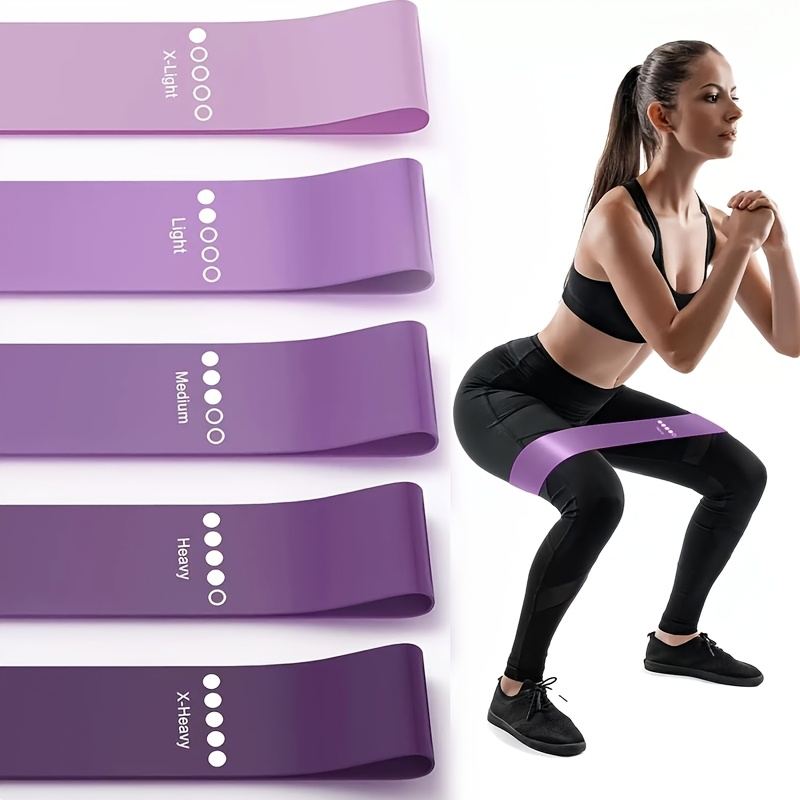
5. Band Face Pull — Shoulder Health Insurance
Purpose: Trains the rear delts and external rotators, counteracting the rounded-shoulder posture of desk work and heavy pressing.
Starting position: Anchor a resistance band at about face height (a door anchor works, or loop it around something sturdy). Hold it with both hands, arms extended, palms down.
Technique: Pull the band toward your face, splitting your hands so the band ends beside your ears, elbows high and wide. Squeeze the shoulder blades hard for one second, then return slowly. Exhale on the pull.
Sets/reps: 2–3 sets of 12–20 reps.
Beginner modification: Use the lightest band you have; the goal is a clean squeeze, not heavy resistance.
Common mistakes: Pulling to the chest instead of the face (this becomes a row); dropping the elbows; shrugging the shoulders up.
Exercise Selection Guide: Which Move for Which Goal?
| Goal | Priority exercises | Notes | | --- | --- | --- | | Maximum width | Lateral raises (first, heavy-ish) + overhead press | Train side delts fresh, when you are strongest | | Overall strength | Overhead press + lateral raises | Press heavy in lower rep ranges (6–10) | | Posture / desk-worker shoulders | Rear delt raises + face pulls | Do these twice a week; they recover fast | | Balanced development | All five exercises | Rotate which exercise goes first every 3–4 weeks | | Joint-friendly option | Seated press + band work + face pulls | Seated pressing and bands load the joint most gently |
Programming Your Shoulder Day
- Frequency: Once a week as a dedicated session, or twice if shoulders are a priority (at least 72 hours apart — the joint needs recovery).
- Order: Heavy press first, then raises from largest to smallest demand: lateral raises, rear delts, front raises, face pulls.
- Rest: 60–90 seconds between press sets; 30–60 seconds between raise sets.
- Total volume: 12–16 working sets per session is plenty. Shoulders are heavily involved in chest and back training too — count that in your weekly total.
- Progression: When you complete all sets at the top of the rep range with clean form, increase weight slightly. Small jumps matter most on raises — even 1–2 lbs per hand is real progress.
For a complete upper-body plan that includes this shoulder work, see our upper-body training guide, and our dumbbell fundamentals guide for technique basics that apply to every press and raise.
Common Shoulder Training Mistakes Men Make
- Only pressing. Pressing builds the front delt, but width comes from the side delt and posture from the rear delt. A press-only routine gives you neither.
- Lateral raises that are actually trap shrugs. If your traps are exhausted after "shoulder" day, your side delts barely worked. Go lighter and stricter.
- Ignoring rear delts. Every push-up and press shortens the front of the shoulder. Without rear-delt work, the joint gets pulled forward into impingement territory over time.
- Training through sharp pain. Muscle burn is fine; sharp, pinching, or catching pain in the shoulder joint is not. Back off, change the angle, or rest the movement for a week.
- Behind-the-neck pressing. It forces the shoulder into an extreme position most people cannot handle safely. Press in front of the head.
Safety Notes
- This guide is for healthy adults. If you have a shoulder impingement, rotator cuff injury, dislocation history, or any medical concern, consult a doctor or physical therapist before starting overhead training.
- The shoulder is the body's most mobile joint — and the most vulnerable. Sharp pain, clicking with pain, or a feeling of instability means stop the exercise and seek professional advice.
- Keep the shoulder blades gently pulled down and back ("set" the shoulders) before pressing or raising — this protects the joint and gives the delts a stable base to pull from.
FAQ
Q: Can I build big shoulders at home without a barbell?
Yes. Dumbbells and bands cover everything the deltoids need: overhead pressing for strength, lateral raises for width, rear-delt work for balance. The limiting factor is almost never equipment — it is consistent progressive training over months, with results varying by individual.
Q: Why do my shoulders click during lateral raises?
Painless clicking is common and usually harmless — tendons moving over bone. But if clicking comes with pain, weakness, or a catching sensation, stop and get the shoulder checked. Switching to a slightly lighter weight and slower tempo often helps.
Q: How heavy should my lateral raises be?
Lighter than you think. The side delt is a small muscle; most men get the best results with weights they can lift strictly for 10–15 reps without shrugging or swinging. If your form breaks, the weight is too heavy — drop it and do clean reps.
Q: Should men train shoulders on push day or separately?
Both work. A dedicated shoulder session (like this one) is ideal if shoulders are a priority. Alternatively, add 2–3 shoulder exercises to the end of a chest/push day. Just make sure total weekly volume stays reasonable — the front delts already work hard during pressing.
Q: Are upright rows bad for shoulders?
Upright rows with a narrow grip and high pull force the shoulder into internal rotation under load, which bothers many people's joints. If you like the movement, use a wide grip and stop the pull at chest height, or substitute lateral raises — they target the same muscle more safely.
The Bottom Line
Complete shoulders need three things: a press for strength, raises for the side and rear delts, and face pulls for joint health. That is this whole workout. Train it once or twice a week, progress the weights in small jumps, and keep the reps strict.
