Push, pull, legs explained for men: what each day trains, key exercises with form cues, sample 3, 4 and 6-day schedules, and honest comparisons of other splits.
Push, Pull, Legs Explained: A Simple Men's Workout Schedule
Walk into any gym and you will hear someone say they are "on PPL." Push, pull, legs is one of the most popular training splits in the world, and for good reason: it is simple to understand, easy to schedule, and it trains your whole body without the overlap and confusion that derail many self-made programs.
This guide explains exactly what push, pull, and legs days train, which exercises belong on each day, how to build the split around a 3, 4, or 6-day week, and how PPL honestly compares to other popular splits. No hype, no promised timelines — just a clear system you can start this week. As with any program, results vary with consistency, nutrition, sleep, and where you are starting from.
This guide contains affiliate links. If you buy through them, VÉLORA may earn a commission at no extra cost to you.
What Push, Pull, Legs Actually Means
The idea is simple: instead of training "chest day" or "arm day," you group exercises by movement pattern:
- Push day: Every exercise where you push weight away from your body — chest, shoulders, triceps. Think bench press, overhead press, dips, push-ups.
- Pull day: Every exercise where you pull weight toward your body — back, biceps, rear deltoids. Think rows, pull-ups, lat pulldowns, curls.
- Legs day: Everything below the waist — quads, hamstrings, glutes, calves. Think squats, deadlifts, lunges, leg curls.
Then you rotate: push, pull, legs, rest, repeat. Pushing muscles rest while you pull, and vice versa, so you can train frequently without hammering the same muscles two days in a row.
Why PPL Works So Well for Men
Most men want three things from training: a stronger upper body, balanced development, and a plan they can remember. PPL delivers all three.
- Balanced by design. Every push has a matching pull, which protects your shoulders and posture — programs built on mirror muscles alone are how imbalances start.
- Flexible frequency. The same three workouts scale from three days a week to six. Your schedule changes; the system does not.
- Easy to track. Three workouts to log and progress. Simplicity is a feature — the program you can follow beats the "optimal" one you abandon.
If you are brand new to structured training, start with the 3-day version below and build the habit before adding days.
Push Day: Exercises and Form Cues
Purpose: Build the chest, front and side deltoids, and triceps.
1. Dumbbell or Barbell Bench Press — Lie on a bench, feet flat on the floor. Lower the weight to mid-chest with elbows at roughly 45 degrees, then press up without locking the elbows hard. Exhale on the press. 3–4 sets of 6–12 reps. Beginner modification: start with push-ups or a floor press.
2. Standing Overhead Press — Press the weight from shoulder height to overhead, bracing your core and keeping your ribs down. Exhale on the press. 3 sets of 6–10 reps. Beginner modification: seated press with back support.
3. Incline Dumbbell Press — Same mechanics as the bench press on a 30-degree incline, emphasizing the upper chest. 2–3 sets of 8–12 reps.
4. Lateral Raises — Light dumbbells, slight bend in the elbows, raise to shoulder height and lower slowly. This is a precision movement — if you are swinging, go lighter. 2–3 sets of 12–15 reps.
5. Triceps Pressdown or Overhead Extension — Keep the upper arms still and extend at the elbow. 2–3 sets of 10–15 reps.
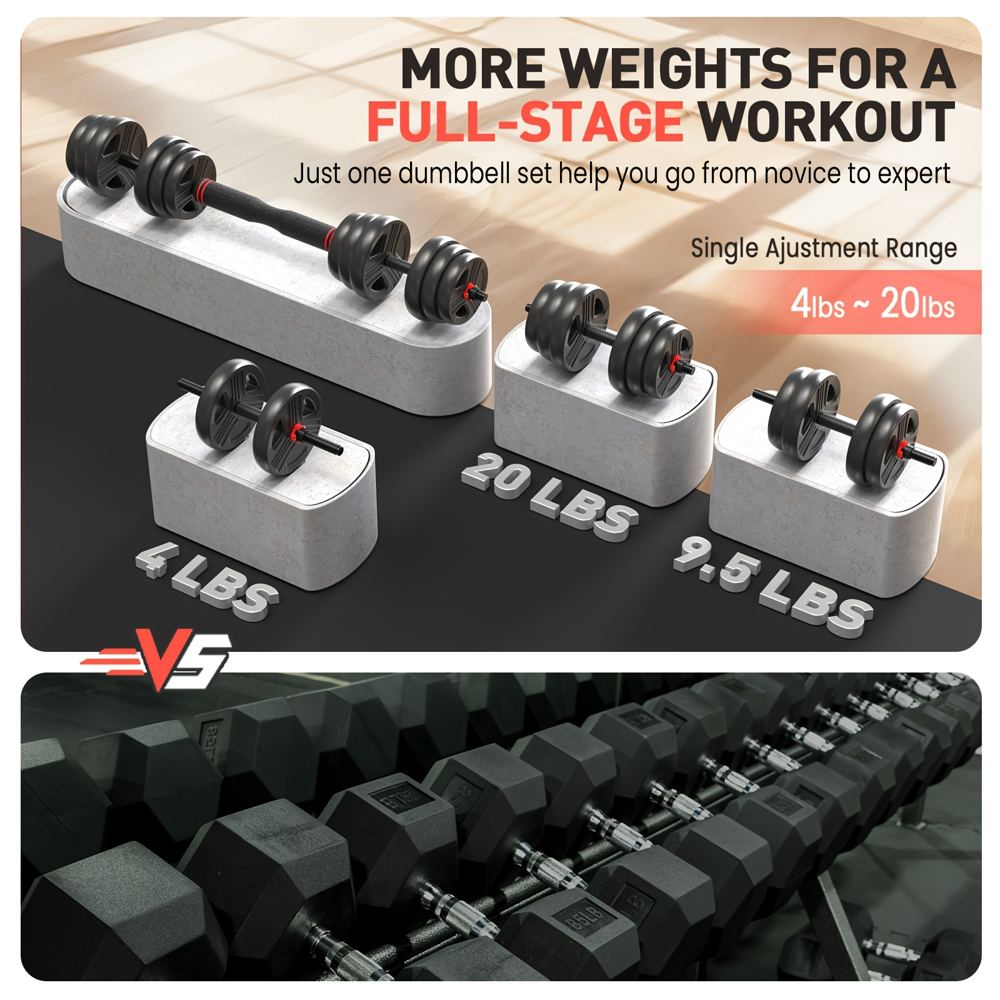
A home setup with an adjustable dumbbell set that converts to barbells and kettlebells covers every pressing movement on this list without a rack full of equipment.
Common push-day mistakes: flaring elbows to 90 degrees on presses (shoulder stress), arching the lower back excessively on the overhead press, and using momentum on lateral raises.
Pull Day: Exercises and Form Cues
Purpose: Build the lats, upper back, rear deltoids, and biceps.
1. Pull-Ups or Lat Pulldowns — Hang from the bar with a full grip, pull your chest to the bar, lower under control. Exhale on the pull. 3–4 sets of as many clean reps as you can (or 6–12 on the pulldown). Beginner modification: band-assisted pull-ups or inverted rows.
2. One-Arm Dumbbell Row — One knee and hand on a bench, back flat. Pull the dumbbell to your ribcage, squeezing the shoulder blade. 3 sets of 8–12 reps per side. Beginner modification: chest-supported row to remove lower-back demand.
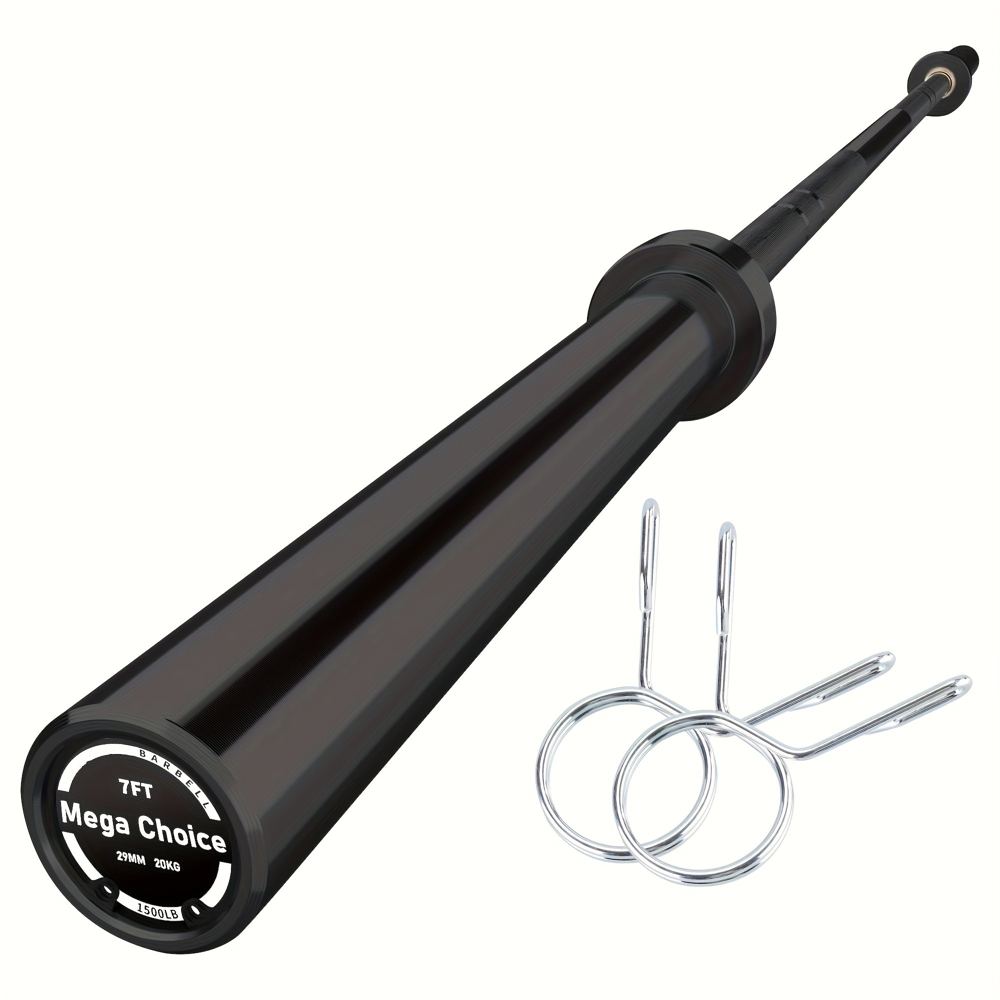
3. Barbell Row or T-Bar Row — Hinge to about 45 degrees, flat back, row the bar to your lower ribs. A 7ft Olympic EZ curl bar works well for home rowing variations. 3 sets of 6–10 reps.
4. Face Pulls — Pull a rope or band to your forehead, elbows high, rotating the knuckles back. The single best shoulder-health movement most men skip. 2–3 sets of 12–15 reps.
5. Dumbbell Biceps Curls — Elbows pinned, curl with control, lower over 2–3 seconds. 2–3 sets of 10–15 reps.
Common pull-day mistakes: shrugging during rows (keep shoulders down), half-repping pull-ups, and rounding the lower back on barbell rows — drop the weight before you sacrifice the hinge.
Legs Day: Exercises and Form Cues
Purpose: Build the quads, hamstrings, glutes, and calves — the foundation of athleticism and the muscles too many men skip.
1. Squats (Barbell, Goblet, or Dumbbell) — Chest up, knees tracking over toes, hips back and down. Inhale on the way down, exhale driving up. 3–4 sets of 6–12 reps. Beginner modification: box squat to a bench to learn depth safely.
2. Romanian Deadlift — Soft knees, hinge at the hips with a flat back, feel the hamstrings load, drive hips forward. 3 sets of 8–12 reps. Beginner modification: dumbbell version with a shorter range of motion.
3. Walking Lunges or Split Squats — Torso upright, front knee over the ankle, lower until the back knee nearly touches the floor. 2–3 sets of 8–12 reps per leg. Beginner modification: hold a wall or rack for balance.
4. Leg Curls (or Nordic Curl Negatives) — If no machine, anchor your feet and lower slowly from kneeling. 2–3 sets of 8–12 reps.
5. Standing Calf Raises — Full stretch at the bottom, pause at the top. 3 sets of 12–20 reps.
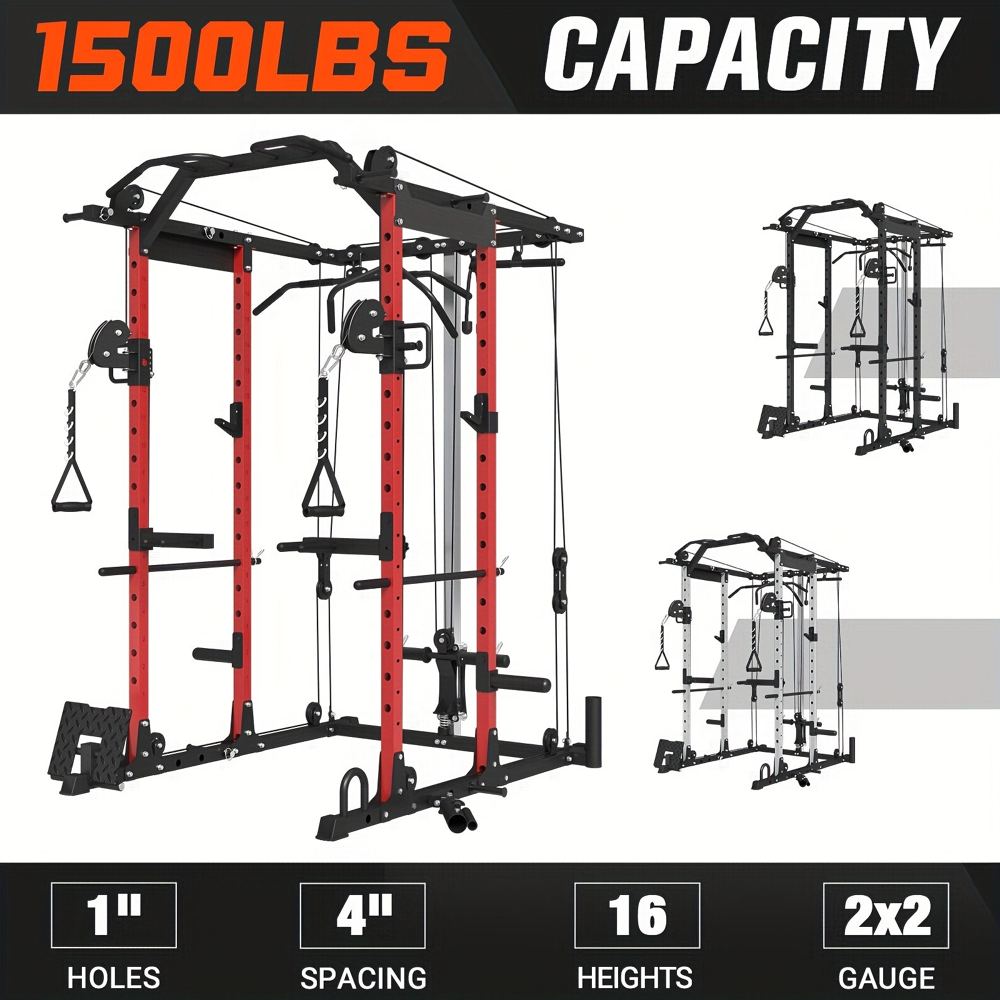
Common legs-day mistakes: squatting with knees caving inward, rounding the back on deadlifts, and — the classic — skipping legs day entirely. A power rack with safety arms, like the 8-in-1 power rack with cable crossover, makes heavy squats and presses safe to do alone at home. Our home gym versus gym membership cost breakdown lays out the real numbers if you are weighing that investment against a membership.
Sample Schedules: 3, 4, or 6 Days
The 3-Day PPL (Beginner-Friendly)
| Day | Session | | --- | --- | | Monday | Push | | Wednesday | Pull | | Friday | Legs |
Each muscle group trains once per week. Simple, recoverable, and genuinely effective for the first 6–12 months. Add a walk or light cardio on two off days if you like.
The 4-Day PPL (The Sweet Spot for Busy Men)
| Day | Session | | --- | --- | | Monday | Push | | Tuesday | Pull | | Thursday | Legs | | Saturday | Push (rotates: next week starts with Pull) |
Rotate the extra day each week so every workout gets the bonus session over time. This is the version most working men can sustain for years.
The 6-Day PPL (Experienced Lifters Only)
Push, pull, legs, push, pull, legs, rest. Each muscle group trains twice weekly. This works only if your sleep, nutrition, and stress are genuinely in order — and you have at least a year of consistent training behind you. Jumping here too early is the fastest route to stalled progress and achy joints.
For help deciding how many days suit your life right now, see our guide on how often to work out — the recovery principles apply equally to men.
PPL vs Other Splits: An Honest Comparison
| Split | Sessions/week | Times each muscle trained | Session length | Best for | | --- | --- | --- | --- | --- | | Push / Pull / Legs | 3–6 | 1–2 | 45–75 min | Balanced strength, flexible scheduling | | Full-body (3x/week) | 3 | 3 | 45–60 min | Beginners, maximum efficiency | | Upper / Lower | 4 | 2 | 45–60 min | Intermediate lifters who like routine | | Bro split (1 muscle/day) | 5–6 | 1 | 60–90 min | Advanced lifters who enjoy volume |
The honest takeaway: for most men, full-body training wins for the first 6–12 months because each muscle gets stimulated three times a week. PPL becomes the better choice once you want longer, more focused sessions and can train four or more days.
Progressing on PPL
- Add weight first. When you hit the top of your rep range with clean form on all sets, add the smallest increment available.
- Track everything. A notebook or phone log of weights, sets, and reps is the difference between training and exercising.
- Deload every 4–8 weeks. One easy week at 60% effort lets accumulated fatigue clear. You will come back stronger, not weaker.
Safety Notes
- This guide is for healthy adults. If you have a heart condition, joint issues, high blood pressure, or other medical concerns, check with your doctor before starting a new program.
- Stop and seek advice if you feel chest pain, severe dizziness, unusual shortness of breath, or sharp joint pain. Muscle effort and normal soreness are fine; joint pain is a signal, not a badge of honor.
- Learn barbell squat and deadlift form with light weights before loading them. A power rack's safety arms exist for a reason — set them on every heavy set.
FAQ
Q: Is push pull legs good for beginners?
The 3-day version is excellent for beginners: simple, balanced, and short enough to learn good form. True beginners often do even better starting with full-body sessions for a few months, then moving to PPL.
Q: Can I do push pull legs 3 days a week and still build muscle?
Yes. Three well-executed sessions per week build real strength and muscle for most men, especially in the first couple of years. Frequency matters less than progressive overload and consistency.
Q: Where do deadlifts go — pull day or legs day?
Either works. Conventional deadlifts fit on pull day or legs day — pick one and keep them there, and do Romanian deadlifts on the other day for balance. Just do not deadlift heavy twice in the same rotation.
Q: Should I do cardio on a PPL split?
Yes — 1–3 easy cardio sessions per week on rest days or after lifting support heart health and recovery without hurting strength gains. Keep hard cardio away from legs day if your legs are already sore.
Q: How long should I stay on push pull legs?
As long as you are progressing and enjoying it — many lifters run PPL for years. When progress stalls for a month despite good sleep and nutrition, change the exercises, the rep ranges, or the split itself.
The Bottom Line
Push, pull, legs is popular because it is built on a genuinely good idea: group training by movement pattern, recover one pattern while you train another, and repeat. Start with three days, learn the big movements with honest form, and add weight slowly. The split is simple — the discipline to repeat it is the actual program.
