Stuck at a desk all day? Under-desk pedal exercisers add gentle movement to work hours. Learn who they suit, their honest limits, and how to pick one.
Pedal Exercisers Explained: Under-Desk Bikes for Home and Office
The average desk worker sits for the better part of the day, and the body notices: stiff hips, a achy lower back, that mid-afternoon slump. Enter the pedal exerciser — a miniature exercise bike with no seat and no handlebars, just pedals and a resistance unit that slides under your desk. Pedal gently while you answer emails, and you've turned dead sitting time into light movement.
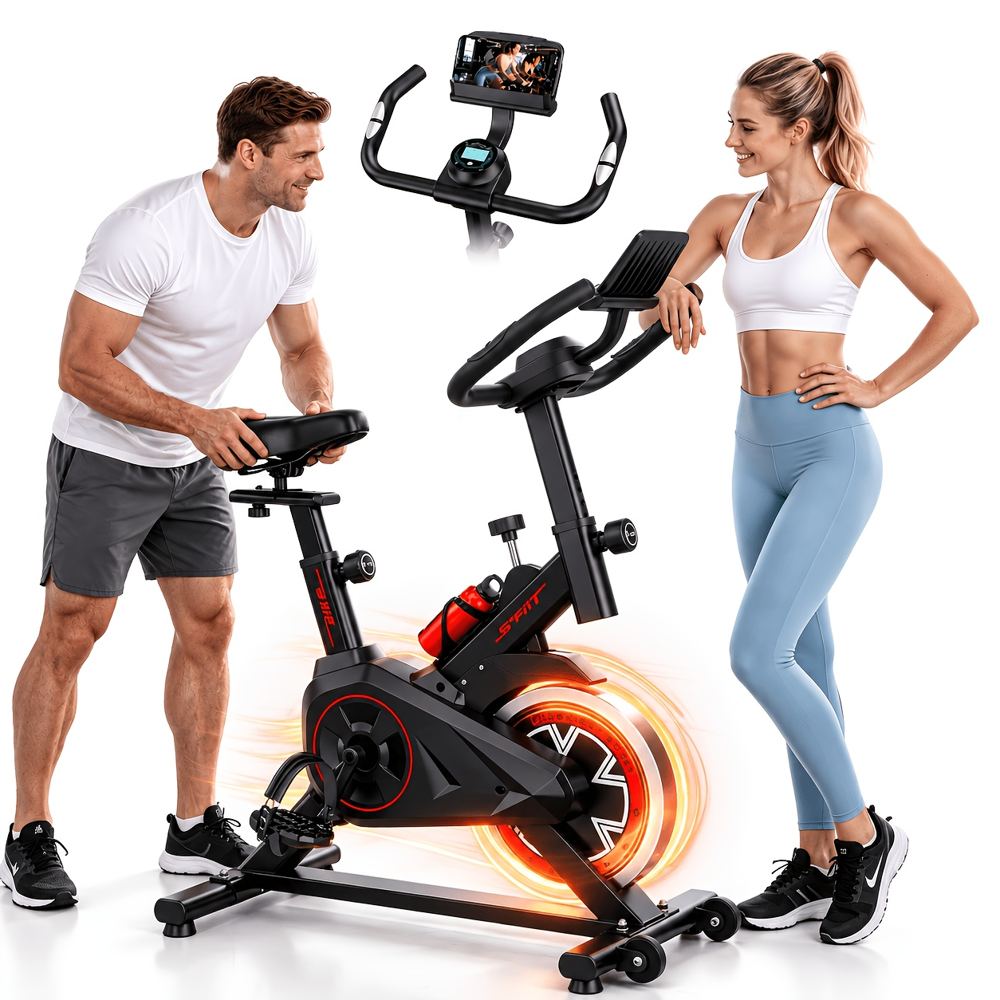
It's an appealing idea, and for the right person it genuinely helps. But pedal exercisers are also surrounded by inflated claims, so this guide stays honest: what these little machines can and can't do, who they're actually for, and how to choose and use one well. (One note on the photos in this guide: they show full-size stationary indoor cycling bikes — the bigger, more powerful cousins that share the same pedaling idea — because they illustrate the movement far better than a product shot of a mini unit.)
This guide contains affiliate links. If you buy through them, VÉLORA may earn a commission at no extra cost to you.
What Is a Pedal Exerciser, Exactly?
A pedal exerciser (also called a mini exercise bike or under-desk bike) is exactly what it sounds like: the pedal-and-resistance portion of an exercise bike, without the frame, seat, or handlebars. You place it on the floor in front of your chair and pedal. Some models can also sit on a tabletop for gentle arm pedaling.
That's the whole concept — light, low-impact leg movement you can do while working, reading, or watching TV. No workout clothes, no shower, no dedicated exercise hour required.
What Pedal Exercisers Can Honestly Do for You
Let's set the record straight before the benefits, because the marketing around these devices runs hot:
What they genuinely offer:
- They break up long sitting. This is the real win. Hours of uninterrupted sitting are rough on the body; gentle pedaling keeps your legs moving and joints from stiffening up.
- Low-impact, joint-friendly movement. Pedaling is smooth and circular — easy on knees and hips compared to pounding pavement.
- Light activity through the day. You'll burn some calories and keep circulation going. Modest, but real.
- A wakefulness nudge. Many people find light movement fights off the post-lunch slump better than another coffee.
What they can't do:
- Replace real cardio. Easy desk pedaling is light activity, not a workout. It won't build meaningful cardiovascular fitness the way brisk walking, cycling, or a proper bike session does.
- Drive weight loss on its own. No device out-pedals nutrition, and no exercise spot-reduces fat. Results vary, and anyone promising otherwise is selling something.
- Build real leg strength. The resistance range on mini units is light by design — fine for movement, insufficient for strength gains.
Who They're a Good Fit For
- Desk workers who want movement woven into calls, emails, and reading — the people most likely to actually use one consistently.
- Beginners easing into activity who find formal workouts intimidating. Ten easy minutes beats zero intimidating minutes.
- Older adults wanting gentle, seated leg movement (with a provider's okay if health conditions are in the mix).
- People with limited space — a pedal exerciser stores in a closet; a full bike doesn't.
- Gentle-movement phases — for example, staying lightly active while recovering, but only with your provider's or physiotherapist's guidance.
Who Should Check With a Provider First
Pedal exercisers are gentle, but "gentle" isn't "for everyone, no questions":
- Knee, hip, or ankle issues — including arthritis flare-ups or recent joint surgery. Low-impact doesn't automatically mean appropriate for your specific condition.
- Balance problems or dizziness — relevant if you plan to use one while standing at a tall desk, or if getting on and off feels unsteady.
- Heart conditions or uncontrolled blood pressure — even light exercise deserves a green light here.
- Pregnancy — gentle movement is often encouraged, but get your provider's okay first, and stop for warning signs like dizziness, pain, unusual shortness of breath, or leaking.
Pedal Exerciser vs. Full Exercise Bike vs. Walking
Honest comparison, because the right tool depends on your actual goal:
| | Pedal exerciser | Full stationary bike | Walking | |---|---|---|---| | Intensity | Light | Light to high | Light to moderate | | Space needed | Tiny — slides under a desk | A bike-sized footprint | None ( outdoors ) | | Best for | Breaking up sitting time | Real cardio at home | Overall health, fresh air, mood | | Strength building | Minimal | Good, with resistance | Modest | | Cost | Low | Medium | Free |
The takeaway: if you want genuine cardio fitness, a full bike — like the magnetic-resistance indoor cycling bike pictured at the top of this guide — or regular brisk walks will do far more. The pedal exerciser's superpower is convenience: it captures movement you'd otherwise skip entirely. For a deeper comparison of full-size options, see our exercise bike vs. treadmill guide.
How to Choose a Pedal Exerciser
Resistance type matters most. Magnetic resistance is smoother and quieter than friction-based units — and in a shared office, quiet is everything. Nobody wants to be the colleague whose desk sounds like a coffee grinder.
Stability. A wide base and non-slip feet keep the unit planted. Wobbling, creeping units are maddening and end up in closets.
Pedal straps. They keep your feet secure so you're pedaling, not chasing the pedals. Adjustable straps fit more shoe sizes.
Display. Basic time, speed, and distance readouts are plenty. Don't overpay for fancy screens on a device whose job is background movement.
Build and weight capacity. Check the ratings — a flimsy unit under a heavier user flexes, creaks, and dies young.
Noise. If you'll use it on calls or in a shared space, quiet operation isn't a luxury, it's the whole point. Magnetic units win here again.
Setup: The Details That Make or Break It
Most abandoned pedal exercisers weren't bad products — they were bad setups. Get these right:
- Chair height: at the top of the pedal stroke, your knee should have a comfortable bend — roughly 90 degrees or more open. Too low and your knees jam into your chest; too high and you rock side to side.
- Desk clearance: measure the distance from the floor to the underside of your desk, then compare it to the unit's height plus your knee travel. Measure before buying, not after.
- A mat underneath. A non-slip exercise mat stops the unit sliding, protects floors, and damps vibration — especially on hard flooring.
- Lock your chair. Pedaling in a rolling chair turns you into a slow-motion bumper car. Lock the wheels or use a stable, non-rolling chair.
- Screen position. Don't crane your neck down to see a laptop while pedaling — raise the screen and keep a neutral posture. Our stretches for desk workers pairs well with any under-desk setup.
How to Use It: A Beginner's Plan
Treat the first two weeks as an experiment, not a challenge:
- Weeks 1–2: 10–15 minutes at easy resistance, once or twice a day. Conversational pace — you should be able to work, talk, and think normally. If you're breathing hard, the resistance is too high for desk use.
- Build gradually: add about 5 minutes per week, and nudge resistance up only when the current level feels trivial.
- Think in accumulated minutes: 20–40 minutes of easy pedaling scattered across the workday beats one heroic session you dread.
- Posture: sit tall, shoulders relaxed, lower back supported by the chair. Don't hunch over the keyboard to compensate.
- Pair it with real movement: pedal exercisers work best as part of a bigger picture — two or three short walks plus two days of basic strength work weekly makes a genuinely complete routine. If space is tight, our best compact under-desk exercise options round out the picture.
When to Consider Stepping Up to a Full Bike
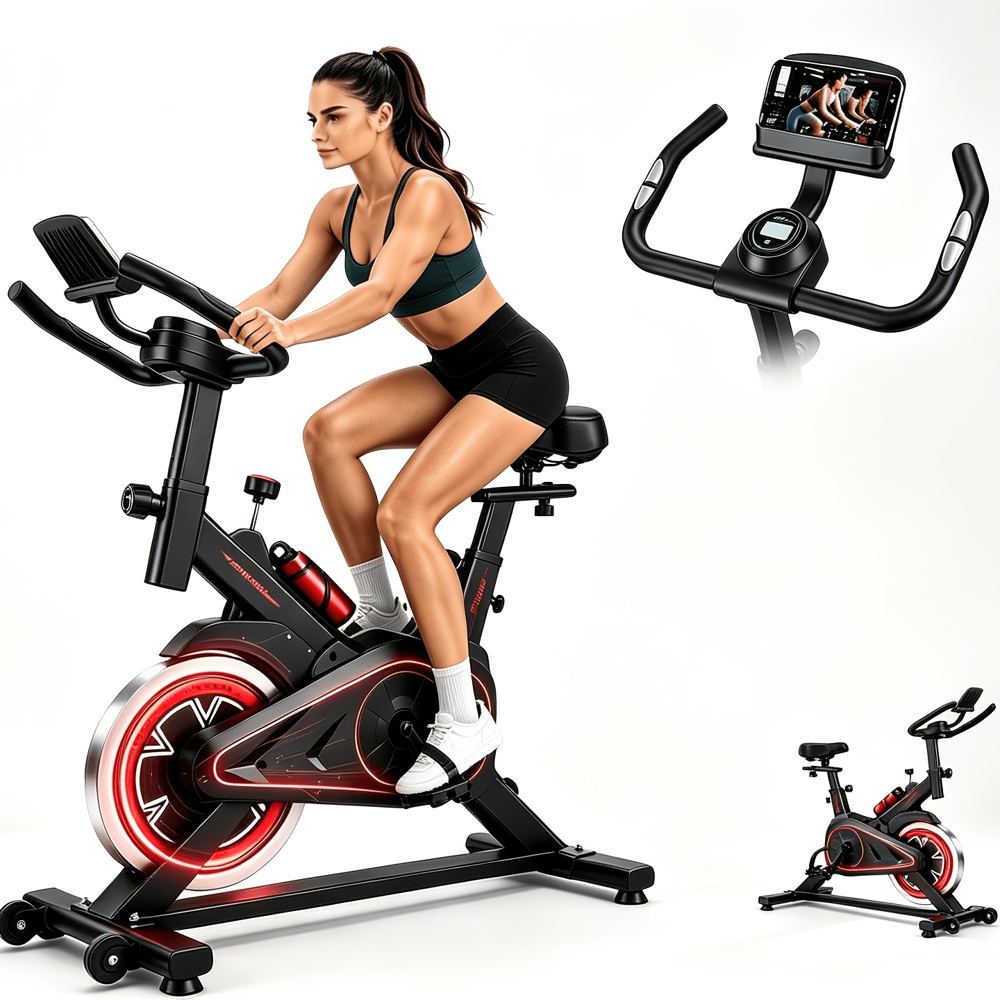
There's a natural graduation point. If you find yourself craving harder sessions, wanting to actually get your heart rate up, or pedaling the mini unit at max resistance wishing for more — you're ready for the real thing. A full stationary bike like the upgraded multi-level adjustable indoor bike gives you proper resistance ranges, a stable riding position, and workouts that actually build fitness rather than just breaking up sitting. Many people keep both: the mini unit at the office, the real bike at home.
Common Mistakes
- Cranking the resistance like it's a spin bike. That's not what this tool is for — high resistance at a desk wrecks your posture and your focus.
- Pedaling for hours without standing. Get up regularly regardless. The pedal exerciser reduces sitting harm; it doesn't erase it.
- Bad ergonomics: knees hitting the desk, hunching over, chair rolling away. Fix the setup and the habit sticks.
- Expecting weight loss from pedaling alone. Light activity supports an active lifestyle; it doesn't override nutrition.
- Buying before measuring. Desk clearance surprises are the top reason these end up unused.
Safety Notes
- Stop for knee or hip pain, dizziness, numbness, or any unusual symptoms. Mild muscle warmth is fine; joint pain is not.
- Keep the unit and its cords clear of walkways — it's a trip hazard for anyone not expecting it.
- Don't use it on slippery floors without a mat underneath.
- If you have a medical condition, check with your provider before starting — even gentle exercise deserves a green light when health issues are involved.
FAQ
Q: Do pedal exercisers actually burn calories?
Yes, but modestly — think light activity, far below a real workout. Their value isn't calorie burn; it's replacing hours of completely still sitting with hours of gentle movement. Results vary, and no device compensates for nutrition on its own.
Q: Are pedal exercisers good for bad knees?
They're low-impact and many people with creaky knees find pedaling comfortable, but "low-impact" doesn't mean "right for your condition." If you have knee issues, arthritis, or a recent injury or surgery, get your provider's or physiotherapist's input first.
Q: Can you really use one under a normal desk?
Yes — if the clearance fits. Measure from the floor to the underside of your desk and compare against the unit's height plus your knee travel at the top of the pedal stroke. Standard desks usually work; low or fixed-height desks sometimes don't.
Q: How long should I pedal each day?
Start with 10–20 minutes total, split however you like. Build toward 20–40 accumulated minutes across the workday over a few weeks. There's no magic number — consistency beats duration.
Q: Pedal exerciser vs. walking — which is better?
Walking wins for overall health, fitness, mood, and fresh air — it's not close. The pedal exerciser wins for convenience during work hours you'd otherwise spend completely still. The honest best answer is both: walk when you can, pedal when you're stuck at the desk.
Conclusion
A pedal exerciser is a humble tool with an honest job: turning dead sitting time into light movement. It won't transform your fitness, melt fat, or replace real exercise — and it was never designed to. But for desk workers, beginners, and anyone whose days are long on sitting and short on time, those accumulated easy minutes add up to joints that feel better and afternoons that drag less. Set it up right, keep expectations realistic, and let it do the quiet work it was made for.
