Train legs and glutes at home with bands, light weights and bodyweight: 7 effective moves, form cues, rep ranges, and a weekly split that avoids burnout.
Lower-Body Home Workout: Legs and Glutes, Minimal Equipment
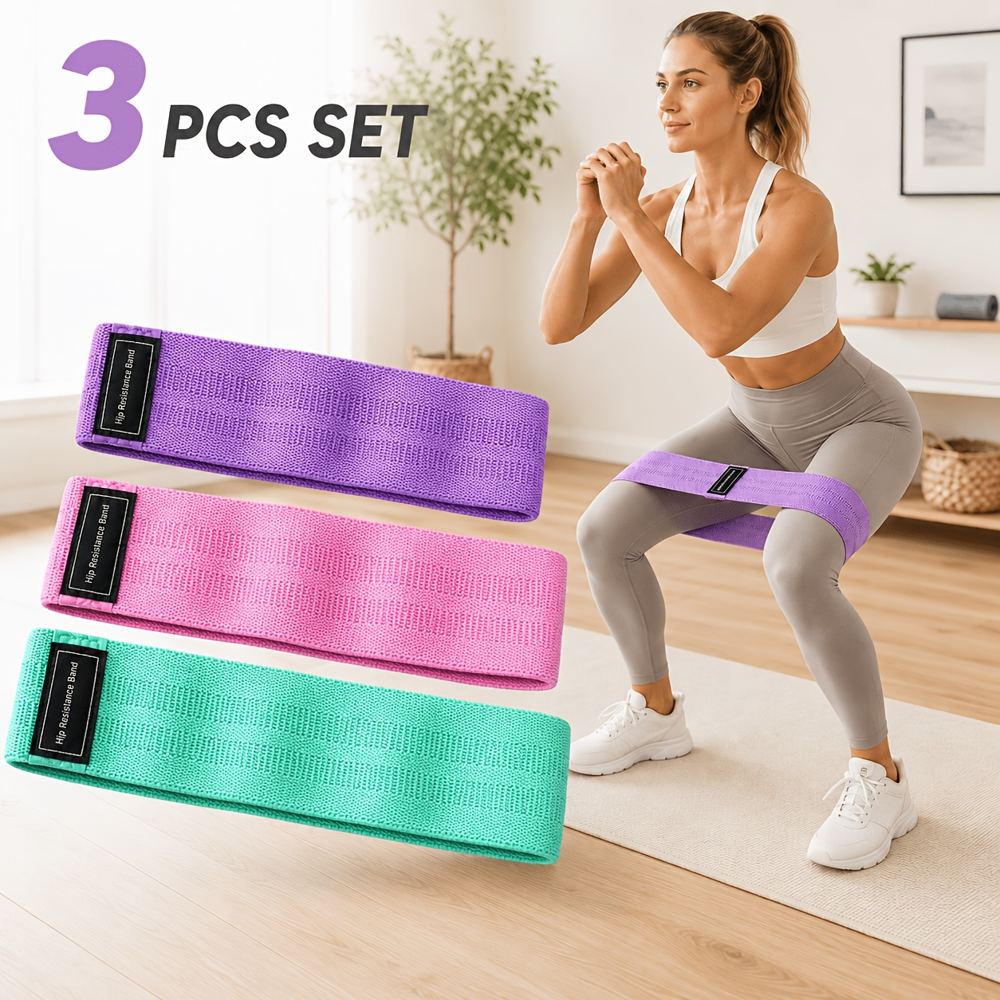
Your legs contain the largest muscles in your body, and they respond beautifully to simple training — no leg press machine required. A few loop bands, a light kettlebell, and your own bodyweight are enough to build genuinely strong quads, glutes, hamstrings, and calves at home. For many women, lower-body day is also the favorite session of the week: the muscles are big, the progress is visible in performance fast, and the everyday payoff — stairs, hills, carrying things — shows up quickly.
This guide gives you seven moves covering every major lower-body muscle group, the logic for ordering them, and a sample week that builds strength without burnout.
This guide contains affiliate links. If you buy through them, VÉLORA may earn a commission at no extra cost to you.
Why Home Leg Training Works
Legs adapt to progressive overload — gradually asking for a little more — and that progression does not require machines. Bodyweight squats become goblet squats; glute bridges become single-leg bridges; band walks get a stronger band. Each step is small, each is doable at home, and together they build real strength over months.
One honest note: no exercise shrinks fat from one chosen area. Leg workouts build and firm the muscles underneath; overall body composition responds to nutrition, sleep, activity, and time. Train your legs because strong legs are useful and feel great — not because any move "melts thigh fat."
Your Minimal Toolkit
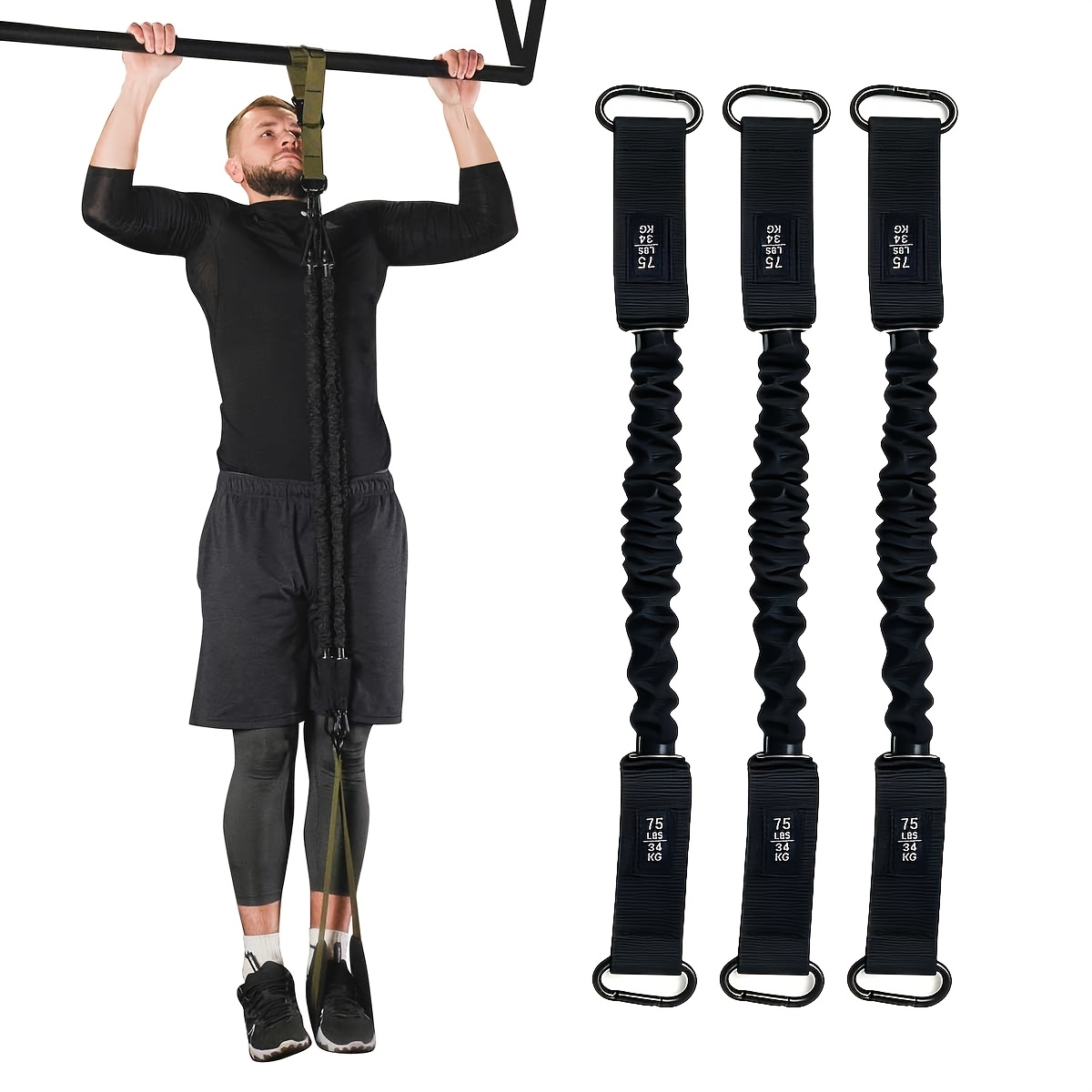
- Loop resistance bands — the 3-Pack Loop Bands for Squat, Glute and Leg Work covers glute activation, lateral walks, and assisted or loaded bridges.
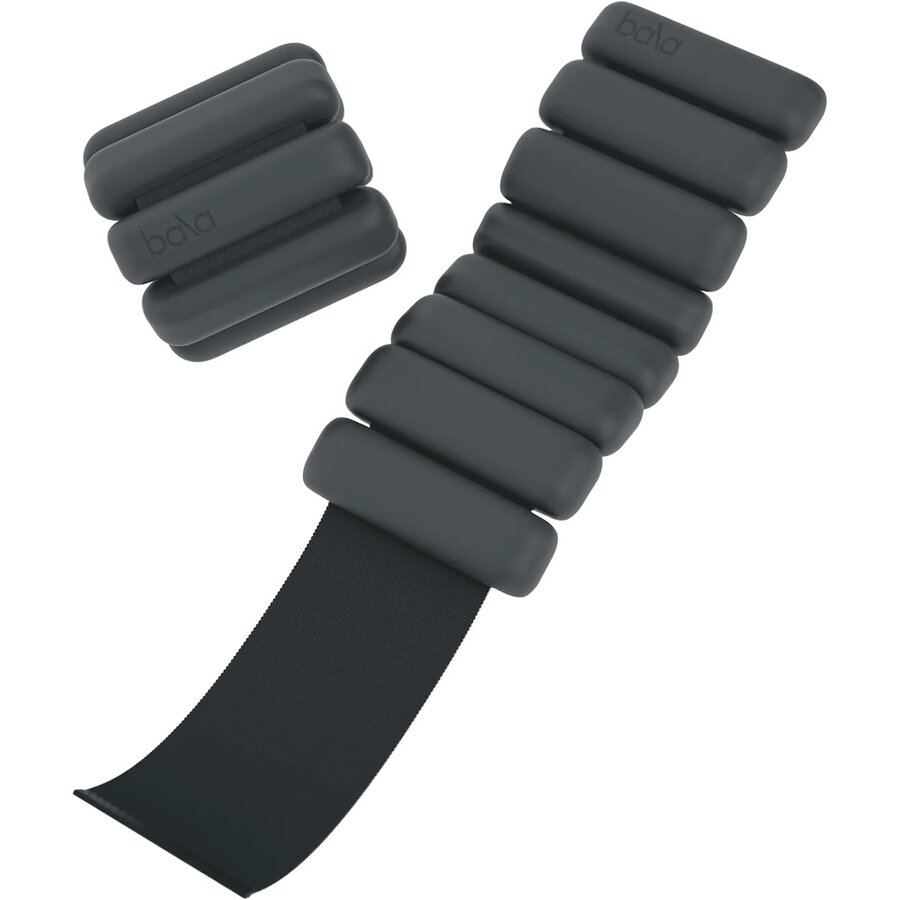
- Light ankle/wrist weights — a wearable ankle-weight set adds gentle resistance to bridges, leg lifts, and calf work without any setup.
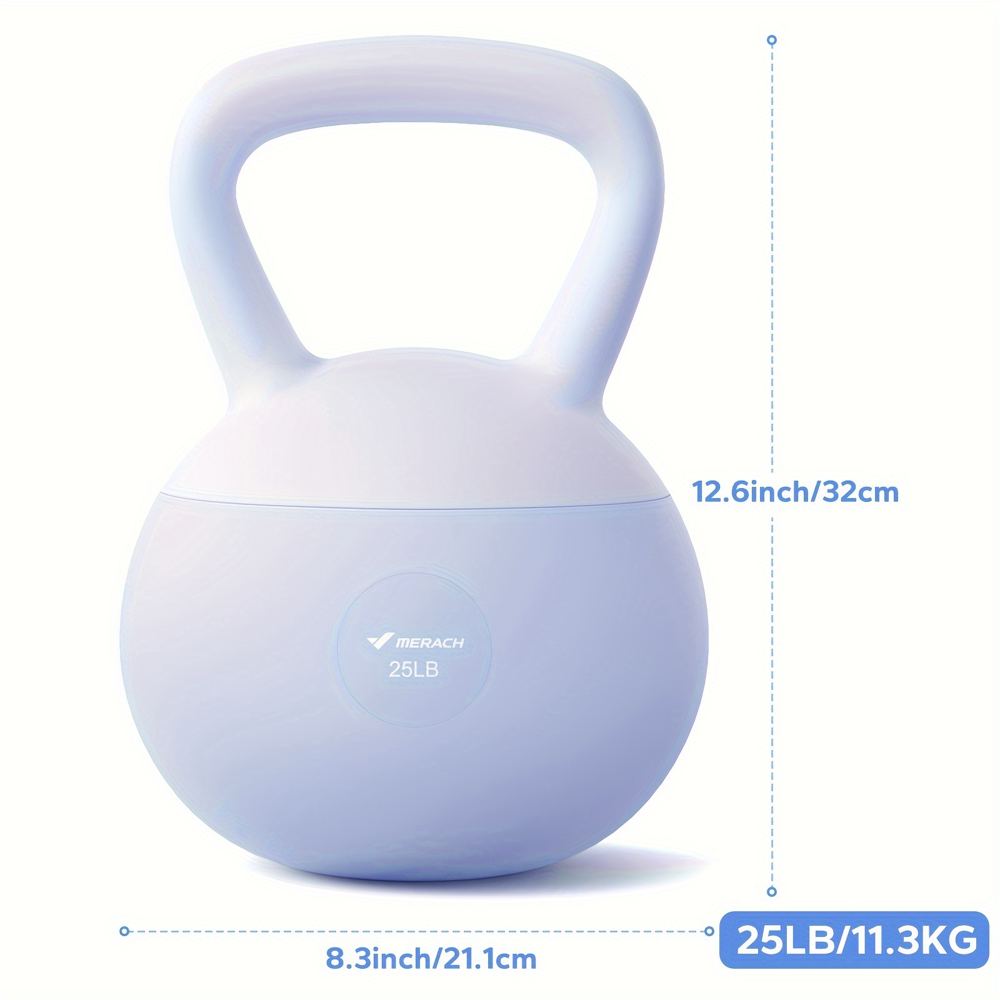
- One kettlebell (optional but excellent) — a Soft Kettlebell with Wide Non-Slip Handle is perfect for goblet squats and Romanian deadlifts, and the soft shell is forgiving on floors.
- A sturdy chair or step for step-ups, Bulgarian split squats, and elevated calf raises.
Warm up for five minutes before the first move: marching in place, bodyweight squats, leg swings, and glute bridges.
The 7 Moves
1. Glute Bridge — Glutes, Hamstrings
How to: Lie on your back, knees bent, feet flat and hip-width apart. Press through your heels and lift your hips until your body forms a straight line from shoulders to knees. Squeeze your glutes hard at the top for one to two seconds, then lower slowly. Exhale as you lift, inhale as you lower.
Sets/reps: 3 sets of 10–15 reps, resting 45–60 seconds between sets.
Beginner modification: Lift halfway and focus on the squeeze. Progression: loop a band above your knees, or try single-leg bridges.
2. Bodyweight Squat — Quads, Glutes
How to: Stand with feet slightly wider than hip-width, toes turned out 10–15 degrees. Push your hips back, bend your knees, and lower until your thighs are roughly parallel to the floor — chest proud, knees tracking over your toes, heels down. Drive through your whole foot to stand. Inhale down, exhale up.
Sets/reps: 3 sets of 10–15 reps, resting 60–90 seconds between sets.
Beginner modification: Squat to a chair — tap and stand. Progression: hold a kettlebell at your chest for goblet squats.
3. Reverse Lunge — Quads, Glutes (Knee-Friendly)
How to: Stand tall, then step one foot straight back and lower until both knees are near 90 degrees — front knee over the ankle, torso upright, core braced. Push through your front heel to return. Alternate legs or do all reps on one side before switching.
Breathing: Inhale as you lower, exhale as you push back up.
Sets/reps: 2–3 sets of 8–12 reps per leg, resting 60 seconds between sets.
Beginner modification: Shorten the step and the depth. Progression: hold dumbbells or a kettlebell at your sides.
4. Romanian Deadlift — Hamstrings, Glutes
How to: Stand tall holding a kettlebell (or dumbbells) in front of your thighs, feet hip-width apart, knees soft. Push your hips straight back as the weight slides down your thighs — back flat, weight close to your legs. Lower until you feel a hamstring stretch, then drive your hips forward to stand, squeezing your glutes. Inhale down, exhale up.
Sets/reps: 3 sets of 8–12 reps, resting 60–90 seconds between sets.
Beginner modification: Practice the hip hinge with no weight until the pattern feels natural. This is the most technical move here — earn it before loading it.
5. Band Lateral Walk — Glute Medius (Outer Glutes)
How to: Place a loop band just above your knees (or around your ankles for more challenge). Sink into a quarter-squat, chest up, and take 10–15 controlled steps to one side — leading with the heel, never letting your knees cave inward. Then walk back. Keep tension on the band the whole time.
Breathing: Breathe steadily; exhale on each step.
Sets/reps: 2–3 sets of 10–15 steps per direction, resting 30–45 seconds between sets.
Beginner modification: Use the lightest band, or do the walk without a band until the pattern is clean.
6. Standing Calf Raise — Calves
How to: Stand on the edge of a step with your heels hanging off, holding a wall or chair for balance. Rise onto the balls of your feet, pause one second at the top, and lower slowly until you feel a stretch. Ankle weights add resistance without changing the movement.
Breathing: Exhale as you rise, inhale as you lower.
Sets/reps: 3 sets of 12–20 reps, resting 30–45 seconds between sets.
Beginner modification: Do them on flat ground before progressing to a step.
7. Bulgarian Split Squat or Step-Up — Single-Leg Strength
How to (Bulgarian split squat): Stand a stride in front of a chair, top of your rear foot resting on it. Lower straight down until your front thigh is near parallel, keeping your torso upright and front knee over your ankle. Drive through your front heel to stand. Easier alternative (step-up): step onto a sturdy chair or step with one foot, drive through the heel to stand tall, and lower with control — do not push off the trailing leg.
Breathing: Inhale as you lower, exhale as you drive up.
Sets/reps: 2–3 sets of 8–10 reps per leg, resting 60–90 seconds between sets.
Beginner modification: Start with step-ups — they are the gentlest entry to single-leg work. Hold a wall for balance on either version.
Ordering Logic: How to Sequence the Session
The order is deliberate:
- Glute activation first (bridge, lateral walk) — waking up the glutes ensures they actually participate in the bigger moves instead of letting the quads do everything.
- Big bilateral moves next (squat, Romanian deadlift) — the heaviest, most demanding work happens while you are fresh.
- Single-leg work after (lunge, split squat/step-up) — balance and coordination are safer once the prime movers are warm but before you are exhausted.
- Calves last — small muscle, low fatigue cost, a clean finisher.
Follow this order and the session flows: about 40–50 minutes including warm-up.
A Sample Week (Without Burnout)
Two hard leg days per week is plenty for most women — the legs need roughly 48 hours between demanding sessions:
- Monday: This full lower-body session (all 7 moves)
- Tuesday: Upper body or rest
- Wednesday: Cardio, walking, or rest
- Thursday: Lighter lower-body day — glute bridge, lateral walk, step-ups, calf raises (skip the heavy squat and deadlift)
- Friday: Upper body or rest
- Weekend: Rest, walking, or activity you enjoy
If your legs are still very sore on Thursday, push the lighter day to Friday. Soreness in the first two to three weeks is normal (it fades as your body adapts); persistent joint pain is not — see the safety notes.
For glute-focused programming beyond this session, our Glute Workout at Home for Women goes deeper, and the Lower-Body Workout for Women guide covers the broader programming picture.
Common Mistakes
- Knees caving inward on squats and lunges. Cue: push your knees out over your toes. A loop band above the knees gives instant feedback.
- Quad-only training. If every session is squats and lunges with no hinge or bridge work, the glutes and hamstrings fall behind — and knee complaints often follow.
- Skipping single-leg work. Bilateral moves let your stronger side compensate. Single-leg work exposes and fixes imbalances.
- Forcing depth with a rounded back. Depth is earned through mobility and control. A parallel squat with a neutral spine beats a deep squat with a rounded back every time.
- Adding weight before mastering form. The Romanian deadlift especially rewards patience — a clean hinge with a light kettlebell builds more strength than a sloppy one with a heavy weight.
- No rest days between leg sessions. The 48-hour rule exists because adaptation happens during recovery.
Safety Notes
- Stop any exercise that causes sharp knee, hip, or back pain. Muscle burn and effort are normal; joint pain is information — check your form, reduce range or load, and see a clinician or physiotherapist if it persists.
- Keep ankle weights light — they suit accessory work like bridges and leg lifts, not heavy loading.
- If you are pregnant, get provider clearance before lower-body training, and favor supported positions as your body changes.
- Check with a clinician before starting if you manage a joint condition, high blood pressure, a heart condition, or are recovering from surgery or injury.
- Exercise on a non-slip surface with supportive footwear, and keep the area around you clear of the weights.
FAQ
Q: Will leg workouts make my thighs bigger?
They will make your thigh and glute muscles firmer and stronger. Whether thighs get measurably larger depends on training volume, load, nutrition, and genetics — most women doing 2 sessions a week with moderate weights see shape and firmness improve without dramatic size change. Results vary individually.
Q: How often should I train legs?
Twice per week with about 48 hours between sessions is the sweet spot for most women. Beginners can start with once a week and add the second day after a month.
Q: I am sore for days after leg day. Is that normal?
In the first two to three weeks, yes — it is called delayed-onset muscle soreness, and it fades as your body adapts. Ease in with fewer sets, and keep moving gently on rest days. If soreness is severe enough to change how you walk for more than three days, you did too much — scale back next time.
Q: Are bands enough for glute growth, or do I need weights?
Bands are enough for a long time — most beginners have months of progression available in band tension, single-leg variations, and tempo work. When you can do 15+ clean single-leg bridges and slow Bulgarian split squats, adding a kettlebell or dumbbells is the natural next step.
Q: Lunges hurt my knees. What should I do instead?
Try reverse lunges with a shorter step (they are the most knee-friendly lunge), step-ups, or split squats with a reduced range. Check that your front knee tracks over your ankle and is not sliding forward past your toes. If pain persists despite good form, stop and get it assessed — do not train through knee pain.
Q: Can I do this workout barefoot?
Yes, on a mat or non-slip floor — many women prefer the stability feedback. Just be careful with the kettlebell: wear shoes or keep the weight away from your feet when setting it down.
The Bottom Line
Seven moves, minimal equipment, twice a week: glute bridge, squat, reverse lunge, Romanian deadlift, lateral walk, calf raise, and a single-leg challenge. Order them glutes first and heaviest while fresh, progress patiently, and respect the rest days. Your legs carry you through everything — training them is one of the highest-return investments in fitness, and you can do the whole thing at home.