Diastasis recti affects many new moms. Learn which core exercises are generally safe, which to hold off on, warning signs to stop, and when to seek guidance.
Diastasis Recti and Core Exercise: What New Moms Should Know
If your belly still looks a few months pregnant long after delivery, or you notice a ridge bulging down the middle of your abdomen when you sit up, you may be dealing with diastasis recti — a separation of the two sides of the rectus abdominis ("six-pack") muscle along the midline connective tissue. It is common after pregnancy, it is not your fault, and it does not mean your body is broken.
This guide explains what diastasis recti is, which core exercises are generally considered safe while you recover, which ones to hold off on, and the warning signs that mean stop and seek professional care. One essential rule first: get clearance from your doctor or midwife before starting any core exercise program postpartum, and consider an assessment by a pelvic health physiotherapist — they can confirm the separation and what is appropriate for your body.
This guide contains affiliate links. If you buy through them, VÉLORA may earn a commission at no extra cost to you.
What Diastasis Recti Actually Is
During pregnancy, the growing uterus stretches the abdominal wall, and hormones soften the connective tissue (the linea alba) running down the center of your abdomen. In many women, the two halves of the rectus abdominis separate to make room. After birth, the gap narrows on its own for many women over weeks to months — but for others it remains wider, with midline tissue less able to manage pressure.
A few honest points before we go further:
- This is not a diagnosis guide. Only a qualified professional can assess diastasis recti properly. If you suspect it, book an assessment rather than self-diagnosing from internet tests.
- A gap alone is not the whole story. Professionals also look at the tension and depth of the midline tissue and how it behaves under load — a small gap with good tension often functions better than a "closed" gap with poor tension.
- Healing is not linear and not guaranteed on a timeline. Recovery varies enormously between women. Be wary of any program promising to "close the gap" in a fixed number of weeks — no honest professional promises that.
- Exercise is supportive, not magic. Gentle, well-chosen movement supports recovery; aggressive or poorly chosen exercise can slow it.
For broader postpartum recovery context, see our Postpartum Exercise Guide and Pelvic Floor Exercises for Women — the pelvic floor and deep core recover as a team.
The Core Principle: Manage Pressure, Don't Create It
With diastasis recti, the central question for every exercise is: does this create outward pressure (bulging or doming) along my midline? If the midline tissue is thin, exercises that spike intra-abdominal pressure — heavy crunches, planks held too long, heavy lifting with breath-holding — can push the tissue outward instead of letting the muscles work.
So the goal is not to avoid all core work. It is to choose exercises that train the deep core (especially the transverse abdominis and pelvic floor) without doming, and to progress only as the midline learns to manage load.
Getting Started Safely
- Get medical clearance first. Especially after a C-section or complicated delivery, wait for your provider's go-ahead — typically around the 6-week check, but timelines vary.
- Consider a pelvic health physiotherapist assessment. They can measure the separation, test tissue tension, and clear specific exercises — one appointment worth more than any article.
- Start with breathing and connection, not intensity. The first weeks are about re-establishing the brain-to-core connection, not about working hard.
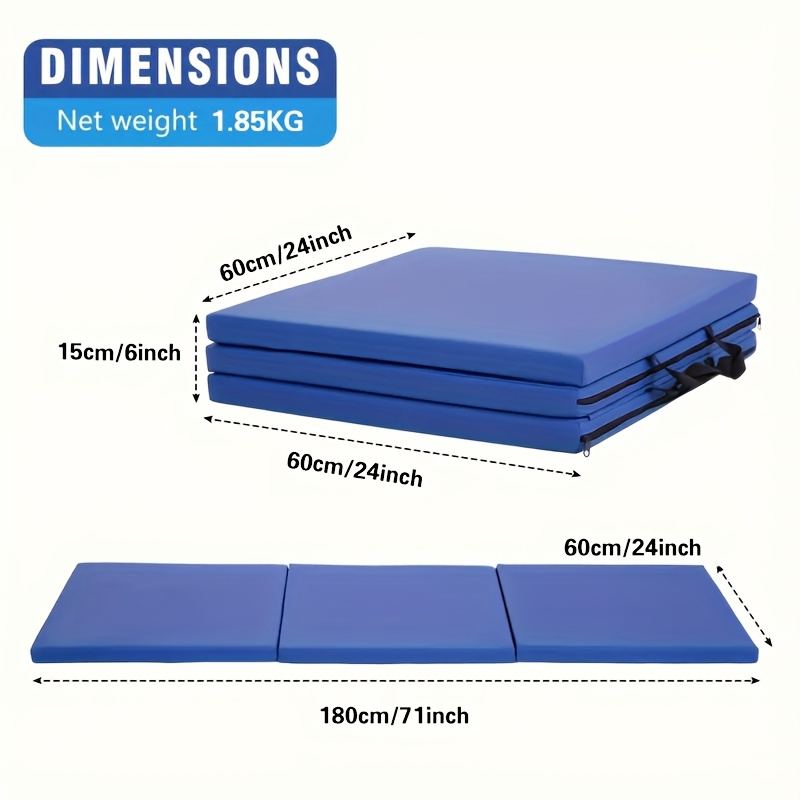
- Work on a comfortable surface. A cushioned mat like the Black Folding Gym Mat or the Thickened 10mm Fitness Yoga Mat makes gentle daily practice far more inviting.
Exercises Generally Considered Safe to Start With
These are commonly included in early postpartum core programs because they train the deep stabilizers with minimal midline pressure. Still: start only with clearance, move slowly, and stop if you see doming.
1. Diaphragmatic (360-Degree) Breathing
Purpose: Reconnects breath to deep core and pelvic floor — the foundation everything else builds on.
How to do it: Lie on your back, knees bent, one hand on your belly and one on your ribcage. Inhale through your nose, feeling belly, sides, and lower back expand gently. Exhale slowly, feeling your waist narrow slightly and your pelvic floor lift lightly — gentle, not a hard squeeze.
Reps: 5–10 slow breaths, 1–3 times daily. No straining, no breath-holding.
2. Pelvic Tilts
Purpose: Wakes up the deep abdominals with almost no load.
How to do it: Lying on your back, knees bent, exhale and gently flatten your lower back into the floor by tilting your pelvis. The movement is small; your hips barely move.
Reps: 2–3 sets of 8–12 slow repetitions.
Watch for: Keep the motion gentle. If your midline domes, reduce the effort — even less is fine.
3. Heel Slides
Purpose: Introduces leg movement while the core practices staying quiet and stable.
How to do it: On your back, knees bent, brace gently. Exhale and slowly slide one heel along the floor until the leg is nearly straight, then draw it back. Alternate sides.
Reps: 2–3 sets of 6–10 per side.
Beginner modification: Slide the heel only halfway until control improves.
4. Toe Taps (Bent-Knee Lowering)
Purpose: A gentle step up from heel slides — more challenge for the deep core.
How to do it: On your back, knees at tabletop (hips and knees at 90 degrees), back neutral with a gentle brace. Exhale and slowly lower one foot to tap the floor, then return. Alternate sides.
Reps: 2–3 sets of 6–8 per side.
Watch for: If your back arches or your midline domes, return to heel slides for another week or two.
5. Side-Lying Leg Lifts
Purpose: Strengthens the hips and obliques without loading the front abdominal wall.
How to do it: Lie on your side, head supported, hips stacked. Keeping your trunk long and braced gently, lift the top leg to about hip height and lower slowly.
Reps: 2–3 sets of 8–12 per side.
6. Glute Bridge
Purpose: Strengthens glutes and teaches hip-core coordination; the back stays supported throughout.
How to do it: On your back, knees bent, feet flat. Exhale, squeeze glutes, and lift hips until knees-to-shoulders form a line. Lower slowly.
Reps: 2–3 sets of 8–15.
Watch for: Keep the lift modest — overarching strains the back and spikes pressure.
Movements to Hold Off On (Until Cleared)
These are not "bad exercises" — they are high-pressure movements usually reintroduced later, once a professional confirms your midline manages load well:
- Crunches, sit-ups, and V-ups — direct, high-pressure flexion of the rectus abdominis.
- Front planks held long — sustained pressure on the midline; sometimes reintroduced in modified (knee or incline) form first.
- Heavy overhead lifting and intense bearing-down — spikes intra-abdominal pressure.
- Intense twisting under load — aggressive rotational work before the midline is ready.
- Double leg lifts and hanging leg raises — heavy leverage on the abdominal wall.
- High-impact exercise (running, jumping) before pelvic floor and core control are rebuilt.
When in doubt about any exercise, the question is always the same: can I do this without my midline bulging or doming? If not, it waits.
Safe vs. Hold-Off: Quick Comparison
| Generally considered safer (with clearance) | Hold off on (until professionally cleared) | |---|---| | 360-degree breathing and gentle pelvic floor connection | Crunches, sit-ups, V-ups | | Pelvic tilts | Long-held front planks | | Heel slides | Double straight-leg lifts | | Bent-knee toe taps | Hanging leg raises | | Side-lying leg lifts | Heavy overhead pressing with breath-holding | | Glute bridges (modest range) | Intense loaded twisting | | Walking and gentle movement | Running/jumping before core control returns |
Warning Signs: STOP and Seek Care
Stop the exercise immediately — and contact your doctor or pelvic health physiotherapist — if you notice any of these:
- Bulging or doming along the midline of your abdomen during or after exercise (a ridge or "bread loaf" shape when you exert yourself).
- Pain in the abdomen, pelvis, or lower back during or after core work.
- Pelvic pressure or heaviness — a dragging or bulging sensation in the pelvic floor.
- Leaking urine (or difficulty controlling gas) during exercise.
- Back pain that is new, worsening, or does not settle with rest.
- Bleeding beyond what your provider said to expect, or any dizziness, chest pain, or shortness of breath.
These are not signs to push through. They are your body's request for professional assessment — and getting that assessment early leads to better outcomes than training around the problem alone.
A Gentle Sample Week
Once cleared, a calm weekly rhythm: daily 5 minutes of breathing + pelvic floor connection; 3–4 days 10–15 minutes of the safe-start exercises (pick 3–4, 2–3 sets each); daily short walks as tolerated. Skipped sessions are not failures — consistency over months matters more than intensity in any week. As control improves, a physiotherapist can guide progression toward general programs like our Core Workout for Women Beginners.
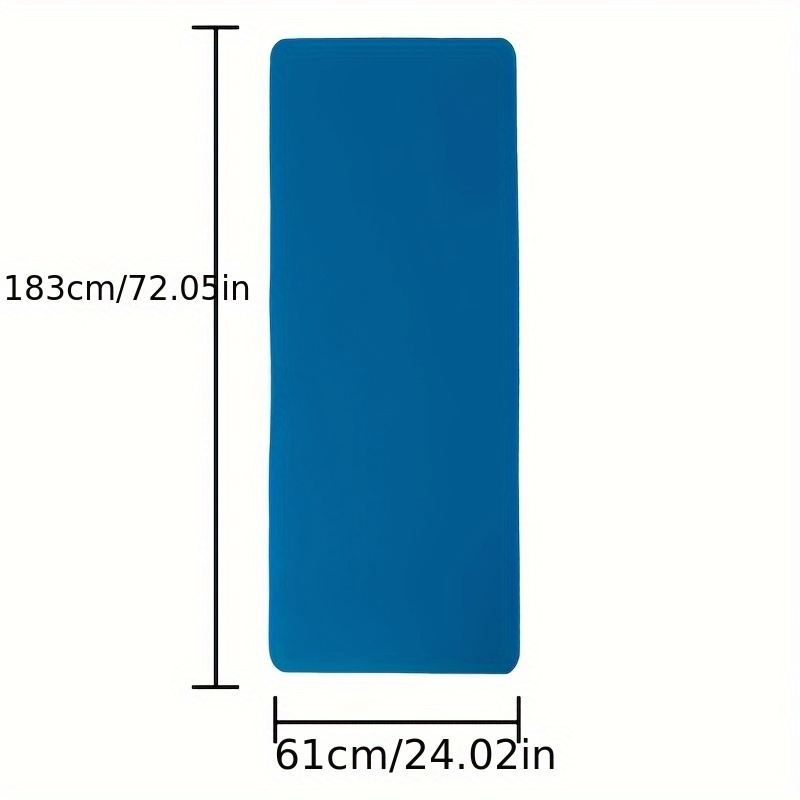
For daily practice, a dedicated mat you can leave unrolled makes the habit easier — the 8mm Non-Slip Sports Yoga Mat shown above is light enough to move around the house and grippy enough for heel slides and bridges.
FAQ
Q: Will diastasis recti heal on its own?
For many women the separation narrows naturally in the months after birth. For others it persists and benefits from guided rehabilitation. There is no honest universal timeline — a pelvic health physiotherapist can assess your situation and guide it.
Q: Can I do regular ab workouts if I have diastasis recti?
Not the standard ones — crunches, sit-ups, and intense planks typically create the midline pressure you want to avoid early on. Start with the gentle deep-core exercises in this guide (after clearance), and have a professional clear your progression back to fuller workouts.
Q: How do I know if I have diastasis recti?
Only a qualified professional can properly assess it. If you notice persistent doming along your midline when you sit up or strain, book an assessment rather than guessing.
Q: Is it too late to address diastasis recti years after giving birth?
It is rarely "too late" to improve core function — women years postpartum still benefit from deep-core retraining and professional guidance.
Q: Should I wear an abdominal binder?
Binders can offer comfort and support in the early weeks, particularly after a C-section — follow your provider's advice on this. They are a support tool, not a treatment: they do not replace the muscle retraining that rebuilds real function.
Q: When can I return to running or intense exercise?
Only when you have the foundations: good deep-core control with no doming, no leaking, no pelvic heaviness, and ideally a physiotherapist's clearance. For most women this is a gradual process over months, not weeks. Rushing high-impact work is one of the most common ways recovery stalls.
The Bottom Line
Diastasis recti is common, it is not a personal failure, and it deserves the same respectful, professional approach as any other recovery. Get clearance, consider a pelvic health physiotherapist's assessment, start with breathing and gentle deep-core work, hold off on high-pressure movements until you are cleared, and treat warning signs — doming, pain, pressure, leaking — as stop signals, not challenges. Your core supported you through pregnancy; rebuilding it patiently is one of the kindest things you can do for the years of lifting, carrying, and living ahead.
