Seven deadlift alternatives you can do at home with dumbbells or a kettlebell — full form breakdowns, set and rep ranges, and programming included.
Deadlift Alternatives at Home (No Barbell Needed)
The barbell deadlift is one of the best strength movements ever invented — and also one of the hardest to do at home. It needs a bar, heavy plates, and a floor that can take the abuse. Most home setups have none of those. The good news is that the deadlift's core benefit — training the hip hinge, the pattern behind picking things up safely — transfers beautifully to dumbbell and kettlebell movements you can do in a living room.
This guide covers seven home-friendly deadlift alternatives, each with a full breakdown: starting position, technique, breathing, set and rep ranges, beginner modifications, and the mistakes that cause most injuries. An adjustable dumbbell and a soft kettlebell cover almost everything here. Progress takes time and results vary, but the hinge pattern you build is the same one that protects your back for life.
This guide contains affiliate links. If you buy through them, VÉLORA may earn a commission at no extra cost to you.
What the Deadlift Actually Trains
The deadlift is a hip hinge: you push your hips back, keep a neutral spine, and stand up against resistance. That one pattern works the glutes, hamstrings, spinal erectors, lats, grip, and core in a coordinated effort. Every alternative below trains that same pattern — the loading tool changes, the hinge does not.
One honest caveat: a home setup cannot match the absolute load of a heavy barbell deadlift — you compensate with slower tempos, unilateral work, higher reps, and shorter rests. If you are new to hinging at all, start with our guide on starting strength training before adding load.
The 7 Best Home Deadlift Alternatives
1. Dumbbell Romanian Deadlift (RDL)
Purpose: The closest home match to the deadlift's hip-hinge pattern, with constant hamstring and glute tension.
Starting position: Stand tall holding a dumbbell in each hand at your thighs, feet hip-width apart, soft knees.
Technique: Push your hips straight back as the dumbbells slide down your thighs and shins. Keep your chest proud and spine neutral — think "long back." Stop the descent when you feel a deep hamstring stretch, typically just below the knees. Drive your hips forward to stand.
Breathing: Inhale as you hinge down; exhale forcefully as you drive the hips forward.
Sets/reps: 3–4 sets of 8–12 reps, resting 60–90 seconds.
Beginner modification: Use very light dumbbells (or no weight) and hinge to a wall or countertop behind you to learn the hip-back cue.
Common mistake: Bending the knees too much, turning it into a squat — the knees stay nearly fixed; the hips travel back.
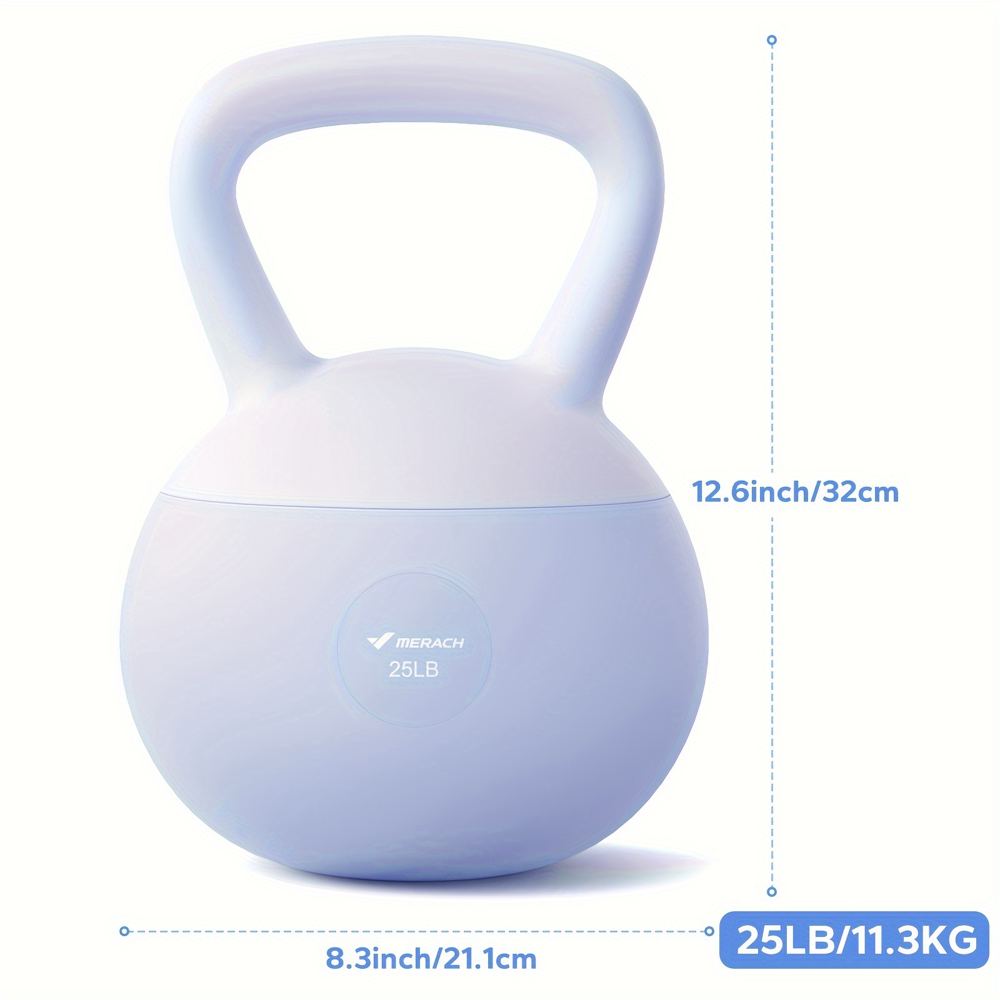
2. Kettlebell Deadlift
Purpose: The simplest loaded hinge; perfect first weighted hinge for beginners.
Starting position: Kettlebell on the floor between your feet, feet slightly wider than hips.
Technique: Hinge back, grip the handle, brace your core, and stand up by driving the hips forward — exactly like picking up a heavy box. Set the bell down between reps and reset your brace.
Breathing: Deep belly breath and brace before each lift; exhale at the top.
Sets/reps: 3–5 sets of 6–10 reps, resting 60–90 seconds.
Beginner modification: Elevate the bell on a sturdy step or books to reduce the starting depth until your hinge is clean.
Common mistake: Rounding the lower back on the pickup — set your hips back first, then lift.
3. Kettlebell Swing
Purpose: Explosive hip power plus serious conditioning; the hinge's athletic cousin.
Starting position: Feet wider than hips, kettlebell on the floor a foot in front of you.
Technique: Hinge, grip, and hike the bell between your legs, then snap your hips forward to float the bell to chest height. Your arms stay straight and relaxed; all power comes from the hip snap. Stand tall at the top, glutes squeezed.
Breathing: Sharp exhale at the top of each swing; inhale as the bell swings back.
Sets/reps: 6–10 rounds of 10–20 swings, resting 30–60 seconds between rounds.
Beginner modification: Practice dead-stop swings — set the bell down and reset after each rep — until the hinge feels automatic.
Common mistake: Squatting the swing or lifting with the shoulders. The bell goes back between your legs before it goes up — no backswing, no swing.
4. Single-Leg Romanian Deadlift
Purpose: Unilateral strength, balance, and glute-med activation — it fixes left/right imbalances barbells hide.
Starting position: Standing on one leg, a dumbbell in each hand (or one in the opposite hand of the standing leg).
Technique: Hinge forward on the standing leg, extending the free leg straight behind you. Keep your hips square to the floor and your spine neutral. Touch the floor or reach shin level, then drive the standing hip forward to return.
Breathing: Inhale going down; exhale driving up.
Sets/reps: 2–3 sets of 8–10 reps per leg, resting 45–60 seconds.
Beginner modification: Lightly touch a wall or chair for balance, or keep the free leg's toe on the floor (kickstand RDL) until stability improves.
Common mistake: Rotating the hips open — imagine a glass of water balanced on your lower back.
5. Dumbbell Suitcase Deadlift
Purpose: Deadlift mechanics from the floor with an anti-rotation core challenge (each side gets loaded independently).
Starting position: Dumbbells on the floor at your sides. Stand between them, feet hip-width apart.
Technique: Hinge down, grip both dumbbells, brace hard, and stand — like lifting two suitcases. Keep your torso perfectly level; the temptation is to lean toward one side.
Breathing: Brace before lifting, exhale at the top.
Sets/reps: 3–4 sets of 6–10 reps, resting 60–90 seconds.
Beginner modification: Do it one side at a time (true suitcase carry position) with a lighter dumbbell.
Common mistake: Letting the weights pull you into a sideways lean — fight to stay square.
6. Dumbbell Good Morning
Purpose: Pure hip-hinge strength with a long lever arm — humbling even at light weights.
Starting position: One dumbbell held at chest height with both hands, or a dumbbell in each hand at your sides. Feet hip-width apart.
Technique: With soft knees, hinge your hips back while keeping your back flat and long. Lower until your torso is roughly parallel to the floor (or wherever hamstring tension maxes out), then drive the hips forward.
Breathing: Inhale as you fold; exhale as you rise.
Sets/reps: 2–3 sets of 10–15 reps, resting 45–60 seconds.
Beginner modification: Start with bodyweight only, hands crossed on your chest. Add load only after ten clean reps feel easy.
Common mistake: Going too heavy — this movement needs far less weight than people expect. Ego is the injury mechanism here.
7. Glute Bridge / Hip Thrust Progression
Purpose: Peak glute contraction and lockout strength — the top half of the deadlift, isolated.
Starting position: Lying on your back, knees bent, feet flat. For hip thrusts, rest your upper back on a bench or sturdy couch with a dumbbell across your hips.
Technique: Drive through your heels, squeeze the glutes, and lift your hips until your body forms a straight line from shoulders to knees. Pause one second at the top. Lower with control.
Breathing: Exhale as you bridge up; inhale as you lower.
Sets/reps: 3–4 sets of 12–20 reps (bridges) or 8–12 reps (weighted hip thrusts), resting 45–60 seconds.
Beginner modification: Bodyweight bridges with a 2-second pause at the top build the mind-muscle connection first.
Common mistake: Overarching the lower back at the top — the finish line is a straight line, not a backbend.
Compare the Alternatives
| Alternative | Equipment | Primary Emphasis | Home-Friendliness | Skill Level | | --- | --- | --- | --- | --- | | Dumbbell RDL | 2 dumbbells | Hamstrings + glutes | Excellent | Beginner-friendly | | Kettlebell deadlift | 1 kettlebell | Full hinge pattern | Excellent | Best first choice | | Kettlebell swing | 1 kettlebell | Power + conditioning | Excellent | Learn the hinge first | | Single-leg RDL | 1–2 dumbbells | Balance + glute-med | Excellent | Intermediate | | Suitcase deadlift | 2 dumbbells | Hinge + anti-rotation core | Excellent | Beginner-friendly | | Dumbbell good morning | 1–2 dumbbells | Hamstrings, light load | Excellent | Go light | | Glute bridge / hip thrust | Bodyweight or dumbbell | Glute lockout | Excellent | Beginner-friendly |
For more dumbbell movement ideas, see our dumbbell exercise guide, and if you are building a small-space setup, the best adjustable dumbbells for small spaces covers the gear question.
Programming Your Hinge Work
You do not need all seven movements. Pick two and run them for 4–6 weeks:
- Strength focus: Kettlebell deadlift + dumbbell RDL, twice per week, heavier loads, lower reps (6–10).
- Athletic/conditioning focus: Kettlebell swings + single-leg RDL, twice per week, moderate loads, higher reps or timed rounds.
- Glute focus: Hip thrusts + single-leg RDL, twice per week, moderate loads with pauses at the top.
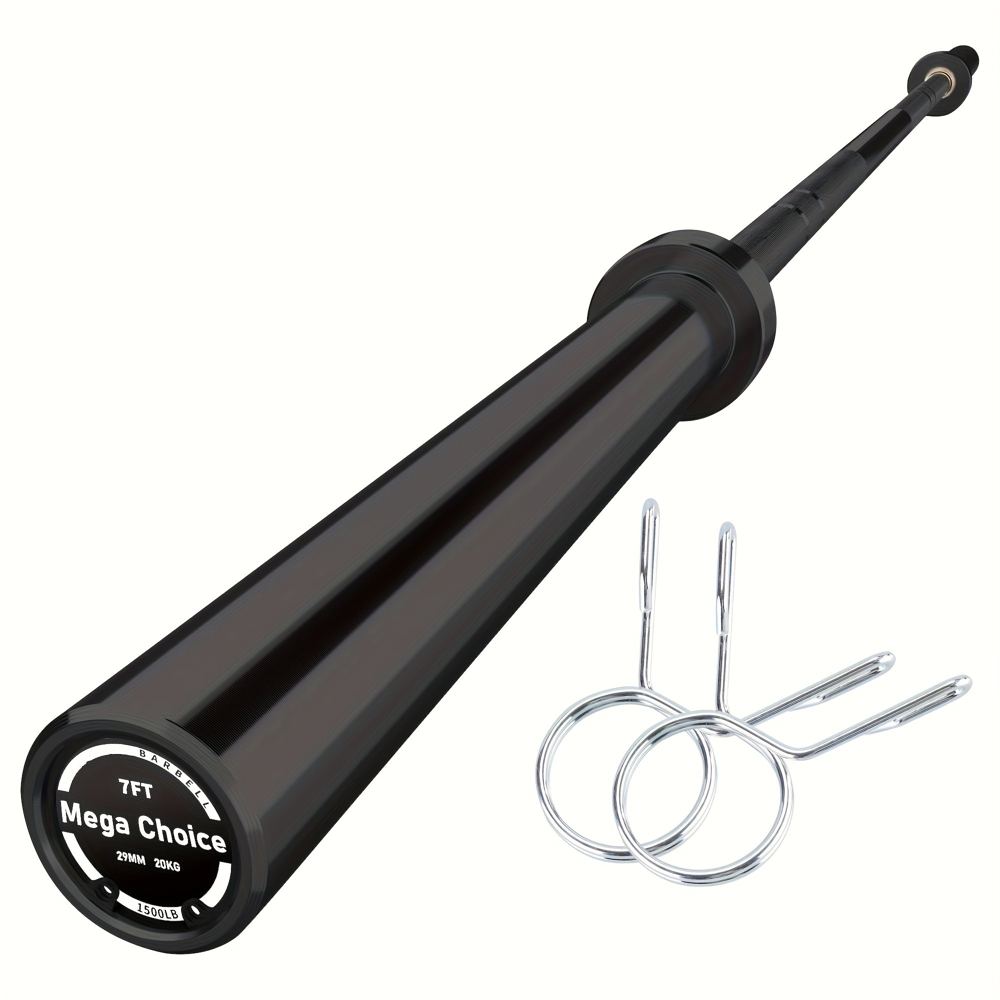
Add one set, a few reps, or slightly heavier weight each week — progressive overload works exactly the same at home. A 7ft Olympic bar is there if you ever graduate to a full barbell setup, but it is never required to build a strong hinge.
Safety Notes
- The hinge is a skill: learn it light, then load it. Film yourself from the side — a neutral spine looks the same at rep 1 and rep 10.
- If you have a herniated disc, sciatica, recent back injury, or any medical concern, check with your doctor or physiotherapist before hinging under load.
- Stop immediately if you feel sharp pain, numbness, or tingling down a leg. Muscle burn in the glutes and hamstrings is normal; nerve symptoms are not.
- Keep your home floor safe: clear the area, use a mat under kettlebells, and never swing toward people, pets, or breakables.
FAQ
Q: Can I build a strong back without a barbell deadlift?
Yes — within reason. Dumbbell and kettlebell hinges build genuinely strong glutes, hamstrings, and back muscles. You will not match the absolute load of a 200 kg barbell pull, but for most men's goals — strength, muscle, posture, injury prevention — the alternatives here are more than enough.
Q: How heavy should my dumbbells or kettlebell be for hinge work?
Heavy enough that the last 2–3 reps of a set are challenging with good form, but light enough that your spine stays neutral throughout. Beginners often start with 8–16 kg for swings and deadlifts, progressing over weeks and months. There is no universal number — your form is the guide.
Q: Are kettlebell swings safe for the lower back?
They are safe when the hinge is correct and unsafe when it is not. The swing should feel like powerful glute and hamstring work, not lower-back work. If your back is doing the lifting, the weight is too heavy or the hinge needs work — regress to deadlifts and dead-stop swings first.
Q: How often should I train the hinge pattern?
Twice per week is the sweet spot for most men — enough frequency to learn and progress, enough recovery for the posterior chain. If you also squat or lunge heavily, keep total lower-body volume sensible.
The Bottom Line
A barbell is a tool, not a requirement. The hip hinge — the pattern that makes deadlifts valuable — lives in your body, not in the bar, and a dumbbell or kettlebell teaches it just as well in your living room. Learn the pattern light, load it patiently, pick two movements and progress them for a month or two. Your back will be stronger for it in every way that matters outside the gym.
