A safe chair-exercise routine for beginners and older adults: seated strength, balance and mobility moves using a sturdy chair, light weights and bands.
Chair Exercises for Beginners and Seniors: Seated Strength

A sturdy chair might be the most underrated piece of exercise equipment in the house. It lets you train your whole body — legs, arms, back, and core — while seated or holding on for balance. For beginners, older adults, and anyone unsteady standing for long periods, chair exercises remove the biggest barrier to getting stronger: the fear of falling.
This guide gives you a 10-move routine — mostly seated, with a few standing moves using the chair for support — plus the safety setup that makes it work. You need a proper chair, optional light weights or a band, and about 25 minutes. Results vary person to person; the goal is steadier balance, stronger legs for stairs and standing, and growing confidence in your body.
This guide contains affiliate links. If you buy through them, VÉLORA may earn a commission at no extra cost to you.
The Chair Safety Setup — Do This First
Before a single repetition, set up your chair correctly. This matters more than any exercise in the routine:
- Use a sturdy, non-rolling chair. Dining chairs with four solid legs are ideal. Never use a wheeled office chair, a folding chair that flexes, or anything that tips easily.
- Place it against a wall. Push the back of the chair firmly against a wall so it cannot slide backward when you lean on it.
- Clear the space. Move rugs, cords, and clutter from a circle around the chair. Wear supportive, non-slip footwear — or go barefoot on a non-slip floor.
- Sit tall. Scoot hips to the back of the seat, feet flat and hip-width apart, spine long, shoulders relaxed.
Seniors and anyone managing a health condition — heart issues, high blood pressure, joint replacements, diabetes, osteoporosis — should get a doctor's clearance before starting, and follow that guidance over anything here. If you feel dizzy, lightheaded, short of breath, or notice chest discomfort, stop immediately and rest. Dizziness is a stop signal, never something to push through.
For older adults pairing strength with steadiness, our guide to balance exercises for women is a useful companion, and the beginner home workout plan for women shows how chair work fits into a wider weekly plan.
What You Need
No equipment at all? Start with the bodyweight versions of every move — the routine works either way.
Warm-Up (2–3 Minutes)
While seated, do each gently: shoulder rolls (5 each way), neck tilts (5 seconds per side), ankle circles (5 each way per foot), then seated marching for 30–60 seconds. Breathe easily — this is a wake-up, not a workout.
The Routine: 10 Moves
Perform the moves in order, twice weekly to start (e.g. Tuesday and Saturday), resting 30–60 seconds between exercises. Start at the low end of every range; add rounds or reps after two consistent weeks.
1. Seated March
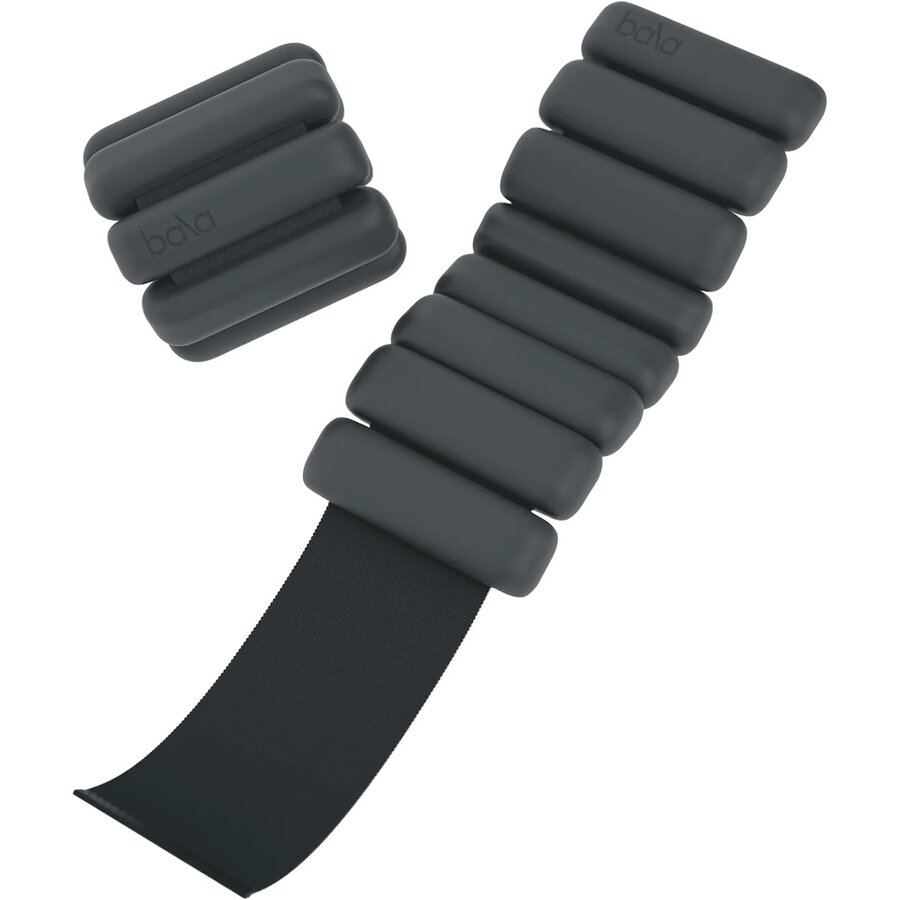
Starting position: Sit tall at the front half of the chair, feet flat, hands resting on your thighs or the chair seat. Technique: Lift your right knee a few inches, lower it, then the left — marching in place while seated. Keep your torso steady; the movement comes from the hips. Reps: 10–20 total marches (5–10 per side). Breathing: Breathe naturally; exhale as each knee lifts if it helps your rhythm. Make it harder: Pause one second at the top of each lift, or add ankle weights.
2. Chair Squat (Sit-to-Stand)
Starting position: Sit at the front of the chair, feet hip-width apart and slightly back, so your weight is over your heels. Technique: Lean your chest slightly forward, press through your heels, and stand tall. Squeeze your glutes at the top, then sit back down with control. Reps: 6–12, 1–2 sets. Easier: Use the chair arms to assist. Harder: Hover just above the seat before standing again. Why it matters: Standing up from a chair is one of the most functional movements there is.
3. Seated Row with Band
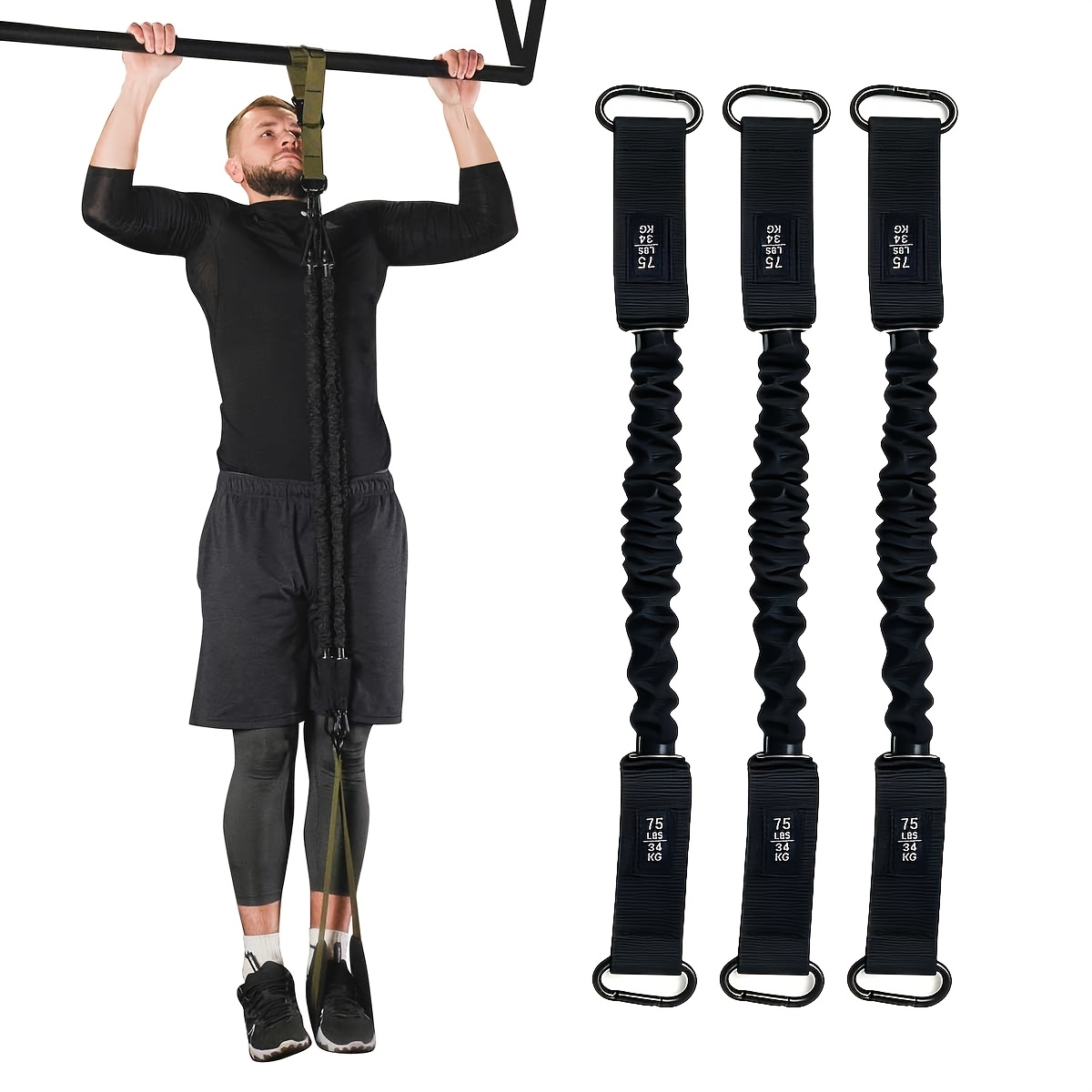
Starting position: Sit tall, loop a resistance band around your feet (or under the chair legs), holding one end in each hand, arms extended in front of you. Technique: Pull your elbows back past your torso, squeezing your shoulder blades together. Pause, then straighten your arms slowly. Reps: 10–15, 2 sets. Common mistake: Shrugging shoulders up — keep them down and relaxed.

4. Seated Overhead Press
Starting position: Sit tall with a light dumbbell in each hand at shoulder height, palms facing forward. No dumbbells? Make fists — your arm weight counts at first. Technique: Press the weights up until arms are nearly straight (soft bend in elbows), then lower slowly to shoulder height. Reps: 8–12, 2 sets. Safety: Don't arch your back — if you can't press without leaning back, the weight is too heavy.
5. Seated Leg Extension
Starting position: Sit tall, back supported by the chair, hands gripping the seat edges. Technique: Straighten one leg until the knee is extended (not locked), hold 1–2 seconds, feeling the thigh work, then lower slowly. Alternate legs. Reps: 8–12 per leg, 1–2 sets. Make it harder: Add an ankle weight or pause 3 seconds at the top.
6. Heel Slides
Starting position: Sit tall, feet flat on the floor. Technique: Slowly slide one heel forward until the leg is nearly straight, then drag it back. This gently works the hamstrings and keeps knees mobile. Reps: 8–12 per leg, 1 set. Note: Socks on a smooth floor (or barefoot) glide best.
7. Standing Hip Hinge with Chair Support
Starting position: Stand behind the chair, both hands resting on its back, feet hip-width apart. Technique: With soft knees, push your hips straight back until you feel a stretch in the backs of your thighs. Keep your back flat — a straight line from head to tailbone. Squeeze glutes to stand. Reps: 8–12, 2 sets. Common mistake: Rounding the back or bending the knees into a squat — knees stay soft, hips do the traveling.
8. Standing Side Steps with Chair Support
Starting position: Stand behind the chair, hands on its back for balance. Technique: Step the right foot out 30–45 cm, bring the left to meet it. Take 4–6 steps right, then 4–6 left. Stay tall, don't lean. Reps: 2–3 rounds of 8–12 total steps. Make it harder: Loop a light band around your thighs just above the knees.
9. Seated Torso Twist
Starting position: Sit tall at the front of the chair, feet flat, arms crossed over your chest. Technique: Slowly rotate your torso right, looking over your right shoulder. Hold 2–3 seconds, return to center, then left. Hips stay facing forward. Reps: 6–10 per side, 1–2 sets. Make it harder: Hold a light dumbbell or water bottle at chest height.
10. Standing Calf Raise with Chair Support
Starting position: Stand behind the chair, hands on its back, feet hip-width apart. Technique: Rise onto the balls of your feet, pause 1–2 seconds at the top, then lower with control. Reps: 10–15, 2 sets. Balance bonus: Try one hand, then fingertips, as steadiness improves.
Cool-Down (2–3 Minutes)
Seated: gentle neck tilts (each side, 10 seconds), a seated chest opener (clasp hands behind the chair back and lift slightly), ankle circles, and three slow deep breaths with your hands resting on your belly. Finish by standing and noticing how your legs feel — many people are surprised by the warmth and steadiness after just one session.
Moves at a Glance: Primary Benefits
| Move | Primary benefit | Position | | --- | --- | --- | | Seated march | Hip mobility, gentle cardio warm-up | Seated | | Chair squat | Leg strength for standing and stairs | Seated-to-standing | | Seated row with band | Upper-back posture strength | Seated | | Seated overhead press | Shoulder and arm strength | Seated | | Seated leg extension | Thigh (quadriceps) strength | Seated | | Heel slides | Hamstring mobility, knee comfort | Seated | | Standing hip hinge | Glute and hamstring strength, back safety | Standing (chair support) | | Standing side steps | Hip stability, lateral balance | Standing (chair support) | | Seated torso twist | Trunk rotation and spinal mobility | Seated | | Standing calf raise | Ankle strength and balance | Standing (chair support) |
Common Mistakes to Avoid
- Using a wobbly chair. This is the number-one safety issue. If the chair rocks, rolls, or slides, stop and find a proper one — no exercise is worth a fall.
- Holding your breath. Especially common during effort. Keep breathing — count repetitions out loud if it helps.
- Rushing. These moves build strength through control. Two slow seconds up, two slow seconds down.
- Ignoring dizziness. Feeling lightheaded is your body's stop signal. Sit, rest, drink water. If it happens repeatedly, talk to your doctor before continuing.
- Doing too much in week one. Soreness for a day or two is normal; being unable to move comfortably for three days means you overdid it. Start at the low end of every range.
How to Progress Safely
After 2–3 consistent weeks, progress one variable at a time: add a set, add 2–3 reps, slow the tempo, or add a light weight. Slow progression beats ambitious progression — the goal is a routine you still do in six months. If any move causes joint pain (not muscle effort), swap it or ask a physiotherapist for an alternative.
Q: Are chair exercises really effective for building strength?
A: Yes, for beginners and older adults they absolutely are. Muscles respond to resistance and effort, not to whether you are standing or sitting. Seated presses, rows, and leg extensions challenge real muscle fibers, and the sit-to-stand is genuinely one of the best functional leg exercises. As you get stronger, you can add weights, bands, and standing moves.
Q: I'm over 70 and haven't exercised in years. Is this safe for me?
A: Chair exercises are among the safest ways to start, but "safe" depends on your health. Get your doctor's clearance first — especially with heart conditions, blood pressure issues, joint replacements, or balance disorders. Start with the seated moves only, keep sessions short, and stop if you feel dizzy, breathless, or unwell.
Q: How often should I do chair exercises?
A: Two to three times per week on non-consecutive days is a good starting range. Your body needs rest days to recover and adapt. On other days, a short walk or gentle stretching keeps you moving without overloading the same muscles.
Q: What if I can't get up from the chair without using my arms?
A: That is completely fine — use the armrests or place your hands on your thighs. Many beginners start there. Over weeks of practice, try using a little less arm help each session. Needing the arms is not failure; it is your honest starting point.
Q: Can chair exercises help with balance?
A: They can improve the strength and body awareness that balance depends on — stronger legs, steadier ankles, a more responsive core. The standing moves with chair support specifically train balance with a safety net. For dedicated balance practice, see our guide to balance exercises for women.
Conclusion
Strength training does not require a gym, a class, or even standing up — just a chair that doesn't move, a few minutes a day, and the willingness to start where you are. Do these ten moves twice a week, progress one small step at a time, and respect every signal your body sends. The payoff — steadier stairs, easier standing — shows up in ordinary moments, which is exactly where it matters.