How much protein men really need to build muscle: intake ranges by size and training level, meal distribution, and the mistakes that waste your effort.
How Much Protein Do Men Need to Build Muscle?
Every man who has ever touched a weight has been told to "eat more protein." The advice is right — muscle repair and growth genuinely depend on adequate protein — but "more" is not a number, and without one, most men either undershoot badly or choke down shakes they do not need. This guide gives you what actually helps: intake ranges based on your size, training, and goals, how to spread protein across the day, and how to tell if you are getting enough.
A few ground rules before we start. All numbers here are ranges, not prescriptions — individual needs vary with body size, goals, activity level, and the rest of your diet. This article is general information, not medical advice: if you have kidney issues, diabetes, or any health condition, or you want a personal plan, talk to your doctor or a registered dietitian. No single number guarantees results, and results vary widely between individuals.
This guide contains affiliate links. If you buy through them, VÉLORA may earn a commission at no extra cost to you.
Why Protein Matters for Building Muscle
Training provides the stimulus; protein provides the raw material. Lifting weights creates tiny amounts of muscle damage and signals your body to rebuild the fibers slightly bigger and stronger — but that rebuilding process runs on amino acids, which come from dietary protein. Without enough, recovery drags, soreness lingers, and progress stalls even when the training program is solid.
Protein also supports satiety (helpful if you are building muscle while staying lean) and has the highest "cost of digestion" of the three macronutrients — practical reasons it earns its place in every muscle-building diet. But it works as part of a whole: adequate calories, consistent training, and good sleep matter just as much. Protein is a requirement, not a magic ingredient.
The Protein Ranges, Plainly Stated
Sports nutrition guidance for active men generally falls into these ranges, expressed per kilogram of body weight per day:
| Activity Level | Suggested Range (g/kg/day) | Example for an 80 kg man | | --- | --- | --- | | Sedentary / light activity | 1.0–1.2 | 80–96 g | | Recreational training (2–3 sessions/week) | 1.2–1.6 | 96–128 g | | Serious muscle building (4–6 sessions/week) | 1.6–2.2 | 128–176 g | | Aggressive cutting while training hard | 1.8–2.2+ | 144–176+ g |
Read your row, multiply by your body weight, and you have your working range. If you weigh 70 kg and train three times a week, roughly 84–112 g per day is a sensible target zone. If you weigh 95 kg and lift five days a week chasing growth, roughly 150–210 g per day is the zone.
These are starting points, not commandments. Men at the top of their range who see no progress may need to look at total calories or training quality rather than adding more protein — beyond about 2.2 g/kg/day, extra protein shows diminishing returns for muscle building in most people. And men new to training often grow fine on the lower half of the range while everything else is still improving rapidly.
If you are unsure where you fall, start in the middle of your row for 4–6 weeks, keep training consistent, and adjust based on recovery, strength trends, and how you feel. For structuring that training, our workout schedule guide and how often to work out cover the frequency principles.
How to Spread Protein Across the Day
Your body builds muscle in pulses throughout the day, so distribution matters nearly as much as the total. The practical pattern:
- Aim for 3–5 protein-containing meals or snacks, each with roughly 25–50 g of protein. A 70 kg man might do 30 g at breakfast, 35 g at lunch, 40 g at dinner, and a 20 g snack.
- Anchor the day with real meals first. Whole foods — eggs, meat, fish, dairy, legumes, tofu — should carry most of the load. Shakes and bars are convenience tools, not the foundation.
- The "anabolic window" is mostly a myth for regular eaters. Total daily intake and per-meal distribution matter far more than slamming a shake within 30 minutes of your last rep. If your pre-workout meal was 3–4 hours ago, eating soon after training is sensible; otherwise, relax.
- Before bed counts. A protein-containing evening meal or snack supports overnight recovery — nothing exotic, just part of your normal distribution.
What a day at 140 g might look like
| Meal | Example | Approx. protein | | --- | --- | --- | | Breakfast | 3-egg omelet with cheese and a glass of milk | ~30 g | | Lunch | Large chicken breast with rice and vegetables | ~40 g | | Pre/post-training snack | Greek yogurt with nuts | ~20 g | | Dinner | Salmon fillet with potatoes and greens | ~35 g | | Evening | Cottage cheese or a small shake | ~15–20 g |
Adjust portions to your range — this is an illustration, not a meal plan.
Whole Foods First: The Best Protein Sources
Variety beats any single "superfood." Build from:
- Animal sources: eggs, chicken, turkey, beef, fish (especially salmon, tuna, sardines), Greek yogurt, cottage cheese, milk.
- Plant sources: lentils, chickpeas, black beans, tofu, tempeh, edamame, quinoa, nuts and nut butters, oats.
- Combination strategy: plant-based eaters can hit any range, but it takes more planning — combine legumes with grains across the day and consider slightly higher totals since plant proteins are generally less digestible.
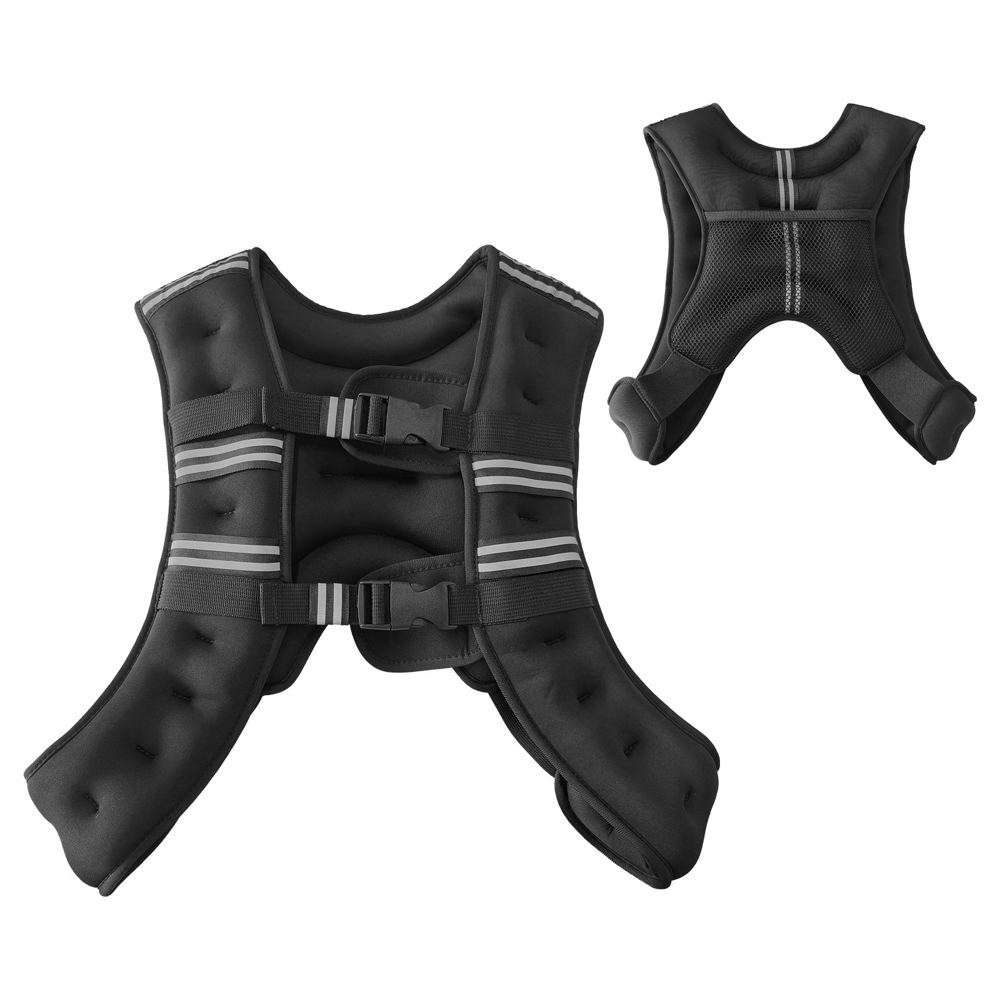
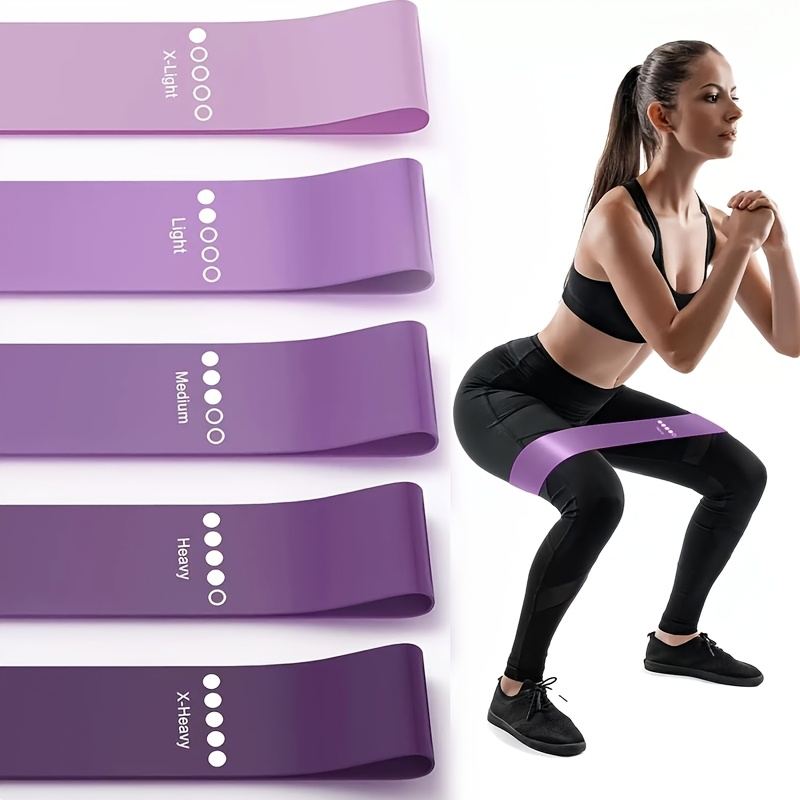
Training still does the heavy lifting, of course. Resistance training — whether with adjustable dumbbells at home, a weighted vest for progressive loading, or resistance bands for travel workouts — is the stimulus that makes the protein count. If your home setup needs an upgrade, our guide to the best home gym equipment under $100 is a good starting point.
Signs You're Getting Enough (and Signs You're Not)
Probably enough: strength trending up over weeks, soreness resolving within 1–3 days, steady energy, and you are hitting your range most days without force-feeding.
Possibly too little: recovery that drags for many days, strength plateaus despite consistent training, frequent illness, constant hunger even at maintenance calories, and hair or nail changes over longer periods.
Probably too much: digestive discomfort, crowding out other foods (fiber, vegetables, healthy fats), or spending heavily on supplements while basics are neglected. More protein cannot compensate for undertraining or undersleeping.
One honest metric many men find useful: track your intake for just one week with a free food-logging app or a sports smartwatch that pairs with nutrition tracking. Most men are surprised — usually they are eating less than they assumed, not more. A single week of data beats months of guessing.

Common Mistakes
- Chasing protein while skipping calories. In a deep calorie deficit, extra protein cannot build muscle — the body burns it for energy. Muscle building needs adequate total fuel first.
- One giant dinner and nothing before. 100 g at dinner and 10 g at breakfast is not the same as an even spread. Front-load the day.
- Supplements before food. Protein powder is processed food with good marketing. Fix meals first; add a shake only if it genuinely fills a gap.
- Changing the number every week. Pick a range, hold it for 4–6 weeks, and judge by training trends — not by the mirror on day three.
- Ignoring the rest of the diet. Carbs fuel hard training; fats support hormones; fiber and vegetables support everything else. Protein is one pillar of four or five.
FAQ
Q: Do I need protein powder to build muscle?
No. Powder is a convenience product, not a requirement. Any man hitting his range through whole foods gets identical results. Powder earns its place only when real food is impractical — travel, long workdays, or very high targets.
Q: Is high protein bad for the kidneys?
For healthy men, protein intakes within the ranges in this article are not considered harmful to kidneys. The concern applies to people with existing kidney disease — which is exactly why anyone with a kidney condition (or any medical condition) should get personal guidance from a doctor or dietitian rather than a general article.
Q: Should I eat more protein on rest days?
Keep intake roughly the same. Muscle repair and growth happen heavily on rest days — that is when the protein you ate is being put to work. Dropping protein on rest days undercuts the recovery you are resting for.
Q: Can I build muscle as a vegetarian?
Yes, with planning. Combine varied plant proteins across the day (legumes, soy products, grains, nuts), consider the upper end of your range to account for lower digestibility, and make sure total calories are adequate. Many lifters build impressive physiques on fully plant-based diets.
Q: How do I know if my range is working?
Give it 4–6 weeks of consistent training plus consistent intake, then look at trends: are your lifts going up, is recovery reasonable, do you feel fueled? If yes, the range is working. If everything else is dialed in and progress has fully stalled for two months, nudge toward the upper end of your range before changing anything else.
The Bottom Line
Most men who train seriously do well on roughly 1.6–2.2 grams of protein per kilogram of body weight per day, spread across 3–5 meals, built on whole foods, held steady for weeks — and adjusted to their own size, goals, and response. That is the whole secret: a range, not a ritual. Eat enough of it, train consistently, sleep like it matters, and let time do what shortcuts promise. Your muscles are built in the kitchen and the gym in roughly equal measure — and neither one works without the other.
