A practical guide to choosing women's workout clothes: moisture-wicking fabrics, supportive sports bras, squat-proof leggings, and shoes that fit right.
How to Choose Workout Clothes That Actually Help You Train
The right workout clothes will not transform your fitness, but the wrong ones can quietly ruin it — the leggings that slide down mid-squat, the cotton shirt that turns into a cold wet blanket, the bra that supports nothing during a jog. Choosing workout clothes well is a small investment that pays off in comfort, confidence, and fewer excuses skipped.
This guide walks through each piece — fabrics, fit, support, and shoes — with honest, practical criteria. No brand worship, no fashion pressure: just what helps you move well and feel good doing it.
This guide contains affiliate links. If you buy through them, VÉLORA may earn a commission at no extra cost to you.
Fabric First: What Your Clothes Are Made Of
Fabric is the single biggest factor in how workout clothes feel. The core question is moisture management: during exercise you sweat, and what your clothes do with that sweat determines comfort.
Moisture-wicking synthetics (polyester, nylon, and their blends) pull sweat off your skin and let it evaporate. This is why most purpose-made workout tops and leggings use them — you stay drier and warmer instead of stewing in damp cloth. Look for words like "moisture-wicking," "quick-dry," or "performance" on the label.
Cotton is comfortable, affordable, and familiar — but it absorbs sweat and holds it. For a gentle walk or a short yoga session, that is fine. For anything that raises a real sweat, a soaked cotton shirt gets heavy, clingy, and chilly. This is the most common wardrobe mistake in fitness, and the easiest to fix.
Natural blends — cotton mixed with spandex, or merino wool blends — offer a middle ground: some stretch and softness with better moisture handling than pure cotton. They suit moderate workouts and people who dislike the slick feel of pure synthetics.
| Fabric | Sweat handling | Stretch | Best for | | --- | --- | --- | --- | | Polyester / nylon performance blends | Excellent — wicks and dries fast | Usually high with spandex added | Running, HIIT, gym sessions, hot climates | | Pure cotton | Poor — absorbs and stays wet | Minimal | Gentle walks, short yoga, cool rest days | | Cotton-spandex blend | Moderate | Good | Light workouts, everyday wear | | Merino wool blend | Good — wicks, resists odor | Moderate | Outdoor training, cooler weather, travel |
One more fabric note: odor. Synthetics can hold smells more stubbornly than natural fibers. Wash performance clothes promptly, inside out, and skip fabric softener — it coats the fibers and kills the wicking you paid for.
Sports Bras: The Foundation Piece
For most women, the sports bra is the most important garment in the drawer. Get this right and everything else is easy. Bras are graded by impact level, and matching the level to the activity is the whole trick:
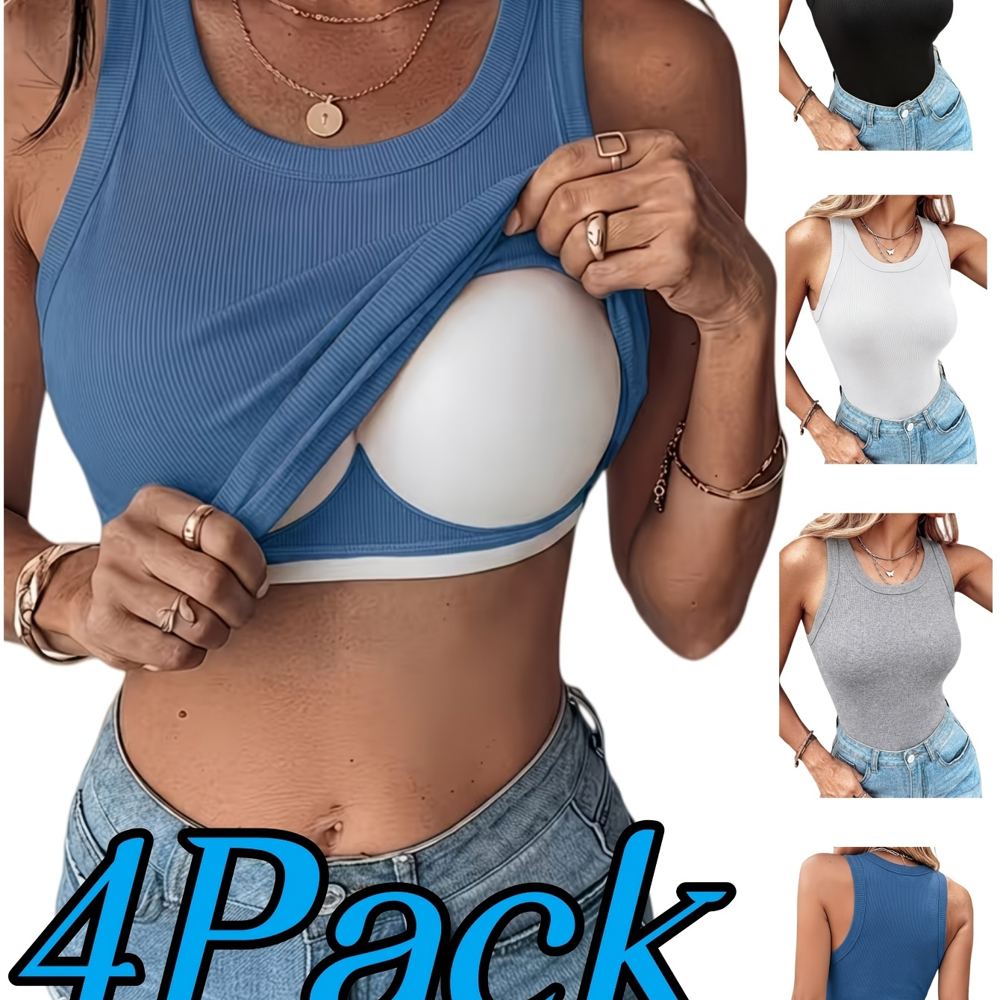
- Low impact (yoga, Pilates, walking): light support, often built into tops or camisoles. A built-in-bra tank top like this ribbed 4-pack is often enough and saves a layer.
- Medium impact (cycling, strength training, hiking): encapsulation-style bras with separate cups and a structured band.
- High impact (running, jumping, dance cardio): maximum-support styles with firm bands, wide straps, and full coverage.
Fit check: the band — not the straps — should do most of the supporting. It should sit level around your ribcage and stay put when you lift your arms. Straps should not dig, and there should be no spillage over the top or sides. When in doubt between sizes, try both and jump in place — ten seconds of honesty beats an hour of reading reviews.
Leggings: Fit Details That Matter
Leggings are the workhorse of women's training wardrobes, and small design details separate the great pairs from the ones that live in the back of the drawer:
- Waistband. A high, wide waistband stays put during squats, lunges, and floor work. Narrow or low waistbands are the main cause of the dreaded mid-set slide.
- Opacity. The "squat test" is famous for a reason: bend over or squat in front of a mirror under bright light before you trust a new pair. Dark colors are more forgiving than light ones.
- Length and inseam. Capri, 7/8, and full length are preference, but make sure the hem does not bunch behind the knee during cycling or sit awkwardly over shoes.
- Pockets. A side thigh pocket that fits a phone is genuinely useful for walks, runs, and gym floors where bags are not allowed.
- Seams. Flatlock seams reduce chafing, especially on long sessions. If you are prone to thigh irritation, look for gusseted crotches, which reduce stress on one point.
Tops: What Works for What
For strength training, a slightly fitted top lets you see and check your form — coaches' advice applies even in a home mirror. For cardio, looser cuts with ventilation (mesh panels, racer backs) keep air moving. Long-sleeve tops suit cooler outdoor sessions; layered over a sports bra they are versatile.
Ribbed tanks with built-in bras, like the women's ribbed tank 4-pack, are a practical sweet spot for moderate training: one garment handles coverage and light support, and having several on rotation means laundry pressure never cancels a workout.
Shoes: Match the Shoe to the Movement
Shoes are the one category where "good enough for everything" is a myth worth retiring. Different training needs different footwear:
- Running shoes have cushioning and a heel-to-toe drop designed for forward motion. Use them for running, walking, and cardio classes.
- Training/cross-trainer shoes have flatter, more stable soles for lateral movement, squats, and weight work. A stable base matters when you lift.
- Yoga and Pilates are usually done barefoot — grip socks add traction on studio floors.
Fit rules: try shoes on in the afternoon (feet swell slightly during the day), leave about a thumb's width between your longest toe and the shoe's front, and test them doing something close to your workout — a few squats, some jogging in place. Discomfort in the store becomes misery by minute twenty.
The Supporting Cast: Accessories Worth Having
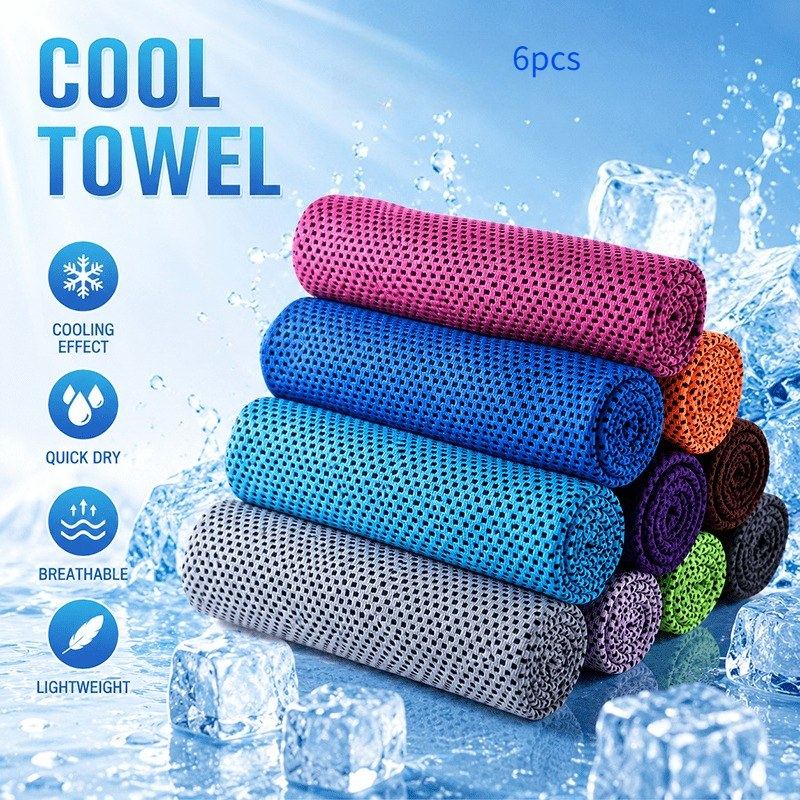
- Quick-dry towels. A set of small cooling towels beats one giant bath towel on your gym bag — they dry faster between sessions and pack small. A 6-pack of quick-drying sports towels keeps a fresh one always ready.
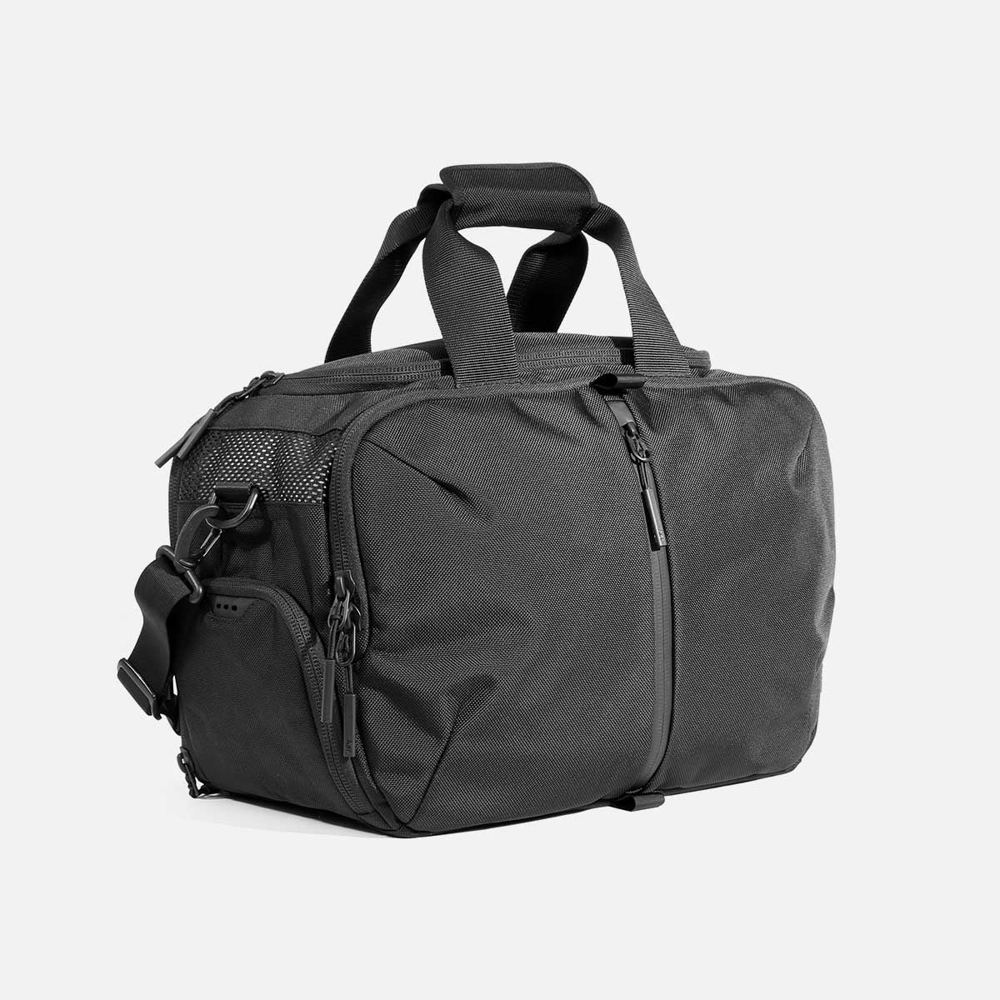
- A proper gym bag. Keeping workout gear packed and ready removes a whole category of excuses. A dedicated gym duffel with compartments for shoes and bottles means you can leave for a session in thirty seconds.
- Hair management. Strong hair ties, a headband, or a cap — hair in your face during a set is a concentration problem with a cheap solution.
- Layers for the journey. A light zip-up or hoodie over your workout clothes handles the cold walk to the car or studio and doubles as a warm-up layer.
Special Considerations
Plus-size and petite ranges. Many performance brands now cut extended ranges, but fit varies wildly between brands. Prioritize high waistbands, longer inseams if you are tall, and bras with real band sizing rather than S/M/L — the same rules, applied to your actual measurements.
Postpartum and sensitive bodies. High-waisted leggings with gentle compression feel supportive for many postpartum women; nursing-friendly sports bras with front access exist for those combining feeding and training. As always, get medical clearance before exercising postpartum.
Sensitive skin. If seams or synthetic fabrics irritate you, look for tagless designs, flatlock stitching, and bamboo or merino blends. Wash new garments before first wear to remove finishing chemicals.
Care Tips That Extend the Life of Your Gear
Performance clothes are an investment; washing them wrong shortens their life dramatically. Wash cold, inside out, with like colors. Skip fabric softener and dryer sheets entirely — they coat moisture-wicking fibers. Air dry when you can; if you must use a dryer, low heat. Replace sports bras roughly every 6–12 months of regular use — elastic fatigues even when the fabric looks fine.
FAQ
Q: Can I just work out in cotton clothes?
For gentle activity — walks, easy yoga, stretching — yes, cotton is fine. For anything that makes you sweat properly, moisture-wicking fabrics will feel dramatically better. You do not need a whole wardrobe at once: one or two performance tops and a pair of leggings cover most beginners.
Q: How many workout outfits do I actually need?
Two to three full outfits are plenty to start. That lets you train regularly without doing laundry after every session. Add pieces only when a specific gap appears — a warmer layer for winter, a high-impact bra when you start running.
Q: Are expensive brands worth it, or is budget gear fine?
Price correlates with durability and thoughtful design, but not always with performance. Mid-range gear from established activewear lines is usually the sweet spot. A well-chosen budget outfit beats an expensive one that fits badly — fit and fabric matter more than logos.
Q: What should I wear for strength training specifically?
A supportive medium-impact bra, high-waisted leggings that pass the squat test, a fitted top that lets you see your form, and flat, stable shoes. If you train at home, our guide to home gym equipment under $100 pairs well with this wardrobe advice.
Q: How do I stop leggings from rolling down?
Usually the waistband is too small, too narrow, or worn out — size up if between sizes, choose high wide waistbands, and replace pairs whose elastic has died. Some women also find a drawstring waistband helps during floor work like the routines in our resistance band workout.
Q: Do I need different clothes for yoga?
Not strictly, but yoga favors fitted, stretchy clothes that move with you and do not ride up in inversions — high-waisted leggings and a top that stays put when you fold forward. If you practice on hard floors, check our guide to choosing a yoga mat for bad knees too.
The Bottom Line
Choosing workout clothes comes down to three questions: does the fabric handle sweat, does the fit stay put while you move, and does the support match the activity? Answer those honestly and you will train more comfortably and more often. Start with the pieces you will use most — a good bra, leggings that pass the squat test, moisture-wicking tops, and shoes matched to your movement — and build from there. The best workout outfit is not the most expensive one; it is the one you never have to think about once the session starts.