Safe, effective exercises for women over 50: strength, balance, and mobility moves to stay strong and independent, with modifications and safety tips.
Best Exercises for Women Over 50 to Stay Strong and Mobile
After 50, exercise stops being about aesthetics and becomes about independence: carrying groceries without strain, climbing stairs comfortably, getting up from the floor with confidence, and keeping the balance that prevents falls. The good news is that the body remains remarkably adaptable at every age. With the right exercises for women over 50 — gentle, progressive, and consistent — strength, mobility, and balance can genuinely improve in your fifties, sixties, and beyond.
This guide covers the exercise categories that matter most after 50, specific movements with clear instructions and modifications, and a sample weekly routine. One important note up front: if you have a heart condition, joint problems, osteoporosis, high blood pressure, or any other medical concern, talk to your doctor before starting a new exercise program, and follow their guidance over anything written here. That is not a formality — it is the responsible first step.
This guide contains affiliate links. If you buy through them, VÉLORA may earn a commission at no extra cost to you.
Why Strength Training Matters Most After 50
Muscle mass and bone density naturally decline with age, and the decline accelerates for women after menopause. Strength training is the most effective countermeasure available: it preserves muscle, supports bone health, improves balance, and makes daily life easier. You do not need heavy weights or a gym. Light dumbbells, resistance bands, and bodyweight provide plenty of stimulus when used with good form and steady progression.
Cardio, balance, and flexibility work round out the picture, but strength is the foundation. Two to three short strength sessions per week is a realistic, evidence-aligned target for most healthy adults over 50.
The Five Exercise Categories to Include
| Category | Why it matters after 50 | Examples | Suggested frequency | | --- | --- | --- | --- | | Strength | Preserves muscle and bone, eases daily tasks | Squats, rows, bridges, presses | 2–3 days/week | | Balance | Reduces fall risk, builds confidence on your feet | Single-leg stands, heel-to-toe walks | Daily, a few minutes | | Cardio | Heart health, stamina, mood | Brisk walking, cycling, swimming | 2–3 days/week, 20–40 min | | Mobility | Keeps joints moving through full range | Hip circles, shoulder rolls, gentle stretches | Daily or after workouts | | Core stability | Protects the back, steadies posture | Bird dogs, dead bugs, standing marches | 2–3 days/week |
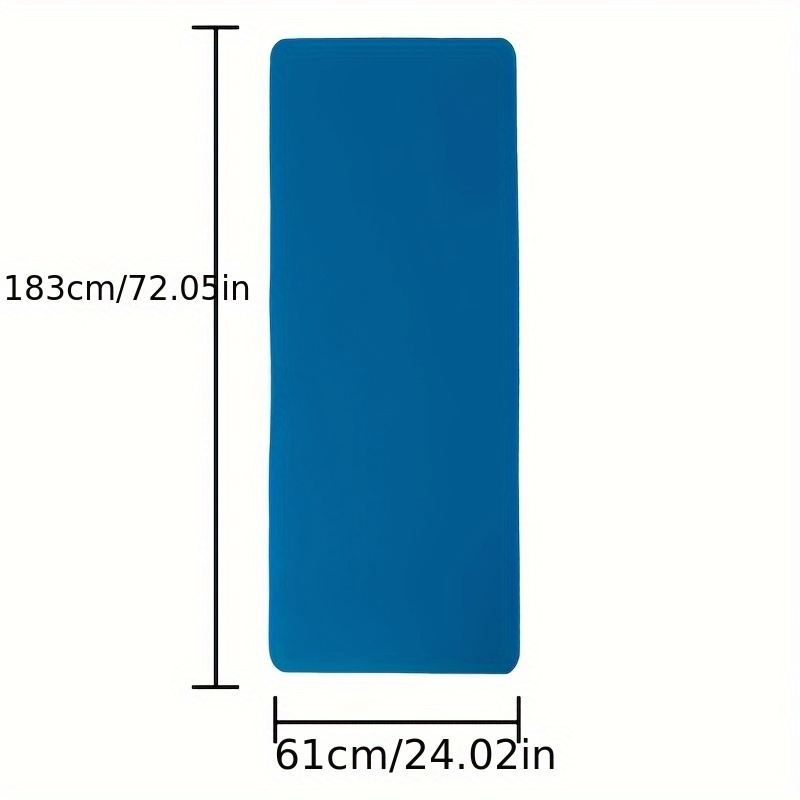
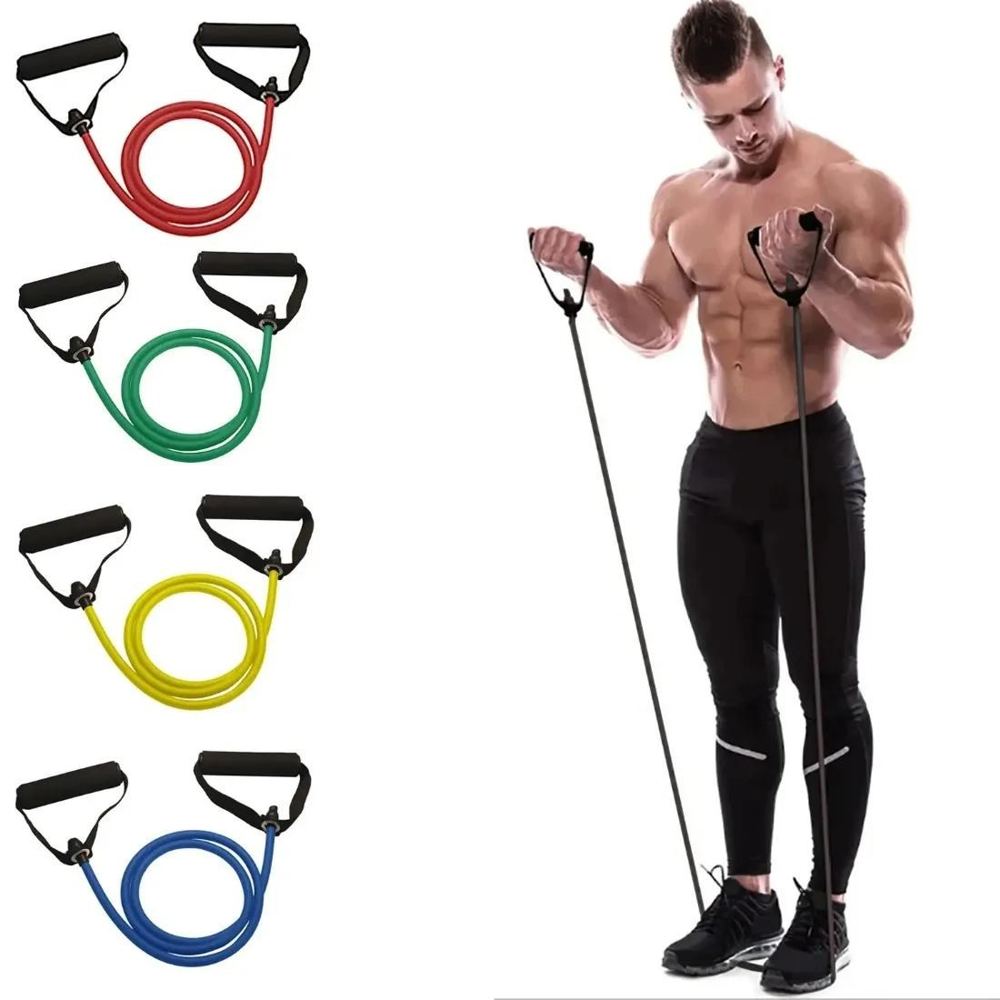
A small home kit covers all of these: light dumbbells such as the 3 Pair PVC Dumbbell Set with Case, a versatile Resistance Bands with Handles Home Gym Set, and a cushioned 8mm Thick Yoga Mat for comfortable floor work. If you are comparing equipment options, our guide to fitness equipment for women over 40 walks through what is worth buying and what is not.
The Essential Exercises
Perform these with control and good form. Start with 1–2 sets of 8–12 repetitions, resting 60–90 seconds between sets, two to three times per week on non-consecutive days. Warm up first with five minutes of gentle marching in place, shoulder rolls, and arm circles.
1. Chair-Assisted Squat
Purpose: leg and glute strength for sitting, standing, and stairs. Equipment: a sturdy chair, optional light dumbbells. Starting position: stand in front of the chair, feet hip-width apart, arms forward for balance. Technique: push your hips back and bend your knees to lower until you lightly touch the chair, keeping your chest lifted and knees tracking over your toes; press through your heels to stand. Breathing: inhale as you lower, exhale as you stand. Beginner modification: use the chair back or a countertop for hand support. Common mistakes: knees collapsing inward, rising onto the toes. Safety: keep the movement pain-free; if knees hurt, shorten the range.
2. Standing Hip Hinge (Romanian Deadlift Pattern)
Purpose: strengthens the glutes, hamstrings, and lower back — the muscles that protect your spine when bending and lifting. Equipment: light dumbbells or none. Starting position: stand tall, soft knees, weights resting on your thighs. Technique: push your hips straight back as if closing a car door behind you, letting the weights slide down your thighs until you feel a gentle stretch in the back of your legs; keep your back flat and return by squeezing your glutes. Breathing: exhale as you stand tall. Beginner modification: practice the movement with no weight, hands sliding down your thighs. Safety: never round the lower back; if you have osteoporosis, keep the load light and the spine neutral, and check with your doctor about loaded spinal flexion.
3. Wall or Incline Push-Up
Purpose: upper-body pushing strength for everyday tasks like pushing doors or getting up from the floor. Equipment: a wall or sturdy countertop. Starting position: hands on the wall at chest height, body in one straight line from head to heels. Technique: bend your elbows to bring your chest toward the wall, then press away with control. Breathing: inhale toward the wall, exhale as you press. Progression: move from wall to countertop to a sturdy table as you get stronger. Safety: keep wrists straight and shoulders away from your ears.
4. One-Arm Dumbbell Row (Supported)
Purpose: back and posture strength, countering the rounded-shoulder posture that creeps in with desk work. Equipment: one light dumbbell, a sturdy chair or bench. Starting position: one knee and hand on the chair, back flat like a tabletop, dumbbell hanging in the free hand. Technique: pull the dumbbell toward your hip, elbow skimming your ribs, squeeze your shoulder blade, then lower slowly. Breathing: exhale as you pull. Beginner modification: use no weight and focus on the shoulder-blade squeeze. Sets/reps: 6–12 per side.
5. Glute Bridge
Purpose: glute and core strength with zero load on the knees — excellent for hip stability. Equipment: a mat. Starting position: lie on your back, knees bent, feet flat and hip-width apart, arms at your sides. Technique: press through your heels to lift your hips until your body forms a straight line from shoulders to knees; squeeze your glutes for a second, then lower slowly. Breathing: exhale as you lift. Beginner modification: reduce the lift height. Safety: if you feel it mainly in your lower back, tuck your pelvis slightly and shorten the range.
6. Bird Dog
Purpose: core stability and balance without spinal strain. Equipment: a mat. Starting position: on hands and knees, wrists under shoulders, knees under hips. Technique: extend one arm forward and the opposite leg back, keeping hips level like a tabletop; pause, return, and switch sides. Breathing: exhale as you extend. Beginner modification: extend only the leg, or only the arm. Sets/reps: 5–8 per side. Safety: move slowly; wobbling is normal and is exactly what trains balance.
7. Single-Leg Stand (Balance Practice)
Purpose: fall prevention and ankle stability. Equipment: a wall or chair nearby for fingertip support. Starting position: stand tall beside your support. Technique: lift one foot a few inches off the floor and hold for 10–30 seconds, keeping your hips level; switch sides. Progression: reduce fingertip support, then try eyes closed for a few seconds (only with support in reach). Safety: always practice near something sturdy to grab. Do this one daily — balance responds quickly to frequent, short practice.
A Sample Weekly Routine
| Day | Session | | --- | --- | | Monday | Strength: exercises 1–6 (30–40 min) | | Tuesday | 20–30 min brisk walk + balance practice | | Wednesday | Rest or gentle stretching | | Thursday | Strength: exercises 1–6, slightly different variations (30–40 min) | | Friday | 20–30 min walk, swim, or cycle | | Saturday | Optional: yoga-style mobility flow on the mat | | Sunday | Full rest |
Two strength days plus walking is a complete program. Add a third strength day only when the current routine feels comfortable for several weeks. Our guide to planning your training week explains how to arrange these pieces around a busy schedule.
Safety Notes for Exercising Over 50
- Get medical clearance first if you have heart disease, uncontrolled blood pressure, osteoporosis, joint replacements, dizziness, or any chronic condition — and follow your provider's guidance over any general article.
- Start lighter than you think. The first two weeks should feel easy. Tendons and joints adapt more slowly than muscles, and patience now prevents setbacks later.
- Prioritize balance and fall safety. Clear clutter from your workout area, wear supportive non-slip footwear, and keep a wall or chair within reach during standing exercises.
- Warm up and cool down every time. Five minutes of gentle movement before, and slow stretches after, holding each 20–30 seconds without bouncing.
- Stop and seek advice for chest pain, severe dizziness, unusual shortness of breath, or sharp joint pain. Mild muscle effort and next-day soreness are normal; joint pain is not.
- Stay hydrated and eat normally. No special supplements are required for this kind of training; regular meals and water are enough.
FAQ
Q: Is it too late to start exercising at 55 or 60?
No. Adults who begin strength and balance training in their fifties, sixties, and beyond can still build meaningful strength, improve balance, and move more confidently. The key is starting gently, progressing gradually, and staying consistent. If you have health conditions, get your doctor's clearance first — then start.
Q: How heavy should my weights be?
Start with light weights — typically 1–3 kg (2–7 lb) dumbbells for upper-body work, slightly more for legs if it feels easy with perfect form. The right weight lets you complete your repetitions with good technique and 1–2 reps "in reserve." A small adjustable set like the 3 Pair PVC Dumbbell Set covers the range most women need. Increase only when your current weight feels easy for two sessions in a row.
Q: Are resistance bands safe for older adults?
Yes — bands are one of the gentlest ways to add resistance because the load is smooth and joint-friendly. Choose light resistance, inspect bands for nicks or tears before use, and anchor them securely. The Resistance Bands with Handles Set includes multiple resistance levels so you can start very light.
Q: What exercises should women over 50 avoid?
There is no universal banned list — it depends on your body. Generally, be cautious with high-impact jumping, deep loaded spinal flexion (especially with osteoporosis), exercises that cause joint pain, and anything involving a fall risk without support nearby. When in doubt, choose the supported or bodyweight version, and ask your doctor or physiotherapist about your specific situation.
Q: How quickly will I notice a difference?
Balance often improves within a couple of weeks of daily practice. Strength gains typically become noticeable within 6–8 weeks of consistent training, and everyday tasks — stairs, carrying, getting up — tend to feel easier around the same time. Progress varies widely between individuals depending on starting fitness, health, sleep, and consistency. No program can promise a specific timeline, but steady training reliably moves things in the right direction.
The Bottom Line
The best exercises for women over 50 are not exotic — they are the fundamental human movements, done gently and consistently: squat, hinge, push, pull, bridge, balance. Two to three short strength sessions a week, daily balance practice, regular walks, and medical clearance for any health concerns will do more for your strength and mobility than any intense program you cannot sustain. Start light, progress slowly, and give your body the credit it deserves for adapting at every age.
