A 4-week bodyweight workout plan for home: three progressive phases, exact exercises with rep ranges, and deload guidance — zero equipment, real progression.
Bodyweight Workout Plan: A 4-Week At-Home Program
You do not need a gym membership, a dumbbell rack, or even much floor space to build real strength. Your body is the original resistance machine — and a well-structured bodyweight plan can take a complete beginner from shaky wall push-ups to confident full push-ups, from breathless squats to controlled single-leg work, in four focused weeks.
This is not a random collection of exercises. It is a progressive program: three sessions per week, organized into phases that build on each other, with exact exercises, rep ranges, and clear rules for when to make things harder. Follow it as written, and week four will feel like a different body from week one.
This guide contains affiliate links. If you buy through them, VÉLORA may earn a commission at no extra cost to you.
How the Plan Works
Three sessions per week — Monday, Wednesday, Friday works well — with rest days between. Each session is full-body, 25–40 minutes including warm-up.
Three phases across four weeks:
- Weeks 1–2 — Foundation: Learn the movements with beginner-friendly versions. Build the habit and the base.
- Week 3 — Intensify: Harder variations, more reps, shorter rests. This is the growth week.
- Week 4 — Test and deload: Test your progress early in the week, then back off to let your body absorb the gains.
Two alternating workouts (A and B) so no session feels stale. Alternate them each training day: Week 1 goes A, B, A; Week 2 goes B, A, B, and so on.
Progression is built in. Each exercise has a standard version and a harder version. When you can complete the top of the rep range with good form, move to the harder version next session — or add a set.
The Exercises: Form First
Learn these before Week 1, Day 1. Every rep in the program should look like this.
Squat: Feet shoulder-width, toes slightly out. Hips back, knees tracking over toes, chest up. Lower until thighs are parallel (or as deep as form allows), drive through your whole foot. Inhale down, exhale up.
Push-up (start incline or from knees): Hands under shoulders, body in a straight line from head to knees (or toes). Lower your chest toward the floor, elbows at about 45 degrees from your body — not flared wide. Press back up without sagging the hips. Inhale down, exhale up.
Glute bridge: On your back, feet flat and hip-width. Drive your hips up, squeezing your glutes hard at the top for a full second. Lower slowly.
Reverse lunge: Step back, lower until both knees are near 90 degrees, torso tall. Drive up through the front heel. Alternate legs or finish one side first.
Plank: Forearms on the floor, body straight from head to heels. Brace your core at 20–30 percent, squeeze glutes lightly, breathe steadily. Stop the moment your hips sag — a shorter perfect plank beats a long saggy one.
Dead bug: On your back, arms toward the ceiling, knees at 90 degrees. Extend the opposite arm and leg slowly, keeping your lower back pressed to the floor. Exhale as you extend.
Superman: Face down, arms extended overhead. Lift chest and legs slightly, squeezing glutes and upper back. Hold one second, lower slowly. This balances all the front-of-body work.
Mountain climber: From a push-up position, drive one knee toward your chest, then switch with control. Keep hips level — no bouncing.
Warm-Up (5 Minutes) and Cool-Down (3 Minutes)
Warm-up, every session: 1 minute of marching in place, 10 leg swings per leg, 10 arm circles each way, 10 bodyweight squats, 5 incline push-ups, 10 glute bridges. Warm and loose, not tired.
Cool-down: Walk slowly for a minute, then hold each stretch 20–30 seconds: standing quad stretch, hamstring fold, chest doorway stretch, child's pose. Gentle — never force a stretch.
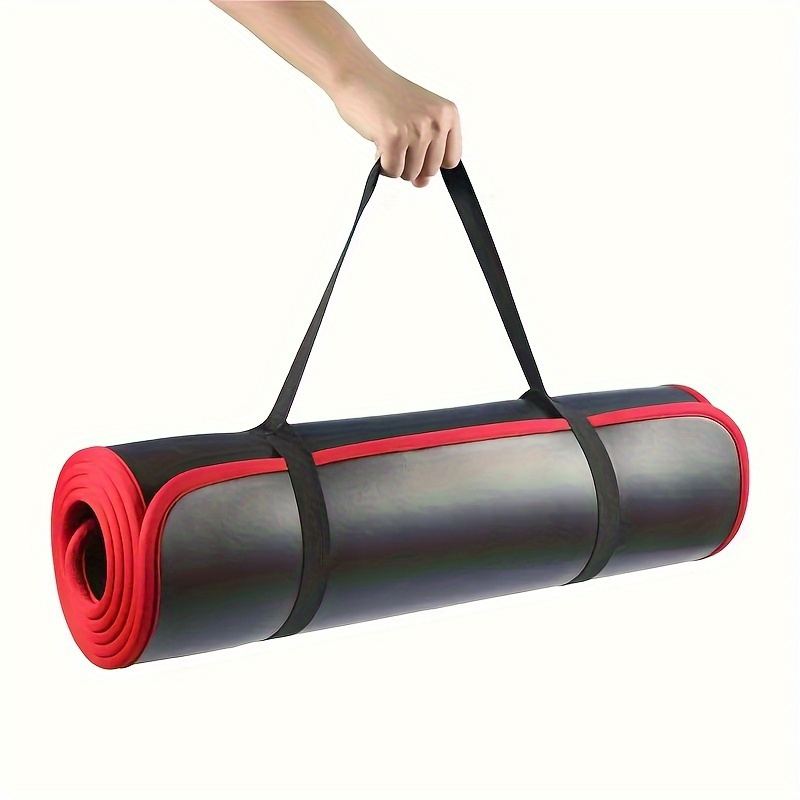
A comfortable floor makes floor work something you look forward to instead of dread. The Extra-Thick 10mm Yoga Mat cushions knees and spine through planks, bridges, and dead bugs.
Weeks 1–2: Foundation
The goal is clean movement patterns and consistency. Use the easier variation of every exercise and rest 45–60 seconds between sets. If you finish feeling like you could do it twice, that is perfect — restraint now pays off later.
Workout A (Foundation):
- Squat — 2–3 sets of 10–15 reps
- Incline push-up (hands on a sturdy chair or counter) — 2–3 sets of 8–12 reps
- Glute bridge — 2–3 sets of 12–15 reps
- Dead bug — 2 sets of 8 per side
- Superman — 2 sets of 10–12 reps
Workout B (Foundation):
- Reverse lunge — 2 sets of 8–10 reps per leg
- Knee push-up — 2–3 sets of 8–12 reps
- Glute bridge — 2–3 sets of 12–15 reps
- Plank — 2 sets of 20–30 seconds
- Mountain climber (slow and controlled) — 2 sets of 20 seconds
Move up when: You can complete all sets at the top of the rep range with clean form and controlled breathing.
Week 3: Intensify
Same workouts, harder versions, a little more volume. Rest drops to 30–45 seconds between sets — the shorter rest is part of the progression.
Workout A (Intensified):
- Squat — 3 sets of 15–20 reps (or split squats, 2 sets of 8–10 per leg)
- Knee push-up — 3 sets of 10–15 reps (or full push-ups for low reps)
- Single-leg glute bridge — 3 sets of 8–10 per leg
- Dead bug — 3 sets of 10 per side
- Superman — 3 sets of 12–15 reps
Workout B (Intensified):
- Reverse lunge — 3 sets of 10–12 reps per leg
- Full push-up (or knee push-up to failure + 2 full reps) — 3 sets, as many clean reps as possible
- Walking lunge in place (alternating forward steps, returning to center) — 2 sets of 10 total steps
- Plank — 3 sets of 30–45 seconds
- Mountain climber — 3 sets of 30 seconds
This week should feel genuinely challenging. Expect real muscle fatigue — and real satisfaction. Soreness may return briefly as the stimulus jumps; that is normal adaptation, not a setback.

Want to make Week 3's core work harder without adding time? Sliders turn mountain climbers and plank variations into a serious challenge on any floor — smooth, joint-friendly reps with no extra impact.
Week 4: Test, Then Deload
Days 1–2 (test): Retest yourself. How many clean full (or knee) push-ups can you do in one set? How long a perfect plank? How do 15 squats feel compared to week one? Write the numbers down — this is your proof of progress.
Day 3 and beyond (deload): Cut everything roughly in half — half the sets, easier variations, longer rests. The deload feels almost too easy, and that is the point: your body consolidates the last three weeks of work during easy training. You start your next cycle stronger.
Weekly Schedule Template
| Week | Mon | Tue | Wed | Thu | Fri | Sat | Sun | |---|---|---|---|---|---|---|---| | 1 | A (Foundation) | Rest / walk | B (Foundation) | Rest | A (Foundation) | Rest / walk | Rest | | 2 | B (Foundation) | Rest / walk | A (Foundation) | Rest | B (Foundation) | Rest / walk | Rest | | 3 | A (Intensified) | Rest / walk | B (Intensified) | Rest | A (Intensified) | Rest / walk | Rest | | 4 | Test day 1 | Rest | Test day 2 | Rest | Deload session | Rest / walk | Rest |
On rest days, a 20–30 minute walk is ideal — it promotes recovery without adding fatigue. Our Women's Workout Schedule guide covers balancing training with active recovery across a full week.
What Comes After Week 4
You have options, and all of them are good:
- Repeat the cycle with harder variations throughout (full push-ups, split squats, single-leg bridges from day one). Most women can run 2–3 cycles before bodyweight alone stops challenging them.
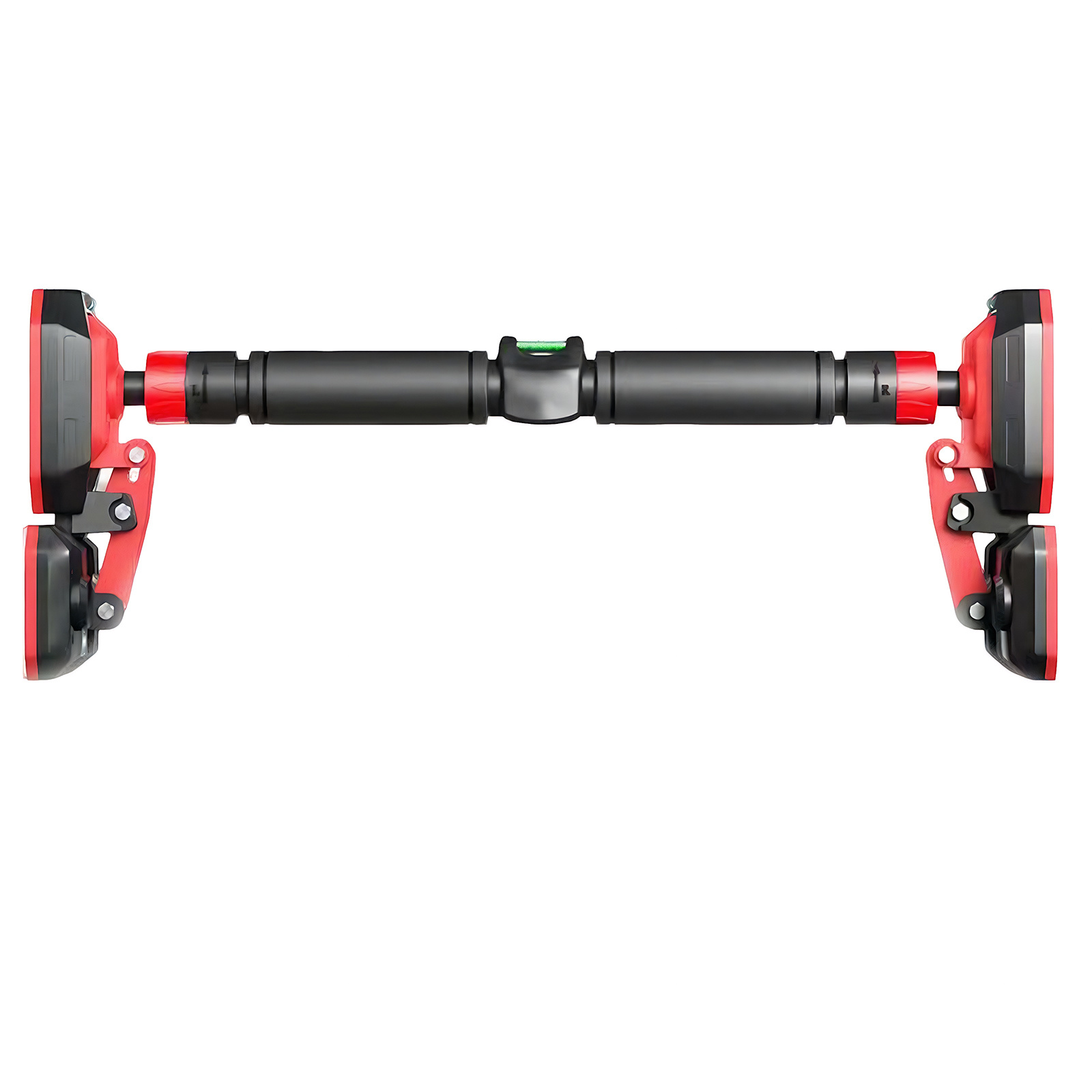
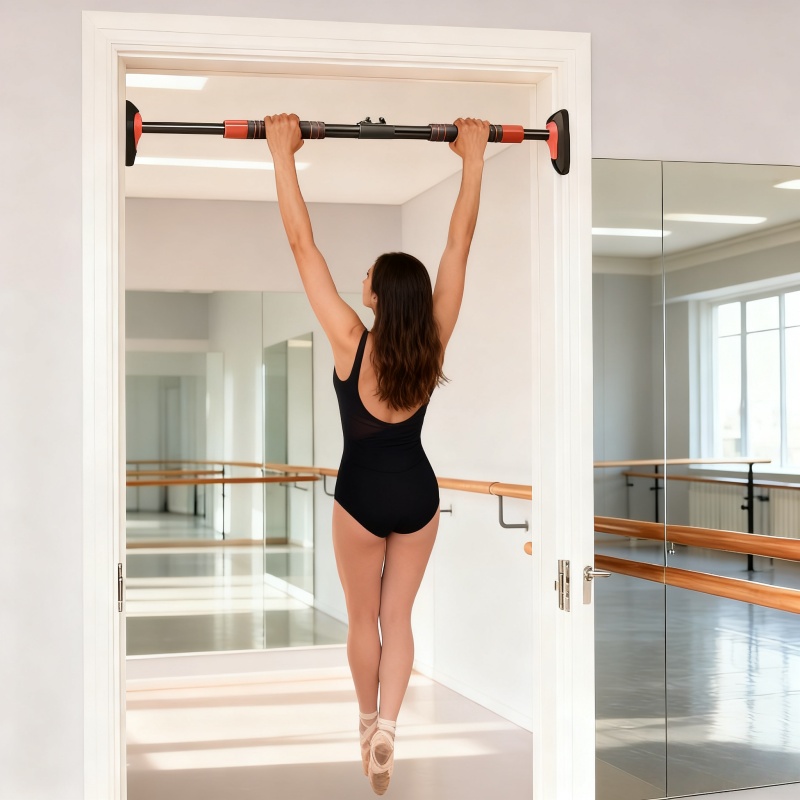
- Add minimal equipment. A doorway pull-up bar introduces the single best upper-body bodyweight exercise — the pull-up (start with dead hangs and assisted reps).
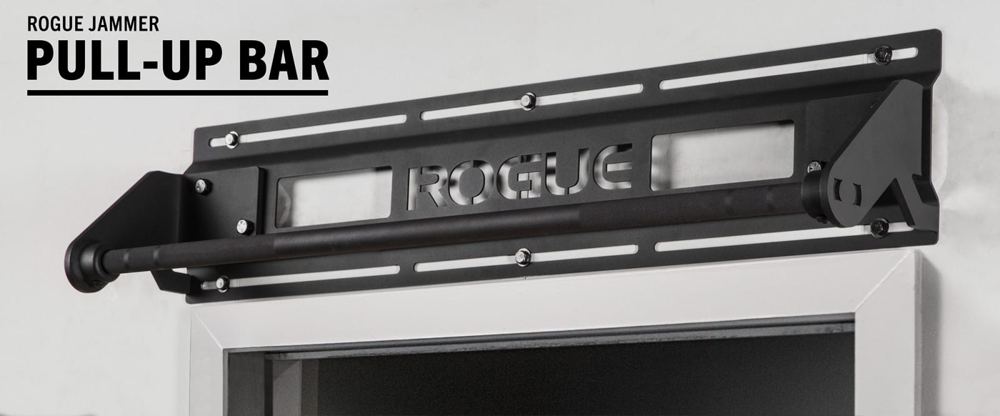
The Rogue Jammer Pull-Up Bar fits a standard doorway with no screws.
Common Mistakes
Skipping the foundation weeks. Jumping straight to Week 3 variations with shaky form. The plan only works if each phase is earned.
Sacrificing form for reps. A set of 8 perfect push-ups builds more strength than 15 sloppy ones. When form breaks, the set is over.
Resting too little, too soon. Shortening rests before you are ready turns strength work into gasping cardio. Keep the prescribed rests until the top of the rep range feels comfortable.
Training through joint pain. Muscle burn and next-day soreness are normal; sharp, pinching, or swelling pain is not. Regress or rest — pushing through joint pain turns six-week programs into six-month rehabs.
No progression tracking. If you do not write down reps and variations, you will not notice when you are ready to level up. A notes app is enough.
Safety Notes
- Clear enough floor space and wear shoes with grip (or go barefoot on a mat) — slipping mid-lunge is an avoidable injury.
- Warm up every session, even when you are short on time. A 3-minute abbreviated warm-up beats none.
- If you are pregnant, get provider clearance before starting; many bodyweight moves (squats, bridges, incline push-ups) suit pregnancy well with adjusted ranges, but avoid lying flat on your back for extended periods after the first trimester and skip anything causing coning or pelvic pressure. Postpartum, rebuild from the foundation phase and get clearance first.
- If you have a heart condition, high blood pressure, or a joint or bone diagnosis, check with your clinician before beginning.
FAQ
Q: Can you really build muscle with just bodyweight?
Yes — especially as a beginner. Muscles respond to tension and progressive challenge, not to the logo on the equipment. Bodyweight training builds meaningful strength for months; you progress by changing leverage (incline → knee → full push-up) instead of adding plates.
Q: How long should each workout take?
25–40 minutes including warm-up and cool-down. If sessions run much longer, you are resting too long or adding exercises — keep it tight.
Q: What if I cannot do a single push-up?
Start where you are: wall push-ups, then incline on a counter, then a sturdy chair, then knees on the floor, then full push-ups. Most women climb this ladder within the four weeks practicing push-ups twice weekly. There is no shame in any rung — only in skipping the ladder.
Q: Should I do this plan alongside running or other cardio?
Light cardio on rest days is fine and even helpful. Just keep hard cardio sessions away from your strength days — doing both hard on the same day compromises both.
Q: I missed a week. Do I start over?
No. Pick up where you left off, but repeat the previous week's sessions once if you missed more than 5–7 days, to rebuild the movement groove safely.
The Bottom Line
Four weeks, three sessions a week, zero equipment — and a body that moves better than the one that started. The secret was never a magic exercise; it is the structure: foundation before intensity, progression with rules, and a deload that lets the work sink in. Run the cycle, write down your numbers, and when bodyweight stops challenging you, you will know what "strong" feels like — because you built it.