A full back workout for men at home with no pull-up bar: rows, hinges, and band pulls for lats, traps, and posture, with form cues and rep ranges.
Back Workout for Men at Home (No Pull-Up Bar Needed)
The pull-up bar gets all the glory in back training — but not every man has a doorway that fits one, a landlord who allows one, or shoulders that tolerate one. What most people miss: the back does not care what you pull against. It cares that you row, hinge, and pull things toward you with enough resistance and good form — all doable with dumbbells, resistance bands, and bodyweight.
This guide gives you a complete back workout for men at home: six exercises covering the lats, upper back, traps, and lower back, each with form cues, set and rep ranges, breathing, beginner modifications, and common mistakes. Expect steady, honest programming — back development takes months of consistent pulling and results vary, but there is no equipment excuse.
This guide contains affiliate links. If you buy through them, VÉLORA may earn a commission at no extra cost to you.
The Back Muscles You Are Training
| Muscle group | What it does | Best home movements | | --- | --- | --- | | Lats (latissimus dorsi) | Pulls the arm down and back; the "width" muscles | Rows, band pulldowns, straight-arm pullovers | | Upper back (rhomboids, rear delts) | Pulls shoulder blades together; posture | Face pulls, wide rows, reverse flyes | | Traps | Shrugs and stabilizes the shoulders | Shrugs, farmer's carries, deadlift variations | | Lower back (spinal erectors) | Keeps the spine stable under load | Romanian deadlifts, supermans, bird dogs |
Train all four groups and your back develops completely — width, thickness, and spinal strength for daily life.
The Workout
How to use it: do this workout 1–2 times per week with at least 48–72 hours between back sessions (e.g. Tuesday and Saturday). Warm up 5 minutes — arm circles, cat-cow stretches, 10 hip hinges — then 2–4 sets of each exercise, 8–15 reps, resting 60–90 seconds between sets.
1. Bent-Over Dumbbell Row
Purpose: the cornerstone back builder — trains the lats, rhomboids, and biceps together.
Starting position: feet hip-width apart, knees soft, hinge forward about 45 degrees, a dumbbell in each hand hanging below your shoulders, back flat like a tabletop, chin tucked.
Technique: pull both dumbbells toward your lower ribs, driving your elbows behind you and squeezing your shoulder blades together. Pause a full second — the squeeze is the point — then lower slowly over 2–3 seconds.
Breathing: exhale on the pull, inhale on the lower.
Sets/reps: 3–4 sets of 8–12 reps.
Beginner modifications: single-arm rows with one hand braced on a chair; lighter weight, shorter range.
Common mistakes: rounding the back (drop the weight until it stays flat); rocking the torso to heave the weight up; rushing the lowering phase.
2. Single-Arm Dumbbell Row
Purpose: trains each side of the back independently, fixing the strength imbalances almost every man has.
Starting position: place your left knee and left hand on a sturdy bench or chair, right foot on the floor, back flat and parallel to the floor, dumbbell in your right hand hanging down.
Technique: pull the dumbbell toward your hip — not your chest — squeezing the lat at the top, driving your elbow toward the ceiling behind you. Lower slowly and complete all reps on one side before switching.
Breathing: exhale on the pull, inhale on the lower.
Sets/reps: 3 sets of 10–15 reps per side.
Beginner modifications: lighter weight; no bench — do it braced against a wall or table.
Common mistakes: rotating the torso open at the top (stay square); pulling toward the chest instead of the hip; shrugging the shoulder.
3. Resistance Band Seated Row
Purpose: constant-tension pulling that is easy on joints — excellent for high-rep back work and warm-ups.
Starting position: sit tall on the floor, legs extended, a resistance band looped around your feet, arms extended.
Technique: pull the band toward your lower ribs, squeezing your shoulder blades together. Pause, then extend your arms slowly back to the start, keeping your torso upright.
Breathing: exhale on the pull, inhale extending.
Sets/reps: 3 sets of 12–20 reps.
Beginner modifications: lighter band; shorter range; one arm at a time. A home resistance training kit with a door anchor lets you do these standing at any height.
Common mistakes: rounding the lower back to reach (shorten the band instead); yanking with the arms instead of squeezing the back.
4. Band Pull-Apart
Purpose: strengthens the upper back and rear deltoids — the muscles that undo desk-hunch posture.
Starting position: stand tall holding a light resistance band at shoulder height, arms straight, hands shoulder-width apart, palms down.
Technique: pull the band apart by squeezing your shoulder blades together until the band touches your chest, arms straight, shoulders down away from your ears. Return slowly.
Breathing: exhale pulling apart, inhale returning.
Sets/reps: 2–3 sets of 15–25 reps.
Beginner modifications: a very light band (or even a towel); a narrower grip for less range.
Common mistakes: shrugging the shoulders up; using a band so heavy the shoulders roll forward.
5. T-Bar / Landmine Row
Purpose: a heavy compound row for the entire back — the closest thing to a barbell row you can do at home.
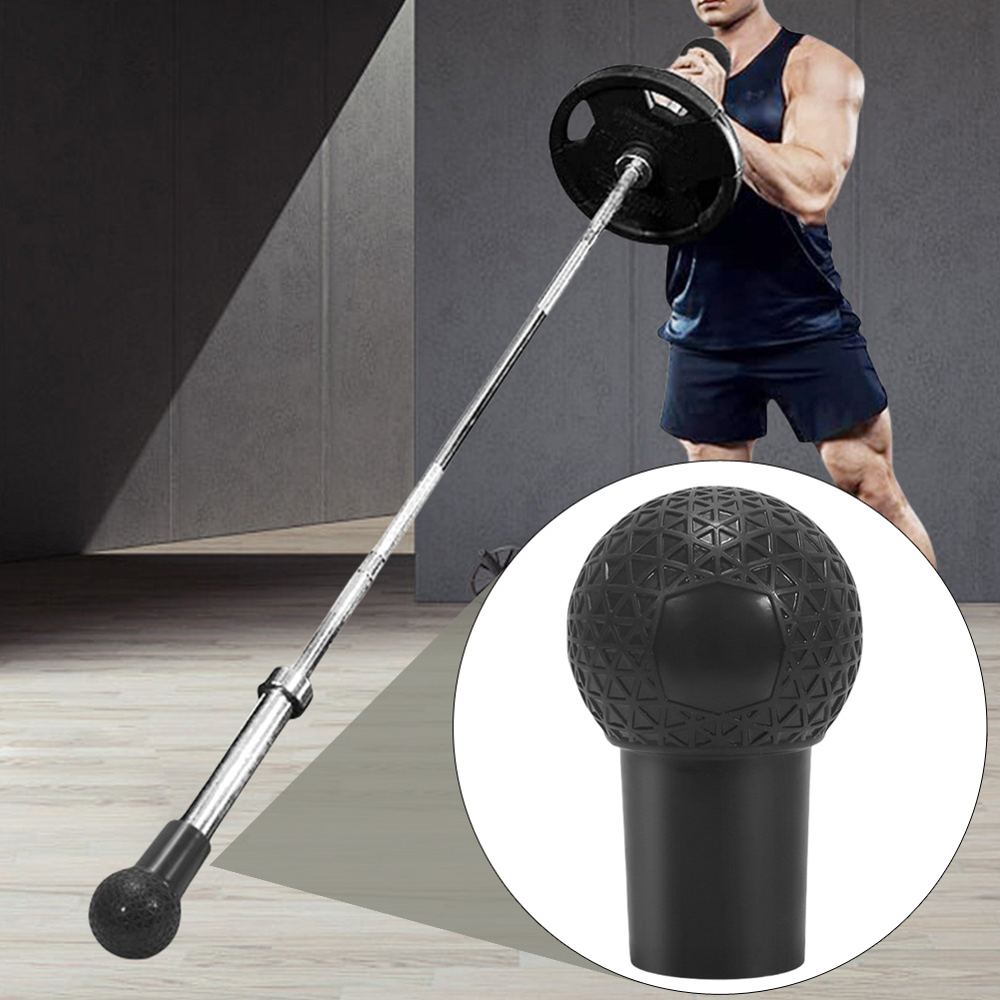
Starting position: wedge one end of a barbell into a corner (protected with a towel) or a landmine base and load the other end with weight plates. Straddle the bar, hinge forward, and grip the bar with both hands near the plates.
Technique: pull the bar toward your chest, squeezing your shoulder blades together at the top. Keep your back flat and your hips back, then lower under control until your arms are nearly straight. A barbell landmine attachment for T-bar rows gives the bar a secure pivot point so it cannot slip.
Breathing: exhale on the pull, inhale on the lower.
Sets/reps: 3–4 sets of 8–12 reps.
Beginner modifications: very light loading to learn the hinge position; dumbbell Romanian deadlifts if you have no barbell.
Common mistakes: rounding the lower back under load (reduce the weight immediately); standing too upright, which turns it into a shrug.
6. Superman Hold
Purpose: strengthens the lower back and glutes with zero equipment — essential balance for all the rowing.
Starting position: lie face down, arms extended overhead, legs straight, forehead resting on the floor.
Technique: lift your arms, chest, and legs off the floor together, squeezing your glutes and lower back. Hold 2–5 seconds, then lower slowly, keeping your neck neutral — look at the floor, not ahead.
Breathing: exhale as you lift, inhale as you lower — do not hold your breath during the hold.
Sets/reps: 3 sets of 10–15 reps (or 3 holds of 15–30 seconds).
Beginner modifications: lift only the arms, then only the legs; alternating "swimmer" lifts.
Common mistakes: hyperextending and cranking the neck back; rushing through reps instead of squeezing at the top.
No-Pull-Up-Bar Equipment Guide
| Option | Cost | Space | Best for | | --- | --- | --- | --- | | Dumbbells | $$ | Corner of a room | Rows, deadlifts, shrugs | | Resistance bands / loop bands | $ | Drawer | High-rep rows, pull-aparts, warm-ups | | Door-anchor band kit | $ | Doorway | Seated rows, face pulls at any angle | | Barbell + landmine attachment | $$$ | Garage/corner | Heavy T-bar rows |
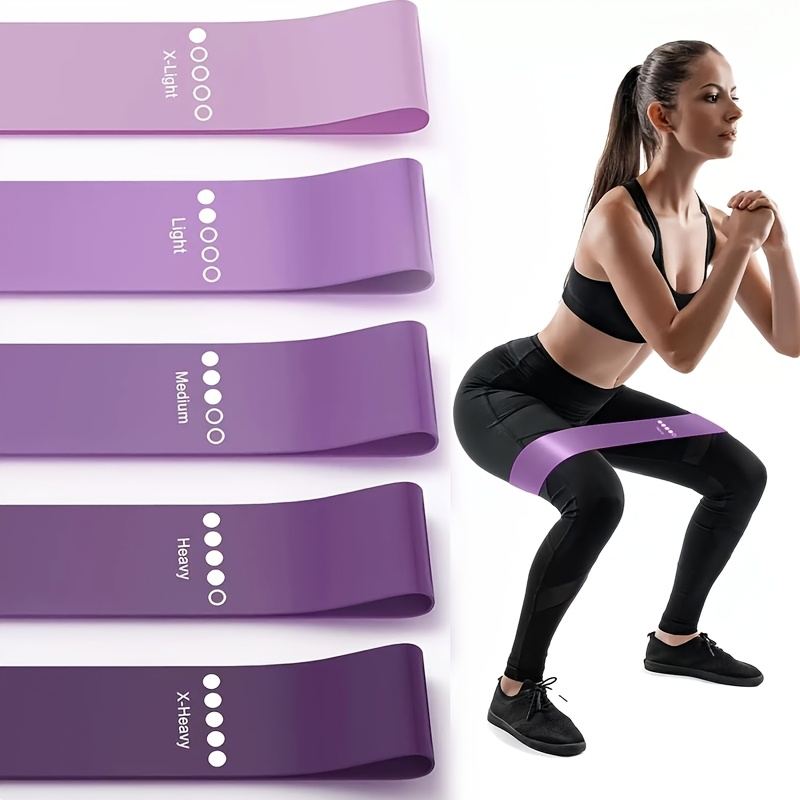
Circular resistance loop bands are the cheapest way to start, adding pulling resistance to rows, pull-aparts, and pulldowns with no setup. Our comparison of resistance bands vs dumbbells breaks down when each tool wins, and bands also top our quiet home gym equipment for apartments list since they are silent.
Weekly Structure and Balance
Back pairs naturally with the rest of your training:
- Full-body trainers: include 2–3 of these exercises per session, rotating weekly.
- Upper/lower split: dedicate one upper day to back (rows, pull-aparts, deadlift variation), the other to chest and shoulders.
- Push/pull balance: match every pushing exercise with roughly equal pulling volume. Most men press far more than they pull — fixing that ratio improves posture fastest.
Do not train the back hard on consecutive days — the muscles, tendons, and lower back need 48–72 hours to recover and adapt.
Common Back Training Mistakes
- Ego rowing. If your torso is rocking and your back is rounding, the weight is too heavy — the back responds to the squeeze, not the number on the dumbbell. New to this entirely? Our strength training starter guide covers breathing and bracing basics.
- Skipping the lower back. Everyone rows; few train the spinal erectors. Supermans, deadlift variations, and bird dogs protect your spine for decades.
- No pause at the top. Rushing through rows without the one-second squeeze leaves half the benefit on the table.
- Shrugging instead of retracting. Shoulder blades go back and together, not up to your ears — think "proud chest, pockets to hips."
- Neglecting grip. If your hands give out before your back does, add farmer's carries or simply hold the top of your rows for 2 seconds.
Safety Notes
- Keep your back flat on every hinge and row. If you cannot maintain a neutral spine, the load is too heavy — reduce it before continuing.
- Stop if you feel sharp pain in the lower back, shooting pain down a leg, or numbness. Muscle fatigue is normal; nerve symptoms are not.
- Warm up the shoulders and spine before heavy rows. This guide is for healthy adult men — check with your doctor first if you have a back, shoulder, or heart condition.
FAQ
Q: Can I build a good back without a pull-up bar?
Yes. Rows — bent-over, single-arm, T-bar, band rows — train the lats and upper back through the same pulling function, and many lifters build impressive backs on rows alone. Pull-ups are excellent but not mandatory; what matters is progressive, well-executed pulling volume over months. Results vary, but the mechanism is the same regardless of equipment.
Q: How many back exercises should I do per workout?
Three to five exercises covering a horizontal row, a vertical-ish pull or pullover pattern, and lower-back work is a complete session — for example, bent-over rows, single-arm rows, band pull-aparts, and supermans. That is 8–14 hard sets: enough stimulus without junk volume.
Q: My lower back gets tired during rows — is that normal?
Some lower-back fatigue is normal because it works hard to hold your hinge position. But if your lower back gives out before your lats feel anything, your hinge endurance is the weak link. Strengthen it with Romanian deadlifts, supermans, and bird dogs, and consider chest-supported single-arm rows (hand on a bench) to remove the hinge demand entirely.
Q: Should I train back and biceps together?
It is a natural pairing since rows work the biceps, so adding 2–3 sets of curls after back work is efficient. Keep it modest: your biceps are already fatigued from rowing, so a little direct work goes a long way. If your elbows ache, move curls to another day.
Q: How do I know my back is actually getting stronger?
Log your rowing numbers — weight, reps, sets. Visible back development is slow and hard to see in the mirror, so a monthly progress photo from behind beats daily checks. Strength climbing on rows over 8–12 weeks is the real signal.
The Bottom Line
You do not need a pull-up bar to build your back. You need rows with a real squeeze at the top, hinge work for the lower back, high-rep band pulling for the upper back, and months of patient progression. Train the back as hard as you train the chest, keep your spine neutral, and log your numbers.
