Arm toning exercises for women using light dumbbells: biceps, triceps, and shoulder moves with form cues, rep ranges, and beginner modifications.
Arm Toning Exercises for Women With Light Dumbbells
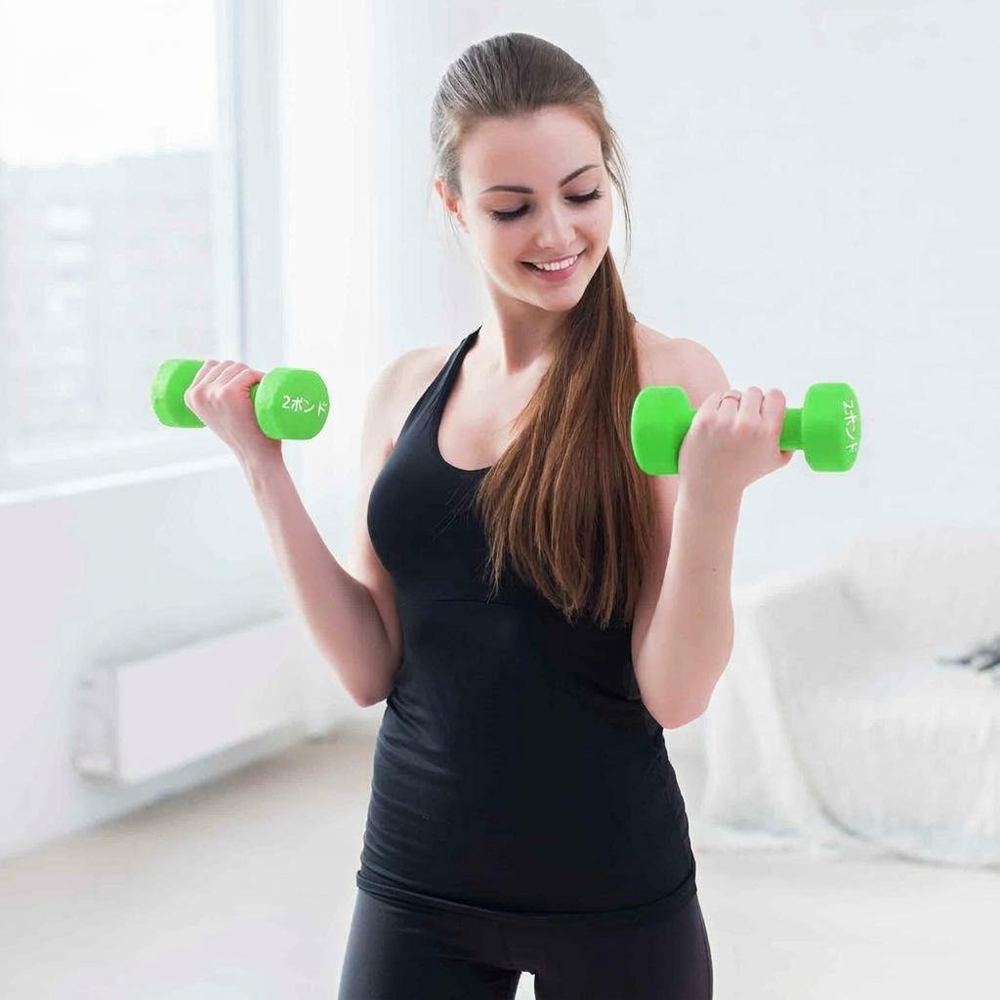
Toned arms come from two things: stronger muscles and consistent training over time. There is no shortcut and no single magic exercise — but there is a straightforward formula that works. Train the biceps, triceps, and shoulders with light dumbbells two to three times a week, use good form, and progress gradually. That is the whole secret, and this guide gives you the exact exercises to do it.
A quick honesty note before we start: no exercise can selectively remove fat from one body part. Arm exercises build and firm the muscles of the arms; overall body composition changes come from total activity, nutrition, sleep, and genetics, and results vary from person to person. What arm training reliably delivers is stronger, more defined-looking arms and upper-body strength that makes daily life — carrying, lifting, pushing — noticeably easier.
This guide contains affiliate links. If you buy through them, VÉLORA may earn a commission at no extra cost to you.
What Weight Should You Use?
For most women, "light" means 1–4 kg (roughly 2–9 lb) per dumbbell for arm isolation work. The right weight is one that lets you complete your target repetitions with good form while the last 2–3 reps feel genuinely challenging. If you can breeze through 15 reps, go heavier; if your form breaks down at rep 6, go lighter.
A small set with multiple weights is ideal because different muscles handle different loads — shoulders fatigue faster than biceps, for example. The 3 Pair PVC Dumbbell Set with Case covers that range neatly and stores tidily. For more detail on choosing weights and coatings, see our guide to the best dumbbells for women.
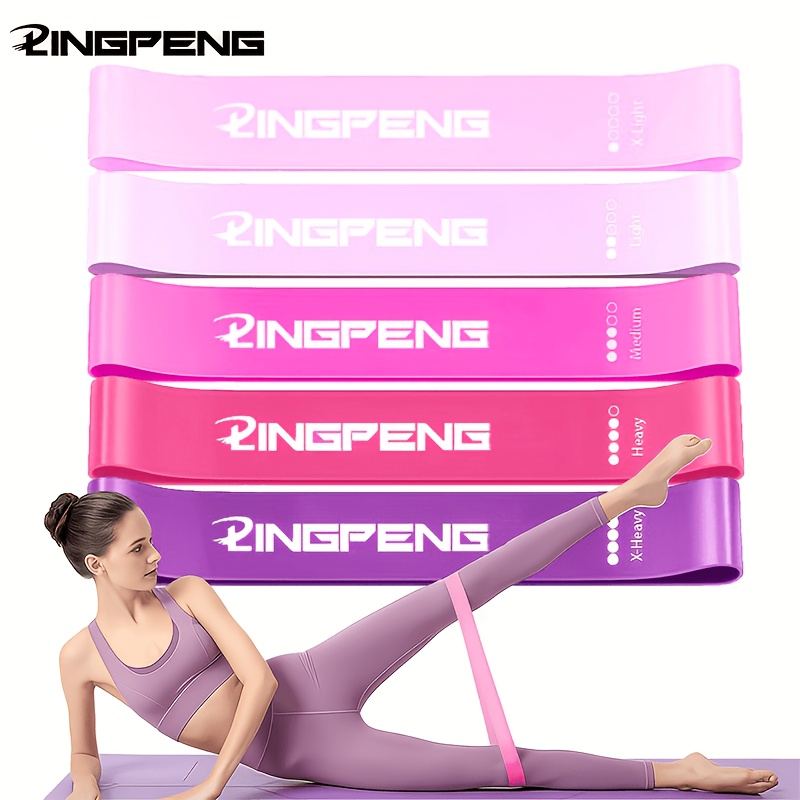
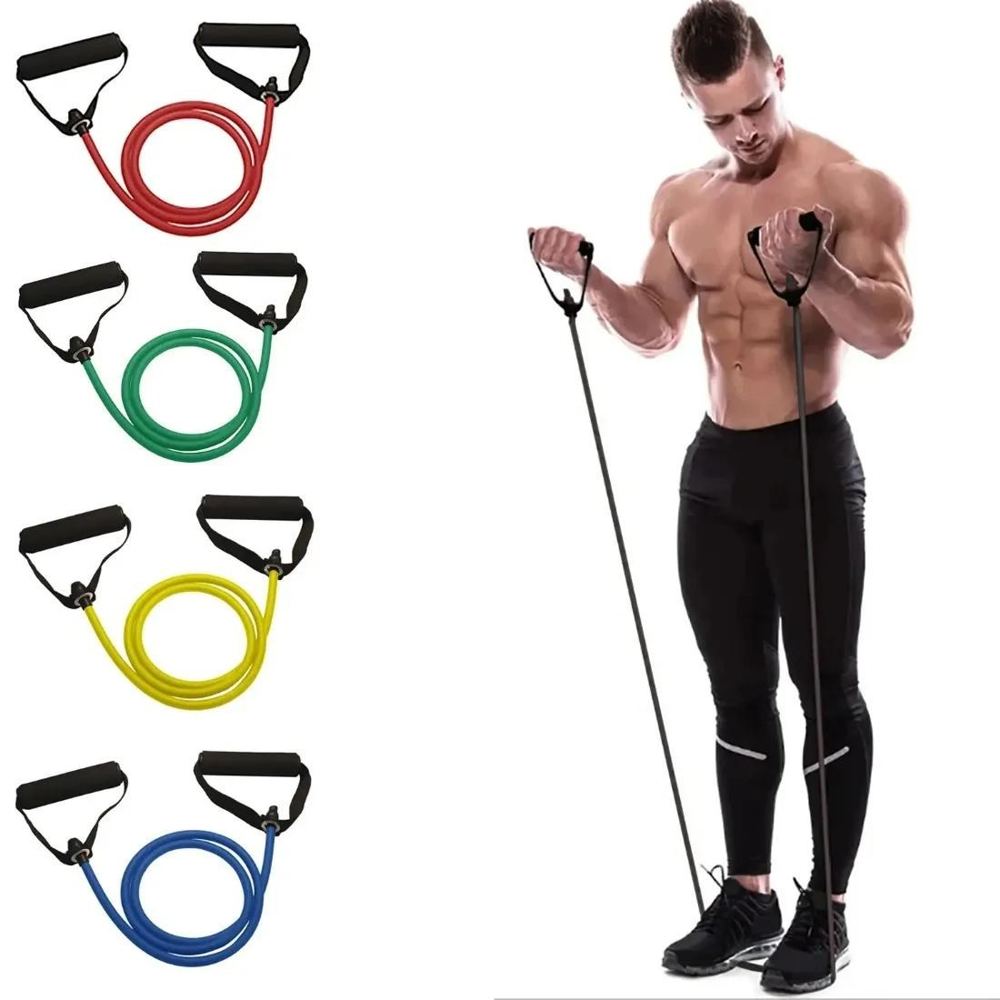
Resistance bands are an excellent alternative or complement: the Resistance Band for Arms and Legs Loop Bands works well for curls and press-downs, and a Resistance Bands with Handles Home Gym Set lets you replicate most dumbbell arm exercises with smooth, joint-friendly tension.
The Exercises
Do these 2–3 times per week on non-consecutive days, as a standalone 20–30 minute session or after a full-body workout. Warm up first with a minute of arm circles and shoulder rolls. For each exercise: 2–3 sets of 10–15 repetitions, resting 45–60 seconds between sets. Exhale on the effort (the lift or press), inhale as you lower.
Biceps
1. Standing dumbbell curl. Stand tall, dumbbells at your sides, palms facing forward. Keeping your upper arms still and elbows pinned near your ribs, curl the weights toward your shoulders, then lower slowly — the lowering phase should take about twice as long as the lift. Common mistakes: swinging the body for momentum, letting elbows drift forward. Beginner modification: do them seated, or one arm at a time.
2. Hammer curl. Same position, but hold the dumbbells like hammers (palms facing each other). Curl and lower with the same control. This variation also works the forearms, which improves grip for everyday carrying. Technique tip: keep your wrists straight — do not let them bend backward under the weight.
Triceps (the Back of the Arm)
The triceps make up roughly two-thirds of the upper arm, so they deserve at least as much attention as the biceps.
3. Overhead triceps extension. Hold one dumbbell with both hands overhead, arms extended, elbows pointing forward. Slowly bend your elbows to lower the weight behind your head, then press back up. Keep your upper arms still — only the forearms move. Beginner modification: use a lighter weight, or do this seated against a chair back. Safety: if your shoulders complain in the overhead position, swap this for the kickback below.
4. Triceps kickback. Hinge forward at the hips with a flat back, dumbbell in each hand, elbows bent at your sides. Extend your arms straight back behind you, squeezing the triceps for a second, then return slowly. Common mistakes: swinging the weights up with momentum instead of squeezing; dropping the elbows. Technique tip: think "elbows glued to ribs, forearms do the work."
Shoulders
5. Dumbbell shoulder press. Stand or sit tall, dumbbells at shoulder height, palms facing forward. Press the weights overhead until your arms are extended (without locking the elbows hard), then lower with control. Breathing: exhale as you press. Beginner modification: press one arm at a time, or use lighter weights. Safety: stop if you feel pinching in the shoulder; keep the movement pain-free and the ribs down rather than arching the back.
6. Lateral raise. Stand tall, light dumbbells at your sides. With a soft bend in the elbows, raise your arms out to the sides to about shoulder height, then lower slowly. This is a small muscle exercise — use your lightest dumbbells. Common mistakes: shrugging the shoulders up to the ears, swinging the weights up. Technique tip: lead with the elbows, not the hands, and pause briefly at the top.
Finisher: Band Press-Down
7. Resistance band press-down. Anchor a band at chest height (a sturdy door anchor or pole works). Stand facing it, elbows tucked at your sides, and press the band down until your arms are straight, squeezing the triceps. 2 sets of 12–20 repetitions. This is a joint-friendly way to finish the triceps after the dumbbell work above.
Putting It Together: A Sample Arm Session
| Order | Exercise | Sets × Reps | | --- | --- | --- | | 1 | Standing dumbbell curl | 2–3 × 10–15 | | 2 | Overhead triceps extension | 2–3 × 10–15 | | 3 | Dumbbell shoulder press | 2–3 × 8–12 | | 4 | Hammer curl | 2 × 10–15 | | 5 | Triceps kickback | 2 × 10–15 | | 6 | Lateral raise | 2 × 10–15 | | 7 | Band press-down (finisher) | 2 × 12–20 |
Rest 45–60 seconds between sets. The whole session takes about 25 minutes. Alternate this arm-focused day with lower-body or full-body training — see our weekly workout schedule guide for how to arrange it, and our upper-body workout guide for more movement options.
How to Progress (Without Getting Stuck)
- Add reps first. When you can complete all sets at the top of the rep range with good form, add 2–3 reps before reaching for a heavier weight.
- Then add weight. Move up in small increments — even 0.5–1 kg makes a real difference on isolation exercises.
- Slow the lowering phase. Taking 3 seconds to lower the weight increases the challenge without any new equipment.
- Track your sessions. Note the weight and reps; progress you can see is motivation you can trust.
- Change one variable at a time. New weight or new reps or new exercise — not all three at once.
Expect strength and firmness to build gradually over weeks and months. Muscle definition becomes more visible as a combination of muscle development and overall body composition, which varies widely — there is no fixed timeline, and anyone promising one is selling something.
Common Mistakes
- Using weights that are too heavy. Momentum takes over, joints take the load, and the target muscles do less work. Lighter with control beats heavier with swinging, every time.
- Training arms every day. Muscles grow between sessions. Two to three arm sessions per week with rest days between them is plenty.
- Ignoring the triceps. The back of the arm is the larger muscle group — skipping it leaves half the job undone.
- Rushing the lowering phase. The eccentric (lowering) portion builds significant strength. Lower slowly on every rep.
- Holding your breath. Exhale on the effort, inhale on the return. Never strain against a held breath.
FAQ
Q: Will lifting dumbbells make my arms bulky?
For the vast majority of women, no. Building visibly large muscles requires years of heavy, progressive training plus a caloric surplus — light-to-moderate dumbbell work two to three times a week builds strength and firmness, not bulk. What most women see is more defined, shapelier arms.
Q: How long until my arms look more toned?
Strength typically improves within the first few weeks, and muscle firmness builds over 8–12 weeks of consistent training. Visible definition depends on muscle development plus overall body composition, which varies enormously between individuals — genetics, nutrition, sleep, and total activity all matter. There is no guaranteed timeline; consistency is the only reliable lever.
Q: Can I tone my arms with resistance bands instead of dumbbells?
Yes. Bands provide smooth, joint-friendly resistance and work well for curls, press-downs, and lateral raises. Many women use both: dumbbells for presses and curls, bands for finishers and travel. The loop bands and handled band set mentioned above cover the full arm routine.
Q: Should I do high reps with light weights or heavier weights?
Both work for toning goals. The 10–15 rep range with moderate weights is a practical middle ground: enough load to challenge the muscle, light enough to keep form clean. If you enjoy it and your form holds, occasionally working in the 6–10 range with slightly heavier weights builds strength faster.
Q: My elbows hurt during triceps exercises. What should I do?
First, reduce the weight and check your form — flared elbows and locked-out joints are common culprits. Swap overhead extensions for kickbacks or band press-downs, which are gentler on the elbow joint. If pain persists, stop the aggravating exercises and consult a physiotherapist rather than training through it.
The Bottom Line
Arm toning for women is refreshingly simple: light dumbbells, the seven exercises above, two to three sessions a week, good form, and patience. Train biceps, triceps, and shoulders in balance, progress in small steps, and give the program 8–12 weeks before you judge it. The women with the most defined arms are not the ones who found a secret exercise — they are the ones who kept showing up.
