This ankle weights buying guide explains how much weight is right for your legs and glutes, what to look for when buying, and how to use them safely at home.
Ankle Weights Buying Guide: How Much Weight Is Right?
Ankle weights look like the simplest piece of fitness equipment in the store — small bands of weight you strap around your lower legs. And honestly, they nearly are. But pick the wrong pair (too heavy, poor strap, uncomfortable material) and they will sit in a drawer forever. This ankle weights buying guide will help you choose the right weight, understand what they are actually good for, and use them safely so they earn their spot in your routine.
This guide contains affiliate links. If you buy through them, VÉLORA may earn a commission at no extra cost to you.
What Ankle Weights Are Actually Good For
Ankle weights add a small amount of resistance to your lower body during movement. That makes them useful for a few specific things:
- Glute and hip-strengthening exercises: lying leg raises, glute kickbacks (donkey kicks), side-lying leg raises, and clamshells become genuinely more challenging with an extra pound or two on each ankle.
- Light resistance during walking: wearing them on an easy walk raises the effort of your legs slightly. Keep it modest — a little goes a long way here.
- Pilates and barre-style workouts: ankle weights are a staple of floor work in these styles because the movements are controlled and the weight stays close to the joint.
What they are not great for: building serious muscle the way progressive dumbbell training does, spot-reducing the legs (no exercise can choose where your body loses fat), or making every cardio workout "harder" — walking in heavy ankle weights, for instance, can change your stride in ways your knees and ankles will not thank you for. Use them for what suits them, and they are a lovely little tool.
How Much Weight Is Right?
The most common question in any ankle weights buying guide is also the most important one. The honest answer: lighter than you think. Ankle weights hang far from your hips, so even a small amount creates meaningful leverage. Most women do best in this range:
| Your level | Per-ankle weight | Good for | |---|---|---| | Complete beginner | 0.5–1 lb | Floor exercises (glute kickbacks, side-lying leg raises) | | Light resistance | 1–2 lb | Pilates and barre floor work, slow controlled moves | | Moderate | 2–3 lb | Adding challenge to bodyweight leg circuits | | Experienced | 3–5 lb | Advanced floor work only, not for walking |
A 3 lb pair (1.5 lb per ankle) is the sweet spot for most women doing home workouts — enough to feel, light enough to move with good form. If you are choosing between two sizes, choose the lighter one. You can always add ankle weights to more exercises; you cannot undo the knee irritation from weights that were too heavy for weeks.
One hard rule: do not strap on ankle weights for walking, hiking, or jogging if they make your stride change. If your knees start landing differently or your hips ache, take them off. Ankle weights are at their best in controlled, stationary positions — not pounding pavement.
What to Look for When Buying Ankle Weights
Once you have settled on a weight, the buying details come down to comfort and practicality:
1. Adjustability
Two styles dominate the market, and it matters more than most people expect:
| Feature | Adjustable-weight sets (weight bars/slabs you add) | Fixed-weight pairs | |---|---|---| | Grows with you | Yes — add or remove weight | No — you outgrow them or buy again | | Best starting point | Strong — one purchase covers beginner to advanced | Convenient if you know your size | | Bulk around the joint | Often slimmer, weight sits in pockets | Can be thicker/puffier at higher weights | | Price | Usually a bit higher upfront, cheaper long-term | Cheaper per pair |
Adjustable pairs are the smarter long-term buy. They let you start at 1 lb per ankle and work up without buying a second set.
2. Strap and closure
Velcro straps are standard and fine — but check reviews for two things: whether the strap stays put through a full set (nobody wants to re-tighten mid-workout), and whether the closure irritates bare skin. A neoprene or soft-fabric inner lining makes a real difference if you train in shorts.
3. Material and comfort
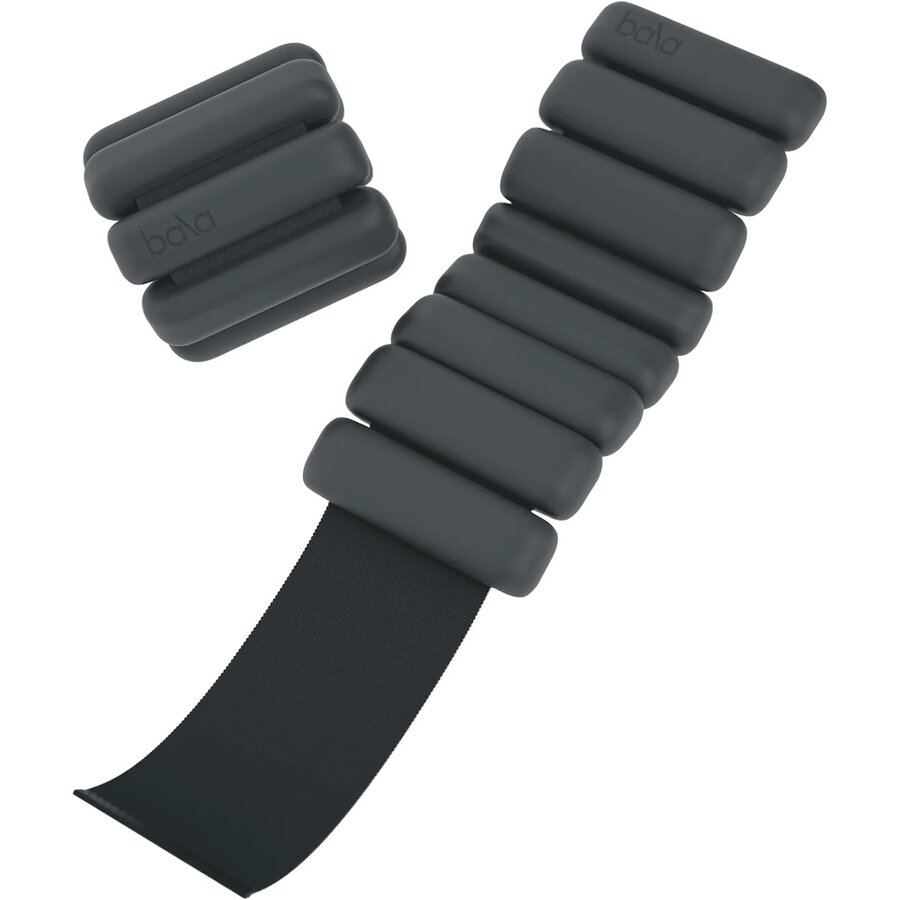
Cheaper ankle weights use sand or iron pellets in thin nylon — functional, but they can feel lumpy and get sweaty fast. Silicone-coated or coated-steel designs (the "bangle" style, like the Bala Bangles 3 lb set) sit smooth against the skin, wipe clean, and double as wrist weights — a genuinely useful two-in-one for arm-toning work too. Our roundup of the best ankle weights for women compares the top styles in more detail.
4. Fit for your ankles and wrists
Check the strap's length range against your measurements. Most fit a wide range, but very slim ankles can find some pairs sliding around. If you plan to wear them as wrist weights for arm exercises, confirm the strap cinches small enough for your wrists.
How to Use Ankle Weights Safely (3 Core Moves)
Form beats load every time. Start with 2–3 sessions per week, 2–3 sets of each move, and only increase weight when you can finish every set with clean form.
1. Glute kickbacks (donkey kicks)
Purpose: glute max strength — great for posture and low-back support. Starting position: hands and knees, hands under shoulders, knees under hips, back flat. Technique: keeping the knee bent at 90 degrees, press one heel toward the ceiling, squeezing the glute at the top. Lower slowly — take two counts down for every one count up. Breathing: exhale as you lift, inhale as you lower. Sets/reps: 2–3 sets of 10–15 per side. Beginner modification: skip the ankle weights entirely until you can do 3 sets of 15 with perfect control.
2. Side-lying leg raises
Purpose: hip abductors (outer thigh and glute medius) — the muscles that stabilize your pelvis when you walk. Starting position: lying on your side, legs stacked, bottom arm under your head, top hand on the floor for balance. Technique: lift the top leg to about 45 degrees, leading with the heel, foot flexed. Lower with control. Keep your torso still — no rocking backward. Breathing: exhale on the lift, inhale on the way down. Sets/reps: 2–3 sets of 12–15 per side. Beginner modification: bend the bottom knee and shorten the range of motion until it feels steady.
3. Standing leg lifts (for balance and hips)
Purpose: gentle hip flexor and glute medius work with a balance bonus. Starting position: stand tall holding a wall or chair back, weight on one foot. Technique: slowly lift the free leg to the side about 6–12 inches, pause, and lower. Then lift it behind you a few inches, pause, and lower. Small, controlled movements. Breathing: steady breathing throughout; never hold your breath. Sets/reps: 2 sets of 8–12 lifts each direction per leg.
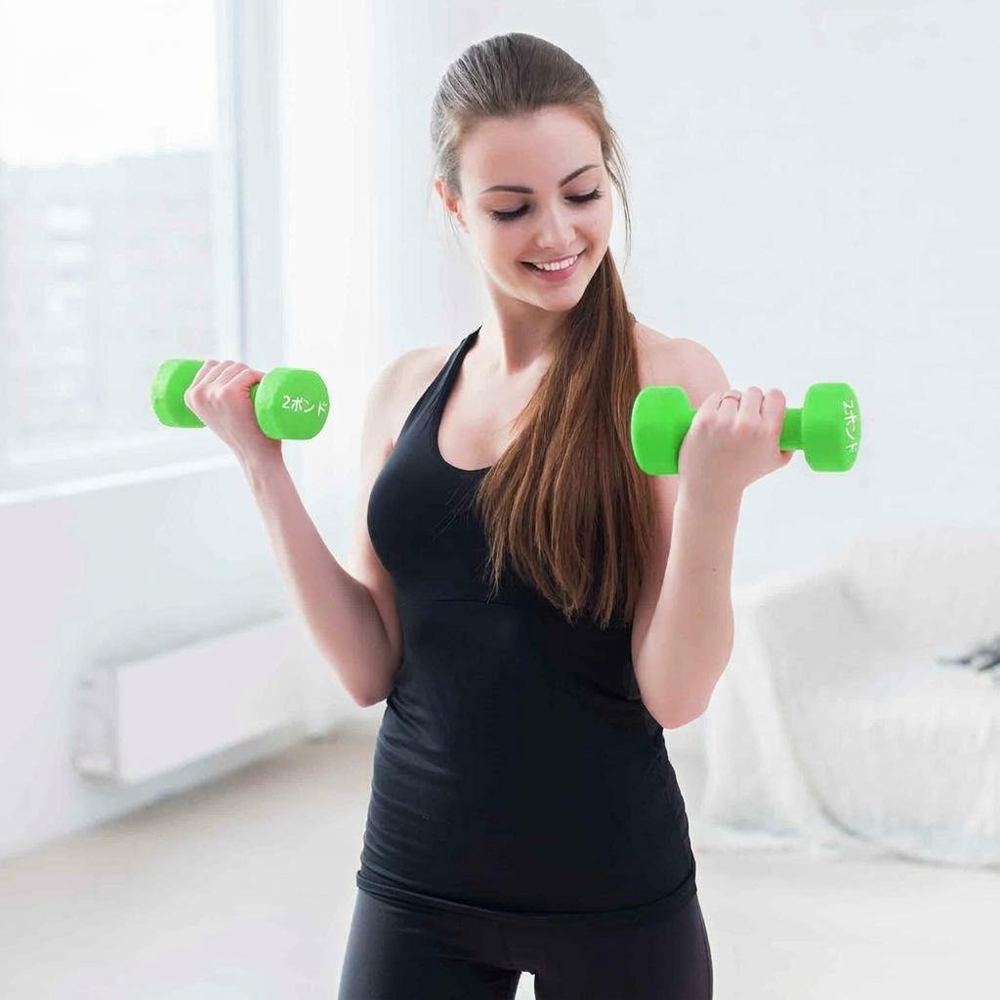
Pair these with light dumbbells for your upper body and you have a complete session — the 3-pair PVC dumbbell set is a budget-friendly companion that covers most beginner-to-intermediate arm and shoulder work. For a full plan, see our glute workout at home for women.
Common Mistakes With Ankle Weights
- Starting too heavy. The #1 mistake. Form collapses, hips start hiking, and the lower back takes over — exactly the opposite of what you want.
- Wearing them all day. Ankle weights are a workout tool, not a fashion accessory. Extended wear fatigues stabilizer muscles and changes how you move, which is how irritation starts.
- Using them for high-impact cardio. Running or jumping in ankle weights loads the joints at the worst possible moment — at impact. If you want harder cardio, add time or intensity instead.
- Skipping the warm-up. Five minutes of marching in place, leg swings, and hip circles gets blood to the joints you are about to load.
- Buying for walking without testing. If you do add them to walks, start with the lightest weight and a short, flat route. Build time before adding weight.
Safety Notes
- Stop and remove the weights if you feel sharp pain in your ankles, knees, hips, or lower back. Mild muscle fatigue is normal; joint pain is a stop signal.
- Check straps before each session — a loose ankle weight swinging mid-rep is a sprained ankle waiting to happen.
- If you are pregnant, postpartum, or managing a joint or back condition, check with your provider before adding ankle weights to your routine, and get clearance for resistance exercise generally.
- Remember: results vary. Ankle weights support strength and tone alongside a balanced routine — they are one ingredient, not a transformation.
FAQ
Q: How much weight should ankle weights be for a beginner?
Start at 0.5–1 lb per ankle for floor exercises. That sounds light, but the leverage of weight at your foot makes small numbers feel significant. Move to 2 lb per ankle once 3 sets of 15 reps feel easy with clean form.
Q: Can I wear ankle weights while walking?
Yes, with caution. Use the lightest weight you own, stick to flat routes at first, and pay attention to your stride — if it changes, the weights are too heavy. Never run or do high-impact moves in them.
Q: Do ankle weights help lose leg fat?
No exercise can reduce fat in just one area — that is spot reduction, and it does not work. Ankle weights strengthen the muscles underneath, and overall fat loss comes from nutrition, sleep, stress management, and consistent full-body activity. Results vary for every woman.
Q: Can I use ankle weights on my wrists?
Many modern designs (including bangle-style pairs) are made for exactly this. As wrist weights they add light resistance to arm raises and boxing-style moves. Start light — 1 lb per wrist — and skip them for any movement where your wrist bends under load.
Q: Adjustable or fixed-weight ankle weights — which is better?
Adjustable sets are the better buy for most people because they grow with you. Fixed pairs are fine if you already know your ideal weight and want something simple.
Q: How often can I train with ankle weights?
Two to three sessions per week is plenty for the small muscles they target (glutes, hip abductors). These muscles recover like everything else — daily heavy use invites overuse irritation rather than faster progress.
Conclusion
The right ankle weight is almost always lighter than your instinct says: 1–2 lb per ankle to start, adjustable straps, a comfortable lining, and a style that fits both your ankles and your wrists if you want the two-in-one bonus. Use them for controlled floor work two or three times a week, keep your form honest, and add weight slowly. Do that, and this humble little tool will quietly become one of the most-used pieces of gear in your home setup.
