What the 5x5 program actually involves: the five lifts, how progression works, who it suits, and an honest answer for beginners deciding whether to start it.
The 5x5 Workout Explained: Is It Right for Beginners?
Few training programs are as famous — or as debated — as 5x5. Five sets of five reps, three days a week, built around a handful of barbell lifts. It promises strength in its simplest form: add a little weight every session, and watch yourself get stronger. For women who want real strength without complicated programming, that simplicity is deeply appealing.
But is 5x5 right for a beginner? It depends on you, your equipment, and what "beginner" means in your case. This guide explains the five lifts, the progression, and the structure — then gives a straight answer on whether to start it, and what to do instead if it is not your program.
This guide contains affiliate links. If you buy through them, VÉLORA may earn a commission at no extra cost to you.
What Is the 5x5 Program?
The 5x5 program: five sets of five reps on a few compound barbell exercises (multi-joint lifts that train lots of muscle at once), three times per week, adding a little weight every session.
The program alternates two full-body workouts — A and B — three non-consecutive days a week (e.g. Mon/Wed/Fri): A, B, A one week, B, A, B the next. Sessions run 45–75 minutes including warm-ups and rests.
The five core lifts are:
- Back squat — bar across your upper back; sit down and stand back up. Trains legs and glutes, with the whole trunk stabilizing.
- Bench press — lying on a bench, lower the bar to your chest and press it up. Trains chest, shoulders, and triceps.
- Overhead press — standing, press the bar from shoulder height to overhead. Trains shoulders and triceps with serious core work.
- Barbell row — bent over at the hips, pull the bar to your lower ribs. Trains the back, lats, and biceps.
- Deadlift — pick the bar off the floor by hinging at the hips and standing tall. Trains glutes, hamstrings, and back. (Done for one heavy set of five, not five sets — see below.)
That is the whole program. No machines, no isolation exercises, no variety for variety's sake. Five lifts, five sets of five, three days a week, adding weight each time.
The Two Workouts
Here is how the week looks. Workout A and Workout B each use three of the five lifts:
| | Workout A | Workout B | |---|---|---| | Exercise 1 | Squat — 5 sets × 5 reps | Squat — 5 sets × 5 reps | | Exercise 2 | Bench press — 5 sets × 5 reps | Overhead press — 5 sets × 5 reps | | Exercise 3 | Barbell row — 5 sets × 5 reps | Deadlift — 1 set × 5 reps | | Weekly pattern | Week 1: A / B / A — Week 2: B / A / B | Alternates each session | | Rest between sets | 3–5 minutes on heavy sets, 90 seconds–2 minutes when the weight is still light | Same | | Session length | 45–75 minutes including warm-up | 45–75 minutes including warm-up |
Why deadlifts only get one set: Deadlifts tax your back, grip, and recovery more than anything else in the program, and you already squat in the same session. One heavy set of five is enough stimulus to progress without wrecking recovery for the next workout. Doing five heavy deadlift sets after squats is a classic beginner mistake that stalls everything else.
How Progression Works
Progression is the heart of 5x5 and almost aggressively simple: add a small amount of weight to each lift, every session — roughly 2.5 kg (5 lb) per lift, sometimes 5 kg on deadlifts early on.
That means in theory, if you squat 20 kg in week one, you are squatting 27.5 kg by week two and 35 kg by week three. The first few weeks feel almost easy — that is by design, teaching you technique while the weight is forgiving.
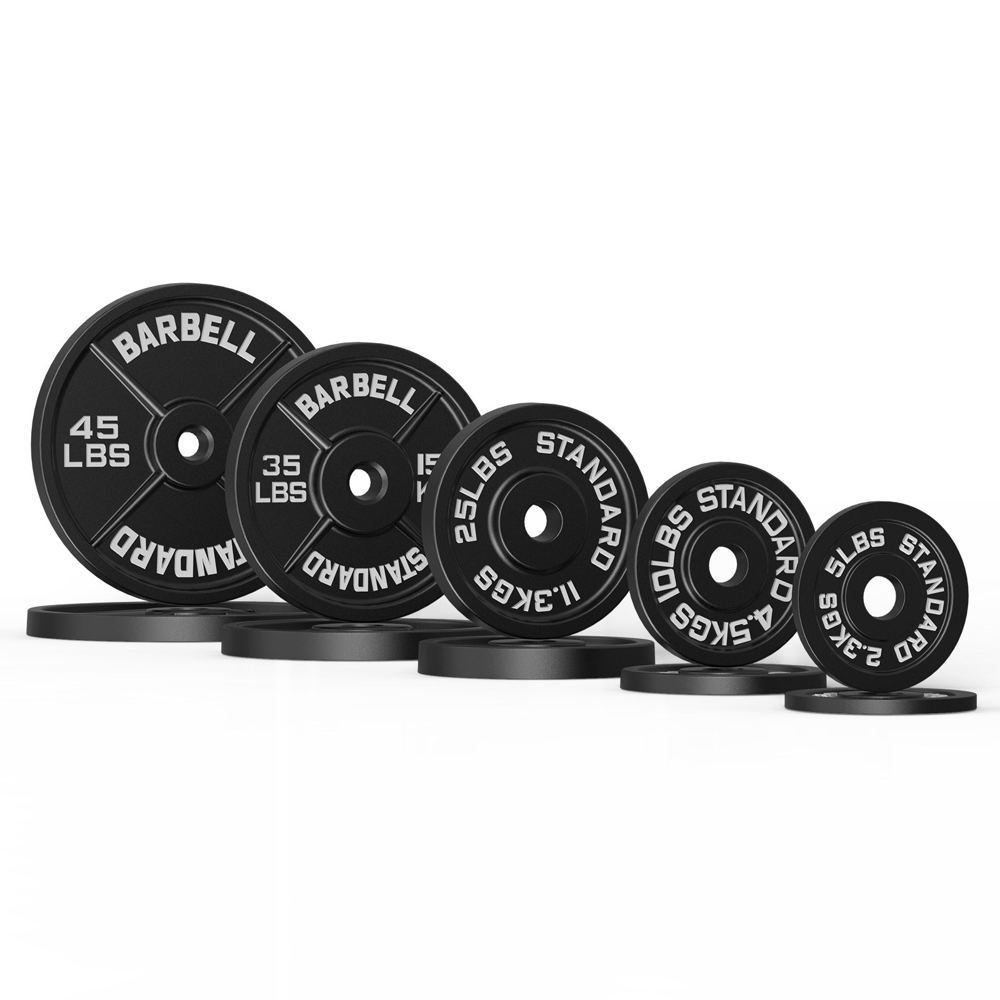
When you fail: Eventually — usually within the first couple of months — you will not complete all five sets of five at the new weight. That is normal, not a crisis. Try the same weight next session; if you miss three sessions in a row, deload — drop about 10 percent, rebuild, and you will usually sail past the old sticking point.
Start lighter than your ego wants. The most common way beginners break 5x5 is starting too heavy. Begin with an empty bar (20 kg / 45 lb) or lighter and practice perfect form while the progression does its work. If the empty bar is too heavy for overhead pressing — true for many women at first — start with dumbbells and graduate to the bar.
What Equipment You Need
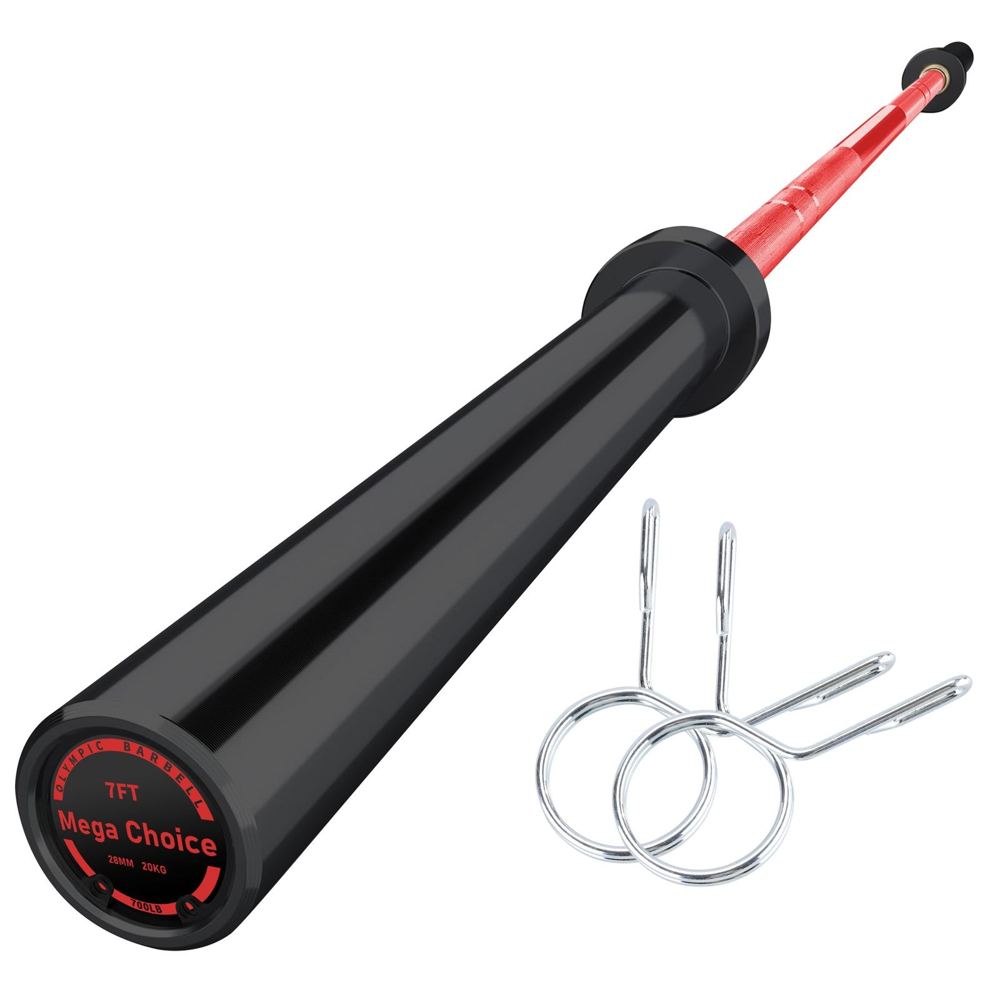
Strictly, 5x5 needs a barbell, weight plates, a squat rack or stand, and a bench. A heavy-duty straight barbell is the foundation piece — the 45-lb Olympic bar the program was built around — and a heavy-duty squat stand with barbell brackets gives you a safe place to rack the bar without a full power rack.
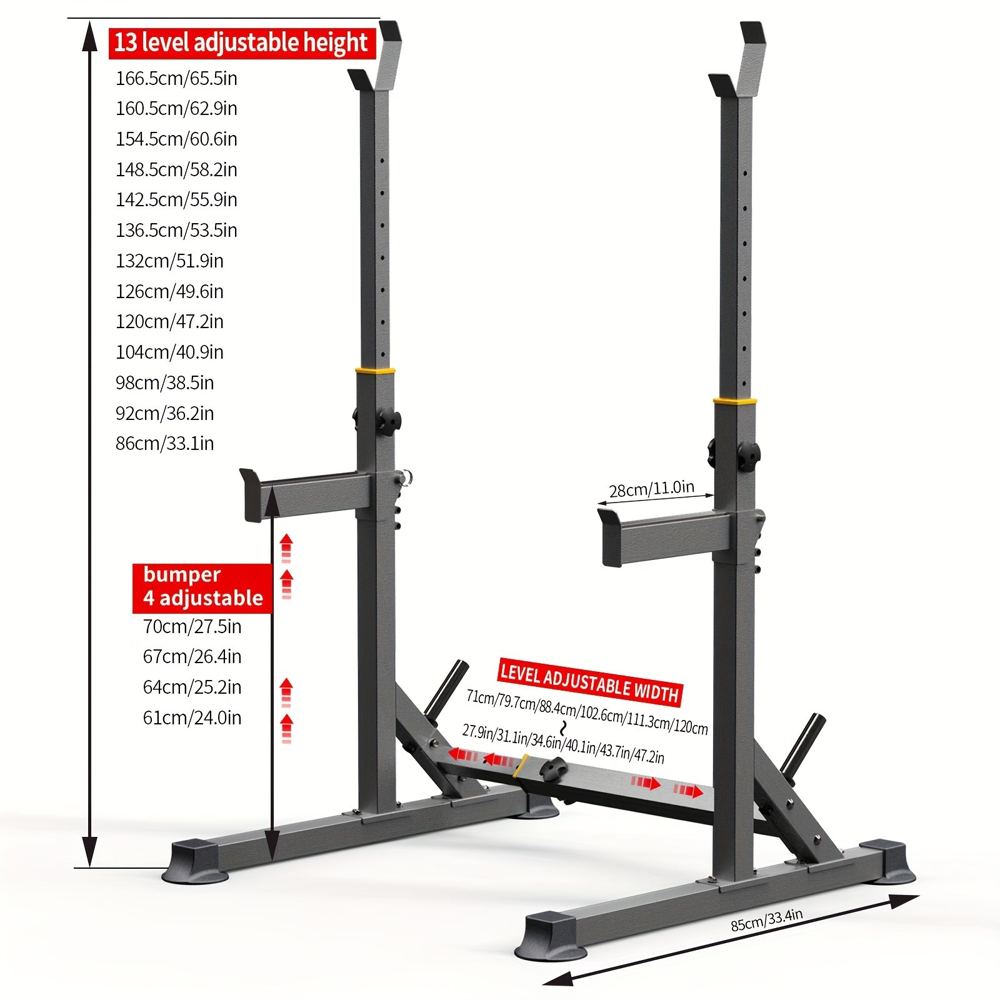
If a full barbell setup is out of reach, the same 5x5 structure works with dumbbells — start with our guide on how to start strength training and transition to barbells later.
The Honest Pros and Cons
What 5x5 does well:
- Simplicity. Five lifts, one progression rule, no decisions. For women who find program design overwhelming, that clarity is genuinely valuable.
- Strength focus. Five-rep sets with progressive loading build real, measurable strength.
- Efficiency. Three full-body sessions a week fits busy lives, and compound lifts give the most training effect per minute.
- Measurable progress. Every session has a number attached — motivating in a way "I feel fitter" is not.
Where 5x5 falls short:
- Technique demands. Squats, deadlifts, and rows are technical. Without coaching or careful study, beginners can practice bad form for weeks — and aggressive progression punishes that quickly.
- Minimal upper-body and single-leg work. Upper-body volume is modest, and there is no unilateral leg work (lunges, split squats), which many coaches consider important for balance and knee health.
- Recovery gets real. As weights climb, three heavy sessions a week demand good sleep and enough food. Women dieting hard or sleeping five hours a night will stall fast.
- It can get boring. Five lifts, forever. Some love the ritual; others quit from monotony within two months.
- The empty bar is a real barrier. A 45-lb bar for overhead press is genuinely heavy for many beginner women. Start with dumbbells and graduate to the bar — there is no prize for starting heavier and stalling in week three.
Is It Right for You? An Honest Verdict
5x5 is a good fit if: you have access to a barbell setup (gym or home), you are excited by getting measurably stronger, you can commit to three consistent sessions a week, and you will learn lift technique carefully — ideally with a coach for the first few sessions, or thorough video study with form checks.
Consider something else first if: you have never lifted and find barbells intimidating, you train at home with only dumbbells or bands, you have a history of back or knee issues (get cleared and coached first), or you want more variety and upper-body emphasis. A dumbbell-based beginner program, like the three-day plan in our strength training starter guide, builds the same foundation with more forgiving equipment — you can graduate to 5x5 in a few months if the barbell calls to you.
The middle path: run a simplified barbell program with a coach or experienced friend for 4–6 weeks to learn the lifts, then decide whether the full 5x5 structure appeals. Learning the squat, press, and deadlift is valuable even if you never run 5x5 as written.
One more honest note: 5x5 will not reshape your body on a timeline — no program does. What it reliably delivers, when run consistently with adequate food and sleep, is strength, which for most women turns out to be the more satisfying goal anyway. If your real question is about toning versus building muscle, read our toning vs. building muscle guide before choosing any program.
Running Your First Two Weeks
Week 1: Workout A (Mon) → Workout B (Wed) → Workout A (Fri). Start every lift with the empty bar or lighter and focus entirely on form: film your squats from the side, check your deadlift setup twice. Rests can be short (90 seconds) while the weight is light.
Week 2: Workout B (Mon) → Workout A (Wed) → Workout B (Fri). Add the small increment to each lift. This is the pattern for the coming months — weights climb, rests lengthen to 3–5 minutes on hard sets.
Warm-ups: before each lift, do 2–3 warm-up sets at lighter weights (empty bar × 8, half working weight × 5), plus 5 minutes of general movement first. Never jump cold into a heavy set of five.
Common Beginner Mistakes on 5x5
- Starting too heavy. The number one killer. Start light; the program gets hard on its own schedule.
- Skipping warm-up sets. Cold heavy squats are how form breaks and how people get hurt.
- Rounding the back on deadlifts and rows. If your back rounds, the weight is too heavy or your setup needs work. Drop weight and fix it.
- Bouncing the bar off the chest on bench press. Lower under control, touch lightly, press. Momentum is not strength.
- Not eating or sleeping enough. Progressive barbell training on a steep calorie deficit and five hours of sleep stalls fast. You do not need to "bulk" — just eat adequately and sleep 7–9 hours.
- Program-hopping. 5x5 works over months. Switching programs every three weeks because progress slowed is how beginners stay beginners.
FAQ
Q: How long should a beginner run 5x5?
Most run it for 3–6 months before progress slows and a more varied program becomes useful. When you dread sessions or stall repeatedly despite deloads, sleep, and food, evolve the program — do not quit training.
Q: Can women do 5x5, or is it a men's program?
Yes — strength programming is not gendered. The practical adjustments are lighter starting weights (especially for pressing) and sometimes dumbbells until the empty bar is manageable.
Q: Will 5x5 make me bulky?
Not by accident. Noticeable muscle size takes years of dedicated, heavy training plus a calorie surplus; a few months of 5x5 builds strength and modest muscle most women describe as toned and athletic.
Q: What if my gym only has machines, not barbells?
Run a machine-based beginner program instead — leg press, chest press, lat pulldown, and seated row cover similar movement patterns. Forcing 5x5 onto machines misses the point, which is learning the free-weight lifts.
Q: How much rest do I need between 5x5 sessions?
Train on non-consecutive days (e.g., Mon/Wed/Fri) and sleep 7–9 hours. As weights get heavy, you may need the full 48 hours between sessions — that is normal.
Q: Should I add extra exercises to 5x5?
Resist the urge for the first 8–12 weeks — added exercises steal recovery from the main lifts. Later, small additions are fine: some core work or light arm work at the end.
The Bottom Line
The 5x5 program is exactly what it claims to be: five barbell lifts, five sets of five, three days a week, a little more weight every time. It is one of the most effective beginner strength programs ever written — and one of the most demanding of good technique, honest starting weights, and consistent recovery. If you have barbell access and the patience to learn the lifts properly, it is an excellent first program. If barbells intimidate you or equipment is limited, start with a dumbbell-based plan and revisit 5x5 when ready. Either way, the principle underneath — progressive, compound, consistent — is what builds strength.