Short on time? This 20-minute home workout blends strength and cardio in one smart circuit — no gym needed. Includes warm-up, three blocks, and an express cool-down.
20-Minute Home Workout for Busy Days
Twenty minutes is not a consolation prize — it is a complete training session when it is designed well. Between school runs, work deadlines, and the thousand small tasks that fill a woman's day, the biggest threat to your fitness is not a bad workout. It is no workout, skipped again because the "right" one would take an hour.
This session packs strength, cardio, and core work into three short blocks. You will warm up for three minutes, train for fourteen, and cool down for three — and walk away having trained your whole body. No gym, no commute, no equipment you don't already have (and two optional tools if you want them).
This guide contains affiliate links. If you buy through them, VÉLORA may earn a commission at no extra cost to you.
How the 20-Minute Session Works
The session is built in three blocks, each with a clear job:
- Block 1 — Strength (6 minutes): two compound moves that train your biggest muscles
- Block 2 — Cardio (5 minutes): simple moves that raise your heart rate without jumping around the apartment
- Block 3 — Core (3 minutes): two trunk exercises that finish the session strong
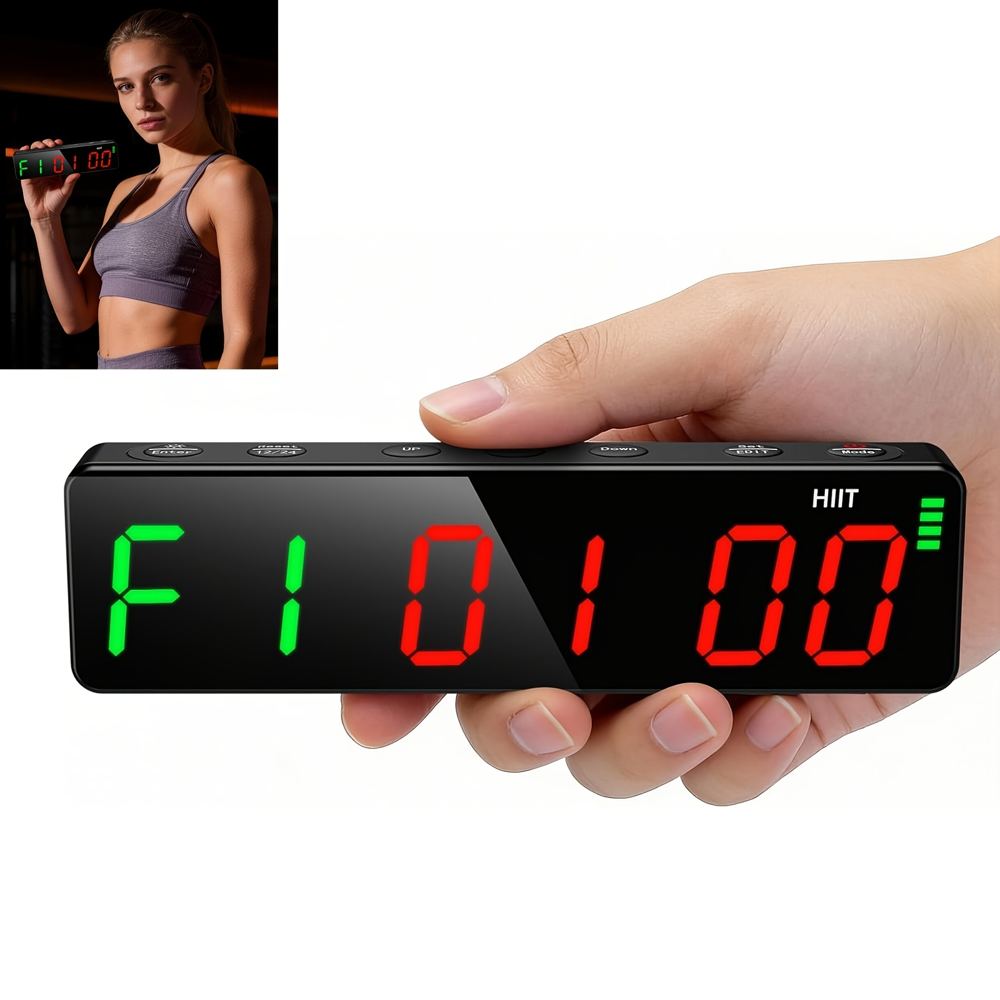
Each block runs on simple intervals: work for 40 seconds, rest for 20 seconds, then move to the next exercise. A basic phone timer works fine, or use an interval timer — the Portable Workout Timer is magnetic, so it sticks to the fridge where you can see it. Total: twenty minutes, three blocks, zero wasted time.
Two timing options depending on your day:
- Standard: 40 seconds work / 20 seconds rest (the default below)
- Express: 30 seconds work / 15 seconds rest, and cut the cool-down to 90 seconds — for the truly slammed days
Results vary, and no single session transforms anything. What transforms things is doing this three times a week for months. Twenty focused minutes, repeated, beats an hour done once a month.
Warm-Up (3 Minutes)
Move through each for 45 seconds: march in place, arm circles (forward and back), bodyweight good mornings (hinge at the hips, back flat), and alternating knee raises. You should feel warm and slightly breathless before Block 1 starts.
Block 1: Strength (6 Minutes)
1. Squat to Calf Raise (40 seconds work / 20 seconds rest). Feet shoulder-width apart, toes slightly out. Sit back and down into a squat, keeping your chest up and knees tracking over your toes. As you stand, rise onto your toes and squeeze your calves. Lower your heels and repeat. This covers quads, glutes, and calves in one move.
2. Push-Up — your best version (40 seconds work / 20 seconds rest). Use whichever version you can do with good form: wall, counter, knees on the floor, or full. Hands slightly wider than shoulders, elbows at about 45 degrees, body straight. Lower for two counts, press for one. Quality reps only — when your form breaks, rest.
Repeat both moves once more (that is 6 minutes total: two rounds of two moves).
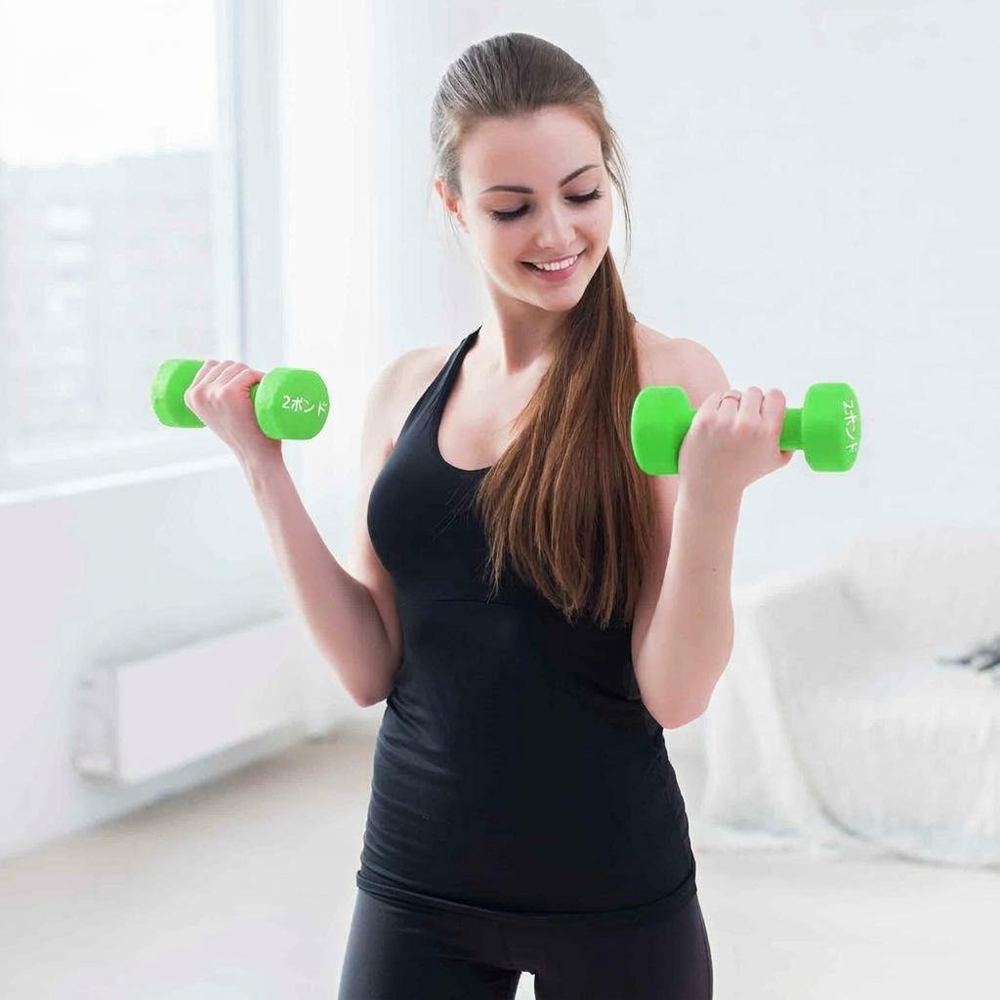
Light dumbbells make this block even better once the bodyweight versions feel easy. A PVC dumbbell starter set lets you add goblet squats and dumbbell rows without a big investment or much storage space.
Block 2: Cardio (5 Minutes)
1. Step-Touch Side to Side (40/20). Step right, touch the left foot beside it, and swing your arms naturally. Build pace until your breathing deepens. Low impact, no jumping, still real cardio.
2. High-Knee March (40/20). March briskly, driving alternating knees toward hip height. Pump your arms. Stand tall — no leaning back. If knees complain, keep them lower and faster.
3. Speed Skaters (40/20). Hop or step laterally, landing on one foot with the other sweeping behind you, then push off to the other side. Swing your arms for balance. Keep the landing knee soft and tracking over the toes — never locked.
4. Shadow Boxing (40/20). Stand in a comfortable stance and throw alternating punches — jab, cross, jab, cross — at a steady rhythm. Rotate your torso with each punch and stay on the balls of your feet. Surprisingly taxing, genuinely fun.
5. Fast Feet (40/20). Small, quick steps in place, staying light on the balls of your feet. Think of running on hot sand. Arms pumping.
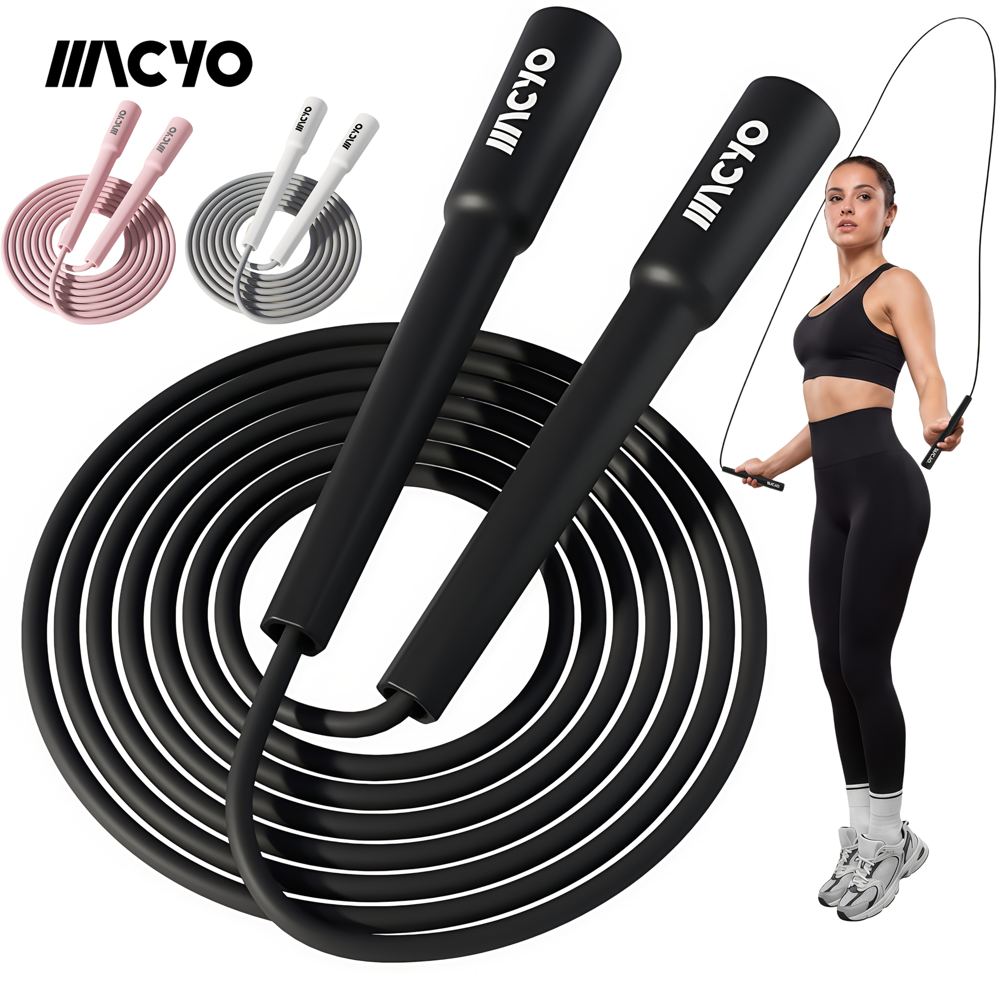
That is the full five minutes. If you have a jump rope, it slots perfectly into this block — two minutes of easy skipping replaces two of the moves above. A tangle-free speed jump rope turns any hallway into a cardio station, and jumping rope is one of the most time-efficient cardio tools that exists.
Block 3: Core (3 Minutes)
1. Forearm Plank (40/20). Elbows under shoulders, body one straight line from head to heels, pelvis tucked slightly. Breathe steadily behind a moderate brace. Drop to your knees the moment your lower back takes over.
2. Dead Bug (40/20). On your back, arms to the ceiling, knees at 90 degrees. Extend opposite arm and leg slowly while keeping your lower back pressed into the floor. Alternate sides, two counts out, two counts back.
3. Glute Bridge Hold (40 seconds). On your back, feet flat, lift your hips and hold the top position, squeezing your glutes. This counts as core work — your trunk stabilizes the whole hold — and it is a calm, controlled finish.
Express Cool-Down (3 Minutes)
- Standing quad stretch, 30 seconds per side (hold a wall)
- Standing figure-four hip stretch, 30 seconds per side (rest one ankle on the opposite knee, sit back slightly)
- Overhead triceps and shoulder stretch, 30 seconds per side
- Slow deep breathing in a comfortable standing position, 30 seconds: inhale for four counts, exhale for six
If you are running the Express timing option, do one stretch per muscle group for 15 seconds each and call it done.
Making It Fit Your Schedule
The honest secret of busy-woman fitness is not better workouts — it is scheduled workouts. A few tactics that work:
- Anchor it. Attach the session to something that already happens: right after the morning coffee, before the shower, while dinner simmers. Anchored habits survive; "sometime today" does not.
- Prep once. Lay out your mat and timer the night before. Removing setup friction removes the main excuse.
- Track streaks, not perfection. Three sessions a week is the target. A 1–2 streak week is maintenance, not failure.
- Use the express option freely. A shorter session you actually do beats the full one you skip.
Wondering how much training is actually enough? Our guide on how often women should work out breaks down sensible weekly minimums — and a sample women's workout schedule shows how twenty-minute sessions slot into a full week.
Common Mistakes in Short Workouts
- Skipping the warm-up to "save time." Three minutes of warm-up is part of the twenty, not on top of it. Cold starts cause sloppy form and sore joints.
- Going too hard in week one. Twenty minutes at full intensity, three days straight, is a recipe for week-two burnout. Start at 70 percent effort and build.
- Resting with your phone. Interval training only works if the rest stays short. Set the timer and move.
- Doing cardio but never strength. The strength block is not optional garnish — muscle is what keeps your metabolism, bones, and posture in good shape as the years pass.
- All-or-nothing thinking. A half-done session still counts. So does walking when the workout doesn't happen.
Safety Notes
- Stop for sharp pain, dizziness, or chest discomfort. Effort and sweat are normal; pain is a stop signal.
- Clear a non-slip space with room to move in every direction. Keep water within reach.
- If you are pregnant, postpartum, or managing a heart condition, injury, or other health concern, get your provider's go-ahead before doing interval-style sessions.
- Scale every move down before you scale it up — especially in week one.
FAQ
Q: Is 20 minutes really enough exercise?
For general fitness, yes — especially done 3–4 times per week. Research and practice both show that short, consistent sessions build real strength and cardiovascular fitness. What twenty minutes cannot do is everything at once; it covers the essentials well, which is exactly what busy schedules need.
Q: Can I do this workout every day?
Two to four times per week is the sweet spot. Daily training at this intensity leaves little recovery room, and the session works best when you arrive fresh. On off days, walk — it is the most underrated recovery tool there is.
Q: What if I only have 10 minutes?
Run the warm-up (2 minutes), then one round of the strength block and one round of the core block. Ten focused minutes still trains the most important muscles. Consistency of showing up matters more than any single session's length.
Q: Do I need dumbbells for the strength block?
Not to start. Bodyweight squats and push-ups are genuinely challenging for most beginners. Add light dumbbells after 3–4 weeks when the bodyweight versions feel easy — progression keeps the stimulus working.
Q: Will this help me lose weight?
Exercise supports weight management, but no workout overrides nutrition, sleep, and stress on its own — and results vary widely between women. Think of this session as one strong pillar (fitness, strength, energy, mood) rather than a weight-loss guarantee. Anyone promising otherwise is selling something.
Q: When should I make the workout harder?
When you can finish all three blocks at the standard timing and still hold a conversation at the end. Then add a round to the strength block, shorten rests to 15 seconds, or add light dumbbells. Progress one variable at a time.
Conclusion
Busy does not have to mean untrained. Three blocks, twenty minutes, three times a week — strength, cardio, and core in one repeatable session that fits a real woman's calendar. Schedule it like an appointment, start at 70 percent, and let consistency do the heavy lifting. The best workout plan is the one that survives your busiest weeks, and this one was built for exactly that.